Driving a Jeep can be exciting, but many owners feel confused by the different drive modes on their dashboard. One term you may see is 2H, especially in four-wheel-drive (4WD) or all-wheel-drive (AWD) models. If you want to understand what 2H means in a Jeep, how it works, and when to use it, this article will help. Whether you’re new to Jeeps or just want to use your vehicle better, you’ll find clear answers and practical tips here.
Understanding 2h In A Jeep
When you see 2H on your Jeep’s selector, it stands for two-wheel drive, high range. This means your Jeep sends power only to two wheels—usually the rear wheels—and uses the “high” gear ratio. In high range, the vehicle operates at normal speeds, perfect for everyday driving.
2H is the default mode for most roads and conditions. It’s designed for dry, paved surfaces where you need regular traction. Using 2H helps your Jeep drive smoothly, saves fuel, and reduces wear on the drivetrain.
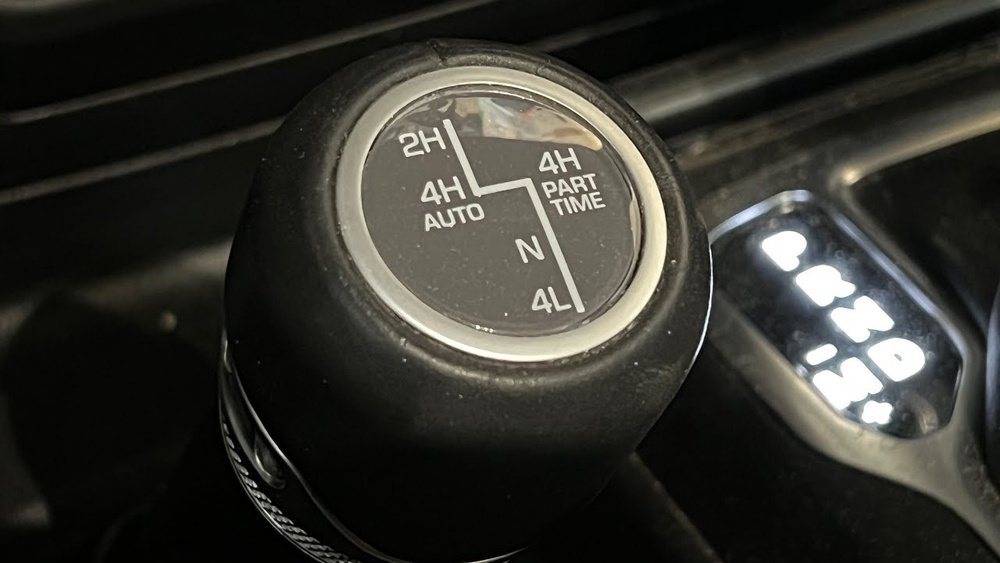
How Does 2h Work?
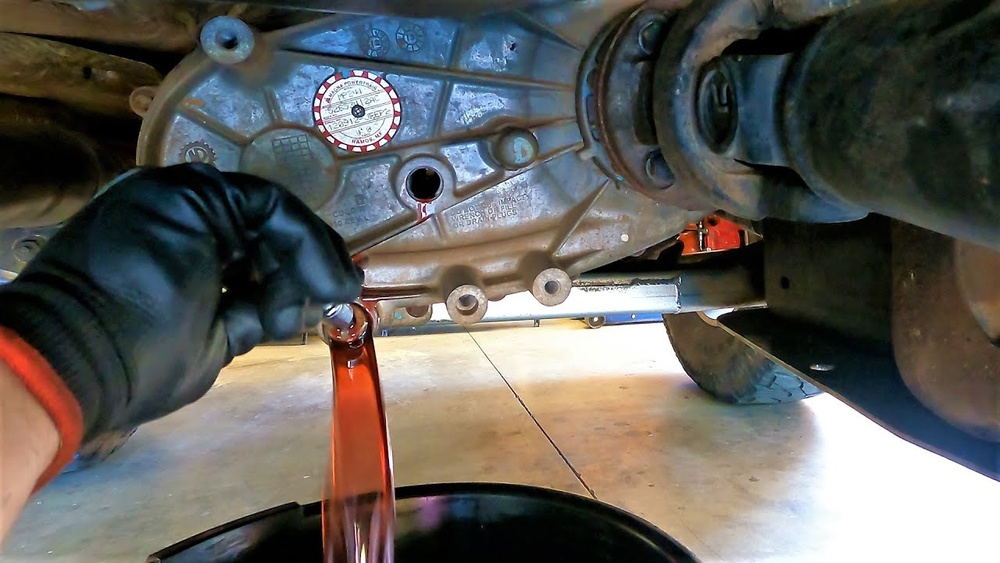
In 2H mode, the transfer case directs engine power only to the rear axle. The front wheels spin freely, not powered by the engine. This setup makes your Jeep handle like a regular car—easy and efficient.
Here’s a simple breakdown of Jeep drive modes:
| Mode | Wheels Powered | Best For |
|---|---|---|
| 2H | Rear wheels | Dry pavement, city driving |
| 4H | All four wheels | Wet, snowy, or loose terrain |
| 4L | All four wheels (low range) | Off-road, steep hills, mud |
Why 2h Matters For Jeep Owners
Choosing the right mode is important for safety, fuel economy, and performance. 2H is ideal for situations where you don’t need extra traction. Many Jeep drivers accidentally leave their vehicle in 4H or 4L, which wastes fuel and increases tire wear.
2H is especially important because:
- It improves fuel efficiency. Using only two wheels reduces the load on the engine.
- It lowers maintenance costs. Less stress on the drivetrain means fewer repairs.
- It provides smoother handling. On regular roads, two-wheel drive feels more stable.
Real-world Example
Imagine you’re driving your Jeep Wrangler on a sunny highway. If you use 2H, your Jeep gets better gas mileage and handles like a sedan. Switching to 4H for no reason can make steering feel heavier and burn extra fuel.

When Should You Use 2h?
The best time to use 2H is when the road is clear and dry. It’s the standard setting for city and highway driving. If you switch to 4H or 4L on dry pavement, you might hear tire noise or notice jerky handling.
Common situations for 2H:
- Daily commuting: Going to work or school on paved roads.
- Long highway trips: Smooth, straight driving for hours.
- Urban errands: Grocery shopping, dropping kids at school.
Jeep owners often forget to switch back to 2H after off-road adventures. This is a mistake—always return to 2H when you’re back on normal roads.
How To Switch To 2h Safely
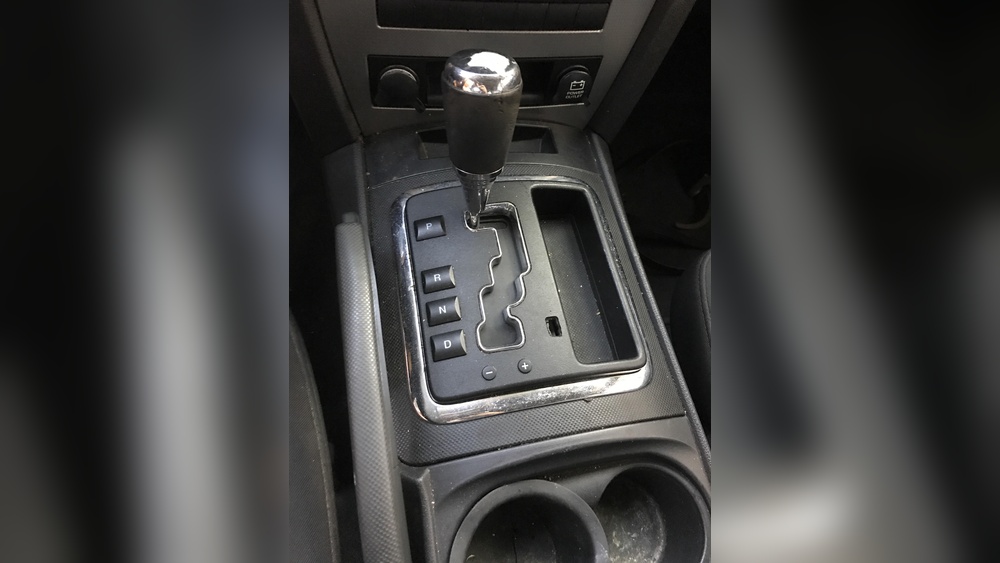
Switching modes is easy, but there are a few things to remember. Most modern Jeeps have a selector lever or knob to change between 2H, 4H, and 4L.
Here’s a simple guide:
- Make sure your Jeep is moving at a low speed or stopped.
- Shift the selector to 2H.
- Wait for the indicator light to confirm the change.
Some older Jeeps require you to stop completely before shifting. Always check your owner’s manual for details.
Comparison: 2h Vs. 4h And 4l
To help you decide which mode to use, here’s a quick comparison:
| Feature | 2H | 4H | 4L |
|---|---|---|---|
| Fuel Economy | Best | Moderate | Poor |
| Handling | Smooth | Heavy | Very heavy |
| Traction | Normal | High | Maximum |
| Road Type | Paved, dry | Wet, gravel | Rocks, mud |

Common Mistakes With 2h
Many Jeep owners make errors with drive modes. Here are some mistakes to avoid:
- Leaving the Jeep in 4H or 4L on dry roads. This causes extra wear and hurts fuel economy.
- Forgetting to switch back to 2H after off-roading.
- Using 2H in slippery conditions. If roads are icy, switch to 4H for safety.
You can also damage the transfer case if you switch modes at high speed. Always change drive modes as recommended.
Non-obvious Insights About 2h
Most beginners do not realize these points:
- 2H reduces tire wear. Four-wheel drive can make tires scrub against the road, wearing them out faster.
- 2H protects the drivetrain. Using four-wheel drive on dry pavement puts stress on gears and joints.
Experienced Jeep owners check their drive mode often, especially after changing terrain. It’s a small habit that saves money and keeps your Jeep running well.
Is 2h Available On All Jeeps?
Not every Jeep has a 2H mode. Some newer models, especially those with full-time AWD, may not have a separate 2H setting. If you drive a Jeep Grand Cherokee or Compass, check your manual. Older Wrangler and Gladiator models almost always have 2H.
For more details about Jeep drive systems, visit Wikipedia.
Frequently Asked Questions
What Does 2h Mean On My Jeep Dashboard?
2H stands for two-wheel drive, high range. It means your Jeep is sending power only to the rear wheels, using normal gear ratios for everyday driving.
Can I Drive In 2h During Rain Or Snow?
It’s better to use 4H in slippery conditions. 2H is best for dry pavement. Using 2H in rain or snow may reduce traction and control.
Will 2h Save Me Gas Compared To 4h?
Yes. 2H uses less fuel because only two wheels are powered. Four-wheel drive modes use more energy and make the engine work harder.
How Do I Switch From 4h To 2h?
Slow down or stop your Jeep. Use the selector lever or knob to shift into 2H. Wait for the dashboard light to confirm the change.
What Happens If I Use 2h Off-road?
Your Jeep may lose grip, especially on mud or rocks. Always switch to 4H or 4L for off-road driving to get better traction and control.
Choosing the right drive mode is simple but important. 2H is your Jeep’s best friend for everyday driving, helping you save fuel and keep your vehicle in good shape. Next time you see the selector, remember what 2H means—and use it wisely.