Getting paint on your tires can happen easily—maybe you brushed against a fresh-painted curb, or overspray hit your wheels during a home project. While paint on tires isn’t dangerous, it looks messy and can make your car appear neglected. Many people worry that paint will damage rubber, or that removal will be difficult.
In reality, you can safely remove paint from tires with the right methods and materials. This guide explains step-by-step how to clean paint off tires, the products to use, and what mistakes to avoid.
Why Paint Sticks To Tires
Tire rubber is porous, meaning paint can seep into small holes and grooves. Paint sticks even better if the tire is dirty or oily, because it bonds to grime. Fresh paint is easier to remove, but once it dries and cures, it can become tough and stubborn.
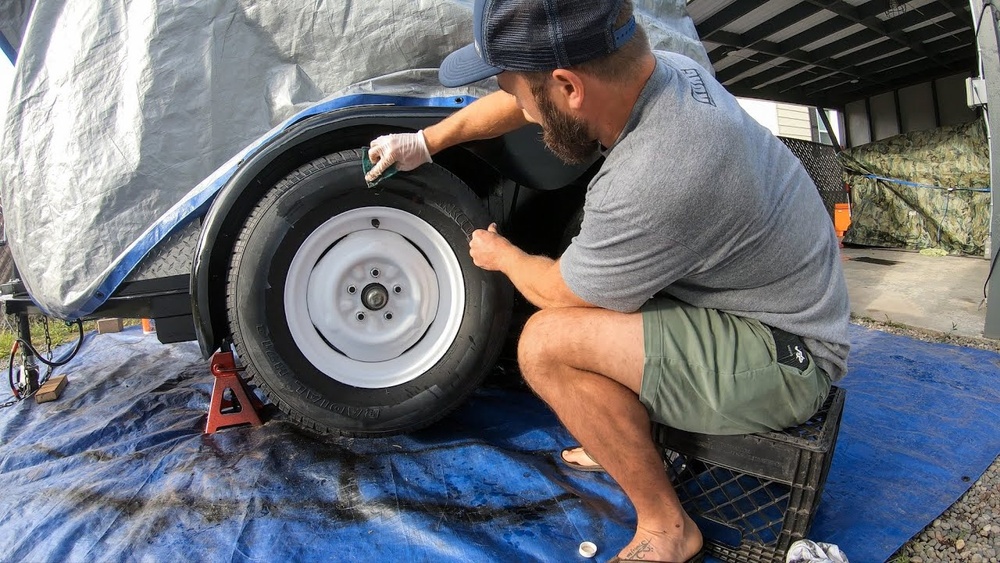
The type of paint matters. Acrylic paint and latex paint are common on roads and curbs. They usually come off more easily than enamel or spray paint. Some paint brands claim to be “permanent,” but few are truly resistant to removal from rubber.
Safe Ways To Remove Paint From Tires
You don’t need expensive tools or harsh chemicals to remove paint. Below are the most effective ways, with tips for each:
- Soap and Water
- Works best for fresh, wet paint.
- Use a brush with stiff bristles and a strong detergent.
- Scrub gently in circular motions.
- Rinse thoroughly.
- Repeat if needed.
- Rubbing Alcohol
- Effective for small spots.
- Apply alcohol to a cloth and rub the paint.
- Test first to ensure the alcohol doesn’t dry out your tire.
- Not ideal for thick paint layers.
- Acetone or Nail Polish Remover
- Useful for stubborn paint.
- Apply a small amount to a rag.
- Gently rub the affected area.
- Avoid excessive use, as acetone can dry rubber.
- Wash the tire after use.
- Commercial Tire Cleaner
- Designed for rubber, safe for frequent use.
- Follow instructions carefully.
- Some products have solvents to break down paint.
- Wire Brush or Scraper
- Use only for thick, dried paint.
- Be careful not to damage the tire’s surface.
- Always test on a small area first.
- Pressure Washer
- Suitable for large areas.
- Use a wide spray nozzle to avoid cutting the rubber.
- Combine with soap for better results.
Here’s a comparison of common paint removal methods:
| Method | Effectiveness | Safety for Tires | Cost |
|---|---|---|---|
| Soap & Water | Low to Medium | High | Low |
| Rubbing Alcohol | Medium | Medium | Low |
| Acetone | High | Medium | Low |
| Tire Cleaner | High | High | Medium |
| Wire Brush | Medium | Low | Low |
| Pressure Washer | Medium | Medium | Medium |

Step-by-step Guide: Removing Paint From Tires
Follow these steps for best results:
- Assess the Paint
- Check if the paint is wet or dry.
- Identify the paint type (water-based, oil-based, spray).
- Gather Materials
- Bucket of water
- Detergent
- Stiff brush
- Cloth or sponge
- Rubbing alcohol or acetone (optional)
- Tire cleaner (optional)
- Gloves
- Clean the Tire First
- Remove dirt and debris.
- Use soap and water.
- Test Removal Method
- Always test on a small spot to check for damage.
- Apply Chosen Method
- For fresh paint: Start with soap and water.
- For dried paint: Use alcohol, acetone, or tire cleaner.
- Scrub Gently
- Avoid scrubbing too hard, which can harm the tire.
- Rinse Well
- Remove all residue.
- Dry with a towel.
- Inspect
- Look for remaining paint.
- Repeat steps if needed.
Here’s a table showing which methods to use based on paint type:
| Paint Type | Best Removal Method | Extra Precautions |
|---|---|---|
| Acrylic/Latex | Soap & Water, Tire Cleaner | None |
| Enamel | Acetone, Rubbing Alcohol | Test small area first |
| Spray Paint | Acetone, Wire Brush | Be gentle, avoid tire damage |
Common Mistakes To Avoid
Many beginners make mistakes that make things worse. Here are the most common ones:
- Using too much acetone: This can dry out rubber and cause cracking.
- Scrubbing aggressively: Damages tire surface and can reduce lifespan.
- Ignoring small paint spots: These can build up and become harder to remove later.
- Using household cleaners not made for tires: Some contain chemicals that break down rubber.
A less obvious tip: after removing paint, apply a tire conditioner. It restores moisture and keeps rubber flexible. Many people skip this, but it extends tire life and gives a clean finish.
Another insight: paint in tire grooves is hard to reach. Use an old toothbrush, not just a big brush, for these areas.

Protecting Tires After Paint Removal
Once you’ve removed the paint, it’s smart to protect your tires. Here are easy steps:
- Apply tire dressing: It creates a barrier and improves appearance.
- Avoid parking near fresh paint or construction zones.
- Check tires regularly for new paint spots.
- Wash your tires every month, not just when dirty.
For more details about tire care, see Tire Rack.
Frequently Asked Questions
How Long Does It Take To Remove Paint From Tires?
It usually takes 15 to 30 minutes per tire. Fresh paint comes off faster, while dried paint may take longer.
Will Acetone Damage My Tires?
Acetone can dry out rubber if used too much. Always use small amounts and rinse the tire well afterwards.
Can I Use A Pressure Washer To Remove Paint?
Yes, but use a wide spray nozzle and avoid high pressure directly on the tire. It helps remove loose paint but won’t work for thick, dried layers.
What’s The Safest Product For Regular Use?
Commercial tire cleaners are safest. They’re made for rubber and won’t cause harm if used as directed.
Is It Okay To Leave Paint On My Tires?
Paint won’t cause immediate damage, but it can hide cracks or wear. Removing paint makes it easier to inspect tire health.
Cleaning paint off tires is simple if you use the right method and avoid harsh chemicals. Always check the paint type and start with gentle cleaning. With patience and care, your tires will look clean and professional again.