If you’re seeing the Jeep P2110 code pop up on your dashboard, you know something’s not quite right with your ride. This code often points to issues with your vehicle’s throttle system, which can affect how smoothly your Jeep drives—or even put it into “limp mode,” limiting your power.
But don’t worry. Understanding what causes the P2110 code and how to fix it can save you time, money, and frustration. You’ll learn the key reasons behind this common problem and the simple steps you can take to get your Jeep running strong again.
Keep reading to take control of your Jeep’s performance and avoid unexpected breakdowns.
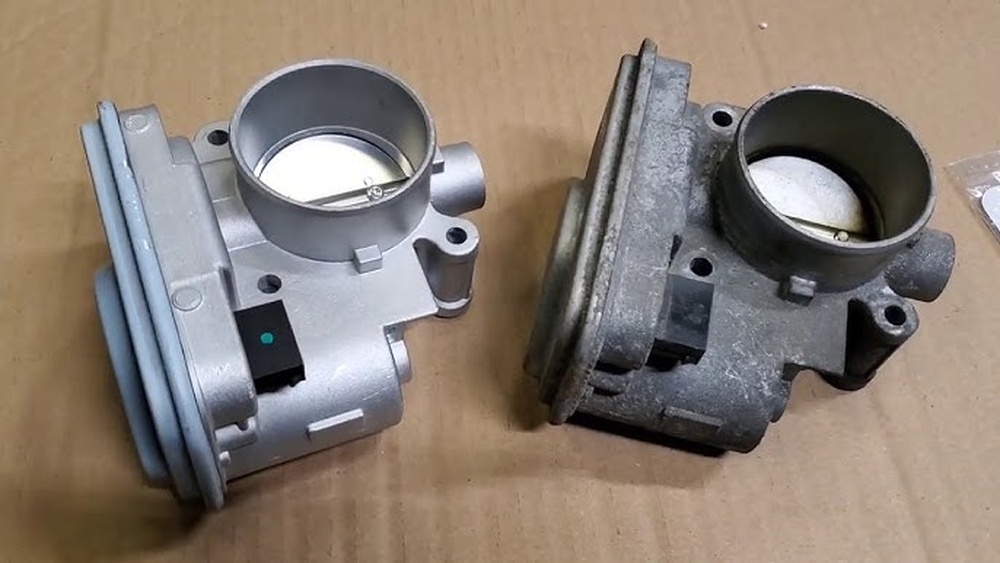
P2110 Code Explained
The P2110 code is a common trouble code for Jeep vehicles. It relates to the throttle system, which controls how much air enters the engine. This code signals a problem with the throttle actuator control system. Understanding this code helps with diagnosing and fixing the issue quickly.
The throttle actuator controls the throttle plate’s position electronically. When the system detects a problem, it sets the P2110 code and may limit engine power. This is a safety feature called “limp mode” to protect the engine.
What Triggers The P2110
The P2110 code triggers when the throttle actuator control system limits the throttle opening. This can happen due to several reasons. A faulty throttle body motor or internal gears can cause this issue. Carbon buildup inside the throttle body can stick the throttle plate. Wiring problems, such as damaged or corroded wires, often cause communication errors. Sensor failures in the throttle position sensor can also trigger this code.
Symptoms Of Throttle Body Issues
Common symptoms include reduced engine power and poor acceleration. The engine may hesitate or jerk during acceleration. A check engine light will often appear on the dashboard. The vehicle may enter limp mode, severely limiting RPM and throttle response. You might notice rough idling or stalling when the throttle body sticks. These symptoms often worsen over time without repair.
Common Causes
The throttle body plays a key role in your Jeep’s engine performance. It controls the airflow into the engine, affecting power and fuel efficiency. A proper throttle body inspection helps spot issues that trigger the P2110 code. Regular checks keep your Jeep running smoothly and prevent costly repairs.
Checking Wiring Harnesses
Start by inspecting the wiring harnesses connected to the throttle body. Look for loose connections, frayed wires, or corrosion. Damaged wiring can disrupt signals to the throttle position sensor. Ensure all plugs are secure and clean. Faulty wiring often causes erratic engine behavior and error codes.
Identifying Physical Damage
Examine the throttle body itself for cracks or broken parts. Check the throttle plate for proper movement. Physical damage can block airflow or cause the throttle to stick. Even small cracks can lead to engine performance problems. Replace or repair damaged components promptly to maintain function.
Spotting Carbon Deposits
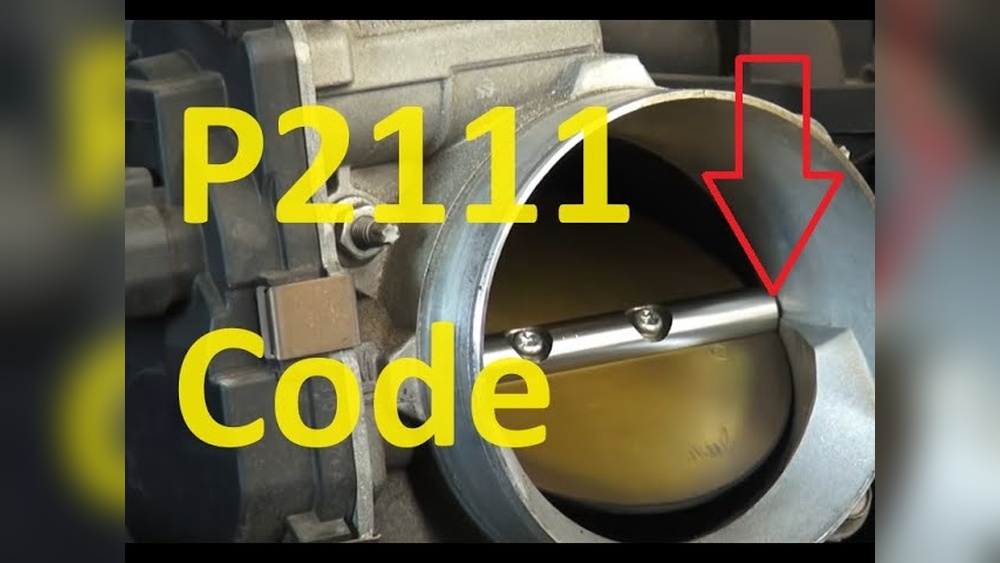
Carbon buildup inside the throttle body is common. It can cause the throttle plate to stick or close improperly. Use a flashlight to look for black deposits on the walls and throttle plate. Cleaning removes grime and restores smooth airflow. Regular cleaning helps avoid the P2110 code and improves engine response.
Throttle Body Inspection
Cleaning the throttle body is key to fixing a Jeep P2110 code. Dirt and carbon buildup can block the throttle plate. This causes poor engine performance and triggers error codes. A clean throttle body helps the engine breathe better and run smoother.
Regular cleaning prevents sticky throttle valves and improves fuel efficiency. It also reduces rough idling and hesitation. The process is simple and can be done at home with basic tools. Follow the steps carefully for the best results.
Tools And Materials Needed
- Throttle body cleaner spray
- Clean microfiber cloths
- Socket wrench set
- Flathead screwdriver
- Protective gloves
- Safety glasses
- Toothbrush or soft-bristled brush
Step-by-step Cleaning Process
- Disconnect the negative battery cable to avoid electrical issues.
- Locate the throttle body by following the air intake hose.
- Remove the air intake hose with a socket wrench and screwdriver.
- Spray throttle body cleaner on the inside of the throttle plate.
- Use a soft brush to gently scrub away dirt and carbon deposits.
- Wipe clean with a microfiber cloth until no residue remains.
- Open and close the throttle plate manually to clean all edges.
- Reattach the air intake hose securely.
- Reconnect the negative battery cable.
Precautions And Tips
- Always wear gloves and safety glasses to protect yourself.
- Do not spray cleaner on electrical parts or sensors.
- Use only throttle body cleaner, not carburetor or brake cleaner.
- Be gentle to avoid damaging the throttle plate or sensors.
- Allow the throttle body to dry fully before reassembly.
- After cleaning, start the engine and let it idle for a few minutes.
- If the check engine light stays on, consider a throttle body relearn.

Frequently Asked Questions
How Do You Fix A P2110 Code?
To fix a P2110 code, inspect and clean the throttle body. Check wiring for damage. Replace faulty sensors or throttle body if needed. Perform an electronic throttle control relearn using a diagnostic tool. Clear the code and test drive to confirm the issue is resolved.
How To Reset Throttle Position Sensor Jeep?
To reset the throttle position sensor on a Jeep, disconnect the battery for 15 minutes. Reconnect, then turn the ignition on without starting. Let the system recalibrate for a few minutes. Test drive to ensure proper throttle response and sensor reset.
How Serious Is A P2110 Code?
A P2110 code signals a serious throttle control issue. It limits engine power and may cause limp mode. Immediate diagnosis and repair prevent further damage.
Can You Do A Throttle Body Relearn Without A Scanner?
Yes, some vehicles allow throttle body relearn without a scanner by following specific key-on/off cycles. Check your owner’s manual for exact steps.
Conclusion
The Jeep P2110 code signals a throttle control problem to watch. Clean the throttle body and check wiring first. Relearn the throttle system after any repair or cleaning. Drive carefully if the engine enters limp mode. Address issues early to avoid bigger repairs later.
Stay informed to keep your Jeep running smoothly.