A slashed tire is a frustrating and sometimes dangerous problem. Whether it happens due to vandalism or an accident, a slashed tire leaves your car immobile and can cost you money and time. Many drivers wonder if a slashed tire can be fixed, or if replacement is the only option.
This article explains what to do when your tire is slashed, how to handle repairs, and what mistakes to avoid. You’ll also learn some practical tips to stay safe and prevent future problems.
Understanding Slashed Tires
A slashed tire has a deep cut or puncture, usually caused by a sharp object like a knife or metal shard. Unlike a simple nail puncture, a slash often damages both the outer rubber and sometimes the inner layers of the tire. This type of damage usually exposes the tire’s inner fabric or steel belts.
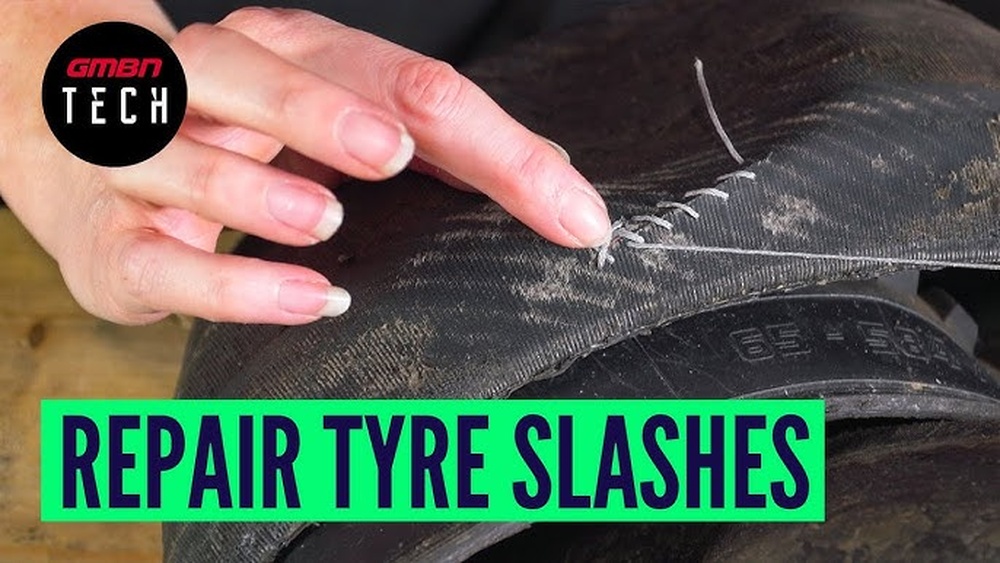
Here’s a quick comparison of common tire damage types:
| Damage Type | Repairable? | Usual Cause |
|---|---|---|
| Nail Puncture | Yes | Road debris |
| Sidewall Slash | No | Vandalism/sharp object |
| Tread Slash | Rarely | Accident/metal |
A sidewall slash is especially serious because the sidewall is thinner and supports the tire’s structure. Even a small sidewall cut can make the tire unsafe.
Can You Fix A Slashed Tire?
Many people hope to patch or plug a slashed tire, but the reality is tough. Tire repair is only safe if the damage is small and located on the tread area. A slash, especially on the sidewall, is almost always too severe. The Rubber Manufacturers Association recommends replacing tires with sidewall or large tread damage.
Here’s a simple breakdown:
| Location | Repair Options | Safety |
|---|---|---|
| Tread (small puncture) | Patch/plug | Safe |
| Tread (large slash) | Replace | Unsafe to repair |
| Sidewall | Replace | Unsafe to repair |
If your tire is slashed, especially on the sidewall, replacement is the only safe option. Trying to repair a slash can lead to a blowout, which is dangerous at any speed.

Steps To Handle A Slashed Tire
1. Inspect The Damage
Look closely at the tire. If you see a deep cut, exposed metal, or split sidewall, do not try to drive.
2. Remove The Tire
Use a jack and wrench to take off the damaged tire. Always follow safety instructions.
3. Check Your Spare Tire
Make sure your spare is in good condition. If you don’t have one, call for roadside assistance.
4. Install The Spare Tire
Put the spare tire on your car. Tighten the lug nuts properly.
5. Visit A Tire Shop
Drive to a tire shop or auto service center. Ask a professional to check all your tires.
6. Replace The Slashed Tire
Choose a tire that matches your car’s specifications. Most slashed tires cannot be fixed.
7. Dispose Of The Damaged Tire
Many shops recycle old tires. Do not try to reuse a slashed tire.
Mistakes To Avoid
- Do not use tire sealants on slashed tires. These products are made for small punctures, not deep cuts.
- Never drive on a slashed tire, even for a short distance. The tire could fail suddenly.
- Avoid patching sidewall damage. No patch can restore the strength of a slashed sidewall.
- Don’t ignore the slash. Even if the tire holds air, it is unsafe.
Costs And Replacement Tips
Replacing a slashed tire can cost between $50 and $300 depending on size and brand. If you have a high-performance car or SUV, prices are usually higher. Some insurance policies cover tire damage, but most do not cover vandalism.
When choosing a new tire, consider:
- Size: Must match your other tires.
- Brand: Look for reputable brands like Michelin or Goodyear.
- Warranty: Some tires offer road hazard protection.
Here’s a comparison of popular tire brands:
| Brand | Average Price | Warranty |
|---|---|---|
| Michelin | $120-$300 | 50,000 miles |
| Goodyear | $100-$250 | 45,000 miles |
| Firestone | $80-$200 | 40,000 miles |
Prevention And Safety Advice
While you can’t always prevent a slashed tire, some steps can reduce your risk:
- Park in well-lit areas. Vandals target dark, hidden places.
- Install security cameras if you park at home.
- Check tires regularly for cuts or damage.
- Use tire locks in areas with high theft rates.
An often-overlooked tip: avoid parking near construction sites or places with metal debris. Sharp objects can easily cause tire damage.

Frequently Asked Questions
What Should I Do First If I Find A Slashed Tire?
First, check if the tire is safe to touch. If it’s flat or visibly cut, do not drive. Remove the tire and install your spare or call for roadside help.
Can I Use A Tire Patch Kit For A Slashed Tire?
No. Tire patch kits are made for small punctures. A slash is too large and weakens the tire. Only replacement is safe.
Is It Possible To Drive A Short Distance On A Slashed Tire?
It is dangerous to drive on a slashed tire, even a few feet. The tire can blow out and cause an accident.
Are Slashed Tires Covered By Insurance?
Most standard policies do not cover tire vandalism. However, some comprehensive plans may help. Check with your provider or visit GEICO for details.
How Can I Prevent My Tires From Being Slashed?
Park in secure, well-lit areas. Install cameras and tire locks if you live in a high-risk area. Regular inspections can catch damage early.
Taking quick action and making smart choices can keep you safe and save money. Remember, a slashed tire almost always needs replacement. Don’t risk your safety with temporary fixes. If you want more details about tire safety and repairs, check the Consumer Reports Tire Buying Guide. Stay alert and keep your vehicle in top shape.