Many car owners are unsure about the tires on their vehicles. One common question is whether their tires are directional tires. Directional tires look similar to regular tires, but they have a specific purpose and must be installed in a certain direction for best performance. Knowing if your tires are directional can help you avoid mistakes, improve safety, and get the most life from your tires. This article explains how to identify directional tires, why it matters, and what you should do if you find out you have them.
What Are Directional Tires?
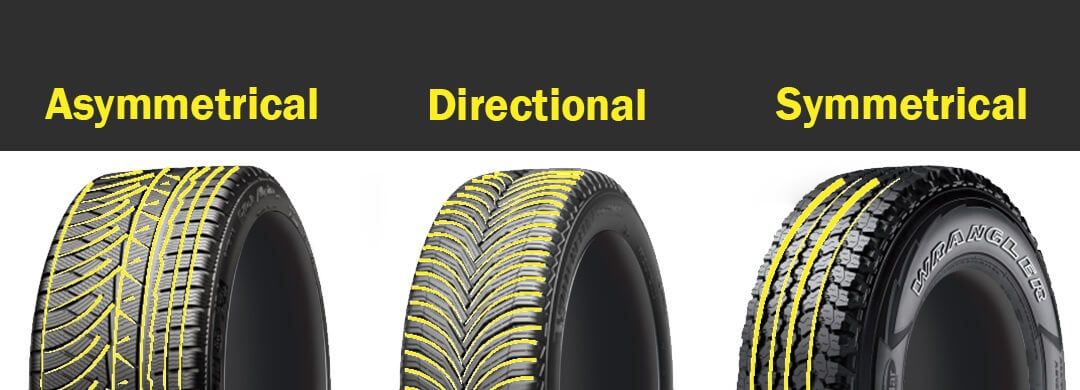
Directional tires are designed to roll only in one direction. The tread pattern helps move water away from the tire, giving better grip in wet conditions and reducing the chance of hydroplaning. These tires often have a “V” or arrow-shaped pattern. Drivers who want improved handling, especially in rain or snow, often choose directional tires.
Regular tires, also called non-directional tires, can be rotated in any direction because their tread pattern is symmetrical. Directional tires require special care during installation and rotation.
Key Features Of Directional Tires
- Arrow-shaped tread patterns that point in one direction.
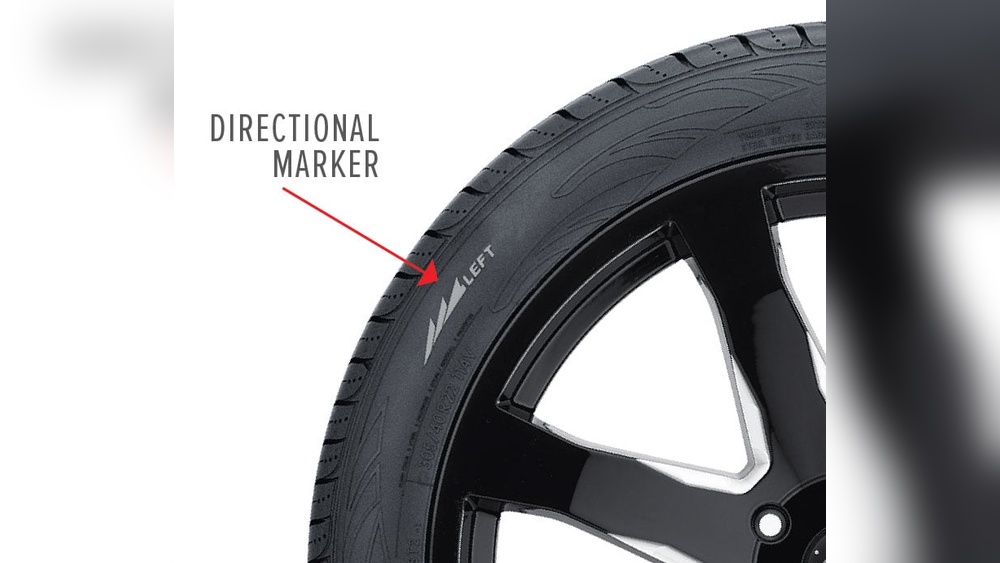
- Sidewall markings showing the correct rolling direction.
- Designed to improve wet traction and high-speed stability.
How To Identify Directional Tires
Knowing whether your tires are directional is simple if you know what to look for. Here are the main ways to check:
1. Check The Tread Pattern
Most directional tires have a V-shaped or arrow tread pattern. The grooves will point toward the center and away from the sides. If you stand in front of the tire, the pattern should look like an arrow aiming forward.
2. Look For Sidewall Markings
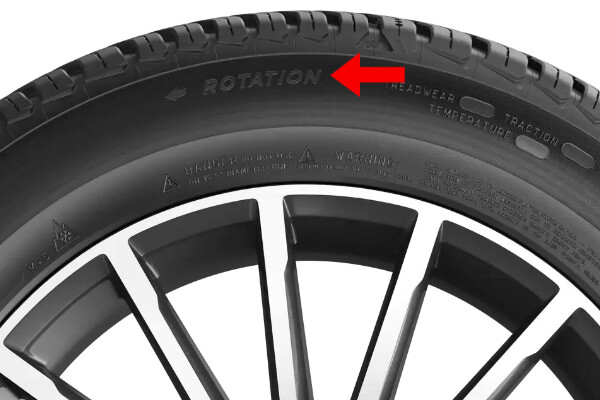
Directional tires have arrows or the word “Rotation” on the sidewall. This shows which way the tire should turn when the vehicle moves forward. The arrow points in the correct rolling direction. If you see these markings, your tire is directional.
3. Review Tire Specifications
Manufacturers often print details like “Directional” or “Unidirectional” on the tire. You can also check the tire model on the manufacturer’s website. Most performance and sports tires are directional, but some all-season tires are too.
4. Compare Tire Types
Here is a quick comparison of tire types:
| Type | Tread Pattern | Rotation Flexibility | Common Use |
|---|---|---|---|
| Directional | V-shaped, arrow | One direction only | Performance, wet weather |
| Non-directional | Symmetrical | Any direction | Everyday driving |
| Asymmetrical | Different patterns | Inside/outside specific | Sports, all-season |
Why Directional Tires Matter
Directional tires are not just a style choice. They affect performance, safety, and maintenance. Installing them incorrectly can reduce traction and make your vehicle unsafe in wet conditions.
Performance Advantages
Directional tires push water away quickly. This reduces the risk of hydroplaning. In tests, directional tires can improve wet braking by 10-20% compared to non-directional tires. This means shorter stopping distances and safer driving.
Rotation Limitations
You cannot rotate directional tires in every pattern. The most common method is front-to-back rotation. If you swap tires side-to-side, the tread will face the wrong direction. This can reduce grip and cause uneven wear.
Here is a summary of tire rotation options:
| Tire Type | Rotation Pattern Allowed | Recommended Frequency |
|---|---|---|
| Directional | Front-to-back only | Every 5,000-7,000 miles |
| Non-directional | Front-to-back, side-to-side | Every 5,000-7,000 miles |
| Asymmetrical | Depends on tire design | Every 5,000-7,000 miles |
Common Mistakes With Directional Tires
Many drivers make errors when handling directional tires. Here are two mistakes you should avoid:
- Ignoring the arrow direction: Installing tires backwards reduces performance and can damage the tire.
- Wrong rotation pattern: Rotating side-to-side makes the tread face the wrong way, causing faster wear and less grip.
Another insight: If you switch directional tires from left to right, you must remount them so the tread faces forward. This process takes extra time and may require professional help.

Practical Examples
Let’s say you buy Goodyear Eagle F1 tires, which are directional. When you look at the sidewall, you see an arrow and the word “Rotation.” If you ignore these and mount the tires backwards, you’ll notice your car feels slippery in rain and the tread wears out faster.
Another example: If you rotate directional tires using the wrong pattern, you may hear more road noise and see uneven tread wear. This can cost you money because you’ll need new tires sooner.
How To Handle Directional Tires
If you discover your tires are directional, follow these steps:
- Check installation: Make sure the arrow faces forward when looking at the tire from the side.
- Rotate properly: Only swap front-to-back unless you remount the tires.
- Inspect regularly: Look for signs of uneven wear, which can indicate incorrect installation.
- Ask for help: If you are unsure, ask a mechanic or tire expert to check your tires.
It’s also wise to review your vehicle’s manual for recommended rotation patterns. Some cars have staggered tire sizes, which can make rotation more difficult.
Frequently Asked Questions
How Do Directional Tires Improve Safety?
Directional tires move water away from the tread quickly. This lowers the risk of hydroplaning and helps the tire keep contact with the road, especially in heavy rain.
Can I Rotate Directional Tires Side-to-side?
No. Directional tires must be rotated front-to-back only unless you remount them to keep the tread facing forward.
What Happens If I Mount Directional Tires Backwards?
If the tread faces the wrong way, you lose wet traction and may see faster, uneven wear. It can also increase road noise and reduce fuel efficiency.
Are Directional Tires Better Than Non-directional Tires?
Directional tires are better for wet conditions and high-speed driving, but non-directional tires offer easier rotation and often last longer. The best choice depends on your driving needs.
Where Can I Find More Information About Tire Types?
You can learn more about tire types and their benefits at Wikipedia.
Knowing if you have directional tires is important for safe driving and proper maintenance. By checking the tread pattern, sidewall markings, and following recommended rotation patterns, you can extend tire life and drive with confidence. If you’re unsure, always ask an expert.