If you drive a Jeep JK, you may have felt your steering wheel jerk or pull unexpectedly when hitting bumps. This is called bump steer, and it can make your Jeep unsafe or uncomfortable, especially off-road or after suspension upgrades. Many Jeep owners struggle to fix bump steer, but with the right knowledge and steps, you can solve this issue and enjoy stable driving again.
What Is Bump Steer?
Bump steer happens when your wheels change direction as the suspension moves up and down. Instead of following your steering input, the wheels turn themselves when you hit a bump, causing the Jeep to veer or wander. This is not just annoying—it can lead to loss of control.
The main causes are:
- Incorrect steering and suspension geometry
- Modified suspension height (lift kits)
- Damaged or worn steering parts
Bump steer is most common after lifting a Jeep JK or changing suspension components. If your Jeep feels twitchy or unpredictable, bump steer is likely the problem.
Signs Your Jeep Jk Has Bump Steer
Recognizing bump steer early helps prevent bigger issues. Look for these signs:
- Steering wheel jerks when hitting bumps or potholes.
- Jeep pulls left or right without turning the wheel.
- Unstable handling at higher speeds.
- Rapid tire wear on the front tires.
If you notice two or more of these, it’s time to check your suspension and steering setup.

Why Bump Steer Happens
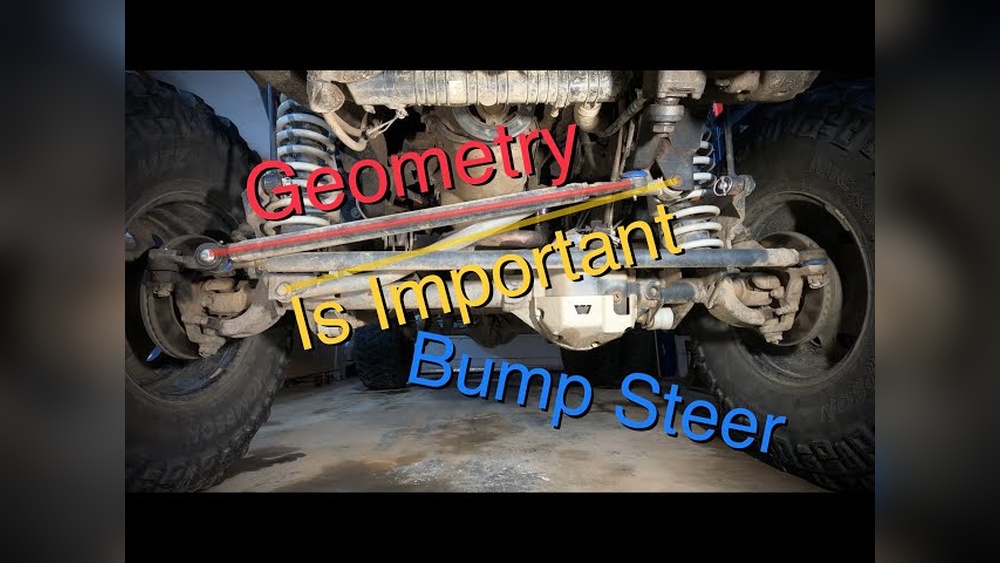
Let’s break down the mechanics. Your Jeep JK uses a solid front axle and a drag link/tie rod steering system. As the suspension moves, the angles of the steering linkages change. If these angles are wrong, the wheels turn themselves—causing bump steer.
The problem often starts when you install a lift kit. Lifting your Jeep changes the height of the axle and steering components, which alters their geometry. For example, if your track bar and drag link are not parallel, bump steer will occur.
Here’s a quick comparison of correct vs incorrect geometry:
| Geometry Setup | Bump Steer Likelihood | Handling Quality |
|---|---|---|
| Parallel Track Bar & Drag Link | Low | Stable |
| Non-parallel Track Bar & Drag Link | High | Unstable |
How To Fix Bump Steer On Jeep Jk
Solving bump steer involves adjusting your suspension and steering geometry. Here are the main steps:
1. Inspect Steering And Suspension Parts
Check for worn or damaged components:
- Tie rod ends: Replace if loose or worn.
- Drag link: Ensure it’s straight and tight.
- Track bar bushings: Replace if cracked or soft.
- Ball joints: Worn joints increase movement.
Fixing worn parts alone can reduce bump steer.
2. Check Track Bar And Drag Link Alignment
The most important step is making sure your track bar and drag link are as parallel as possible. If they are not, the wheels will turn themselves as the suspension moves.
Here’s a simple comparison:
| Lift Height | Parallel Geometry | Bump Steer Risk |
|---|---|---|
| Stock (0-2″) | Usually Yes | Low |
| Moderate (2-3.5″) | Sometimes | Medium |
| High (4″+) | No | High |
To fix alignment:
- Install a track bar relocation bracket (raises the track bar)
- Use a drag link flip kit (moves drag link above the knuckle)
- Adjust the drag link to match the track bar angle
3. Adjust Steering Stabilizer Placement
A steering stabilizer does not cure bump steer, but it can reduce symptoms. Place it in a neutral position so it does not restrict movement. If your stabilizer is bent or leaking, replace it.
4. Get A Professional Alignment
After making changes, get a four-wheel alignment. Proper toe and caster settings are critical for stable steering.
Caster angle helps your wheels return to center after turning. Too little caster increases bump steer. For a Jeep JK, aim for 4–6 degrees of positive caster.
5. Test Drive And Adjust
After each fix, test your Jeep on rough roads. Note any steering jerks or wandering. Adjust the track bar, drag link, or caster angle further if needed.
Extra Tips That Most Beginners Miss
- When installing a lift kit, always check if the kit includes a track bar bracket or drag link flip. Many cheap kits skip this, leading to bump steer.
- Use high-quality parts. Cheap or mismatched brackets can move under stress, changing geometry and making bump steer worse.
- If you have larger tires, tire pressure affects bump steer. Over-inflated tires transfer bumps more sharply to the steering.
Example: A Real Jeep Jk Fix
After lifting his Jeep JK 3. 5 inches, Mike noticed severe bump steer. His steering wheel jerked right on every pothole. He installed a track bar bracket and drag link flip kit, then got a professional alignment. The bump steer disappeared, and his Jeep handled smoothly again.

Comparing Common Solutions
Here’s a quick look at typical bump steer fixes and their effectiveness:
| Solution | Cost | Effectiveness |
|---|---|---|
| Track Bar Bracket | $40-$100 | High |
| Drag Link Flip Kit | $120-$200 | High |
| Steering Stabilizer | $60-$150 | Medium |
| Alignment | $70-$120 | High |
| Replace Worn Parts | $50-$300 | Medium |
For more details on Jeep suspension geometry, see Jeep Official Guide.
Frequently Asked Questions
What Causes Bump Steer After Lifting My Jeep Jk?
Bump steer is caused by changes in steering and suspension geometry. Lifting your Jeep alters the angles of the track bar and drag link, making them non-parallel and causing the wheels to turn themselves over bumps.
Can A Steering Stabilizer Fix Bump Steer?
No, a steering stabilizer only masks the symptoms. It does not correct the root cause, which is incorrect geometry. Fix the track bar and drag link alignment first.
How Much Caster Angle Should My Jeep Jk Have?
Aim for 4–6 degrees of positive caster. This helps the wheels return to center and keeps the Jeep stable after bumps.
Is Bump Steer Dangerous?
Yes. Bump steer can cause loss of control, especially at higher speeds or off-road. Fixing it improves safety and handling.
Do I Need Professional Help To Fix Bump Steer?
Some fixes, like installing brackets, are DIY-friendly. However, for alignment and geometry adjustments, professional help is recommended to ensure accuracy.
Fixing bump steer on your Jeep JK takes careful adjustment and quality parts. By understanding the root cause and following these steps, you can make your Jeep safer and more enjoyable to drive, whether on the highway or the trail.