If you own a Jeep, you know how important the interior lights are. They help you see inside the car at night, but sometimes, they stay on longer than you want. Maybe you left a door open, or the lights are stuck due to a switch problem.
If you don’t turn them off, your battery may drain. This guide will show you clear steps to turn off Jeep interior lights, covering different models and common situations. You’ll also learn tips that many owners miss, and see helpful comparisons to understand how Jeep lights work.
Understanding Jeep Interior Lights
Jeep interior lights include the dome light, map lights, and footwell lights. They turn on when you open a door, use a switch, or sometimes during remote unlock.
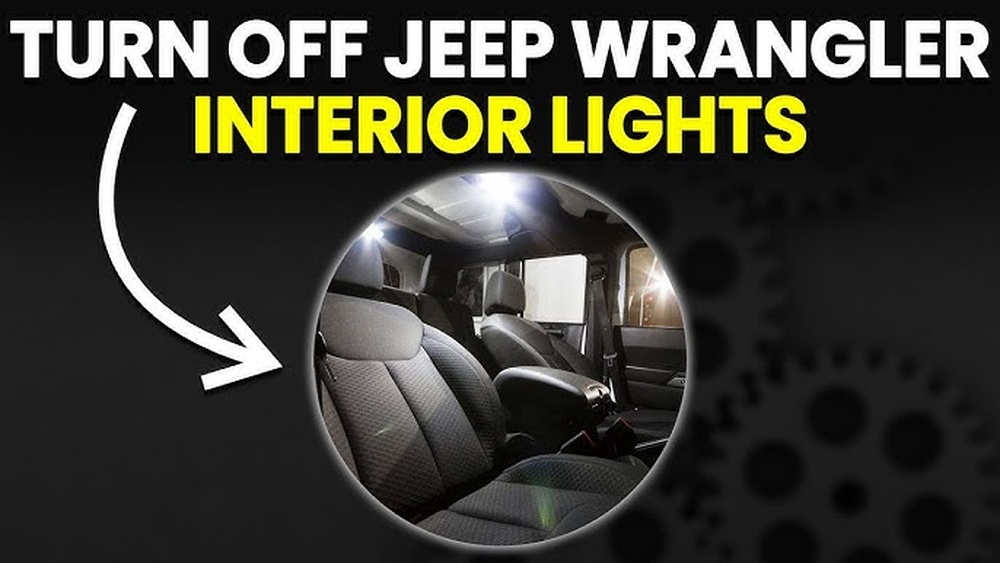
Jeep models like the Wrangler, Cherokee, and Grand Cherokee have different light controls. Some use manual switches, while newer models have electronic settings.
| Jeep Model | Main Interior Light Control | Year Range |
|---|---|---|
| Wrangler | Manual switch & door sensors | 1997–2023 |
| Cherokee | Dashboard dimmer wheel | 2014–2023 |
| Grand Cherokee | Electronic menu & switches | 2011–2023 |
Older Jeeps rely on simple switches, while modern ones may let you control lights from the dashboard or infotainment screen.
Steps To Turn Off Jeep Interior Lights
1. Check All Doors
The most common reason interior lights stay on is a door not fully closed. Even a slightly open door will trigger the lights. Close each door firmly, including the tailgate.
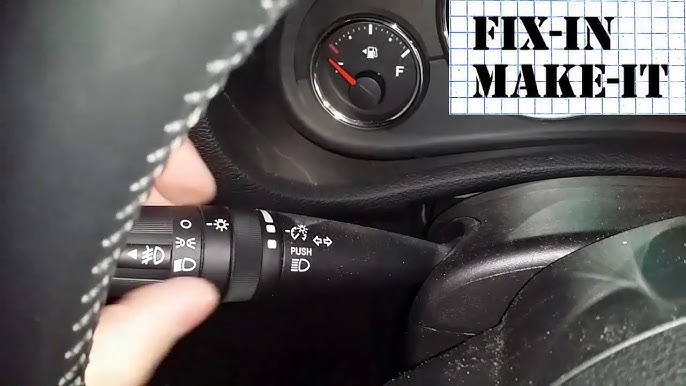
2. Use The Dashboard Dimmer Switch
Most Jeeps have a dimmer wheel or dial near the headlight controls. If you roll it up fully, it activates the dome light. Roll it down until you feel a click—this turns off the interior lights.
Example: In a 2018 Jeep Cherokee, rolling the dimmer wheel down disables all interior lights, even if doors are open.
3. Locate Manual Light Switches
Some models have a push-button near the dome light. Press it to turn the light off manually. If your Jeep has map lights, press each light to toggle.
4. Adjust Electronic Settings
Newer Jeeps let you control lights from the infotainment screen:
- Go to Settings or Vehicle Settings
- Find Interior Lights
- Select Auto Off or adjust brightness
This is especially true for Grand Cherokee and Gladiator models.
5. Check For Faulty Door Sensors
If all doors are closed and lights stay on, a faulty door sensor may be the cause. It sends a false signal that a door is open. Common signs are warning messages on the dashboard. You may need a mechanic to fix this, but as a temporary solution, use the dashboard dimmer switch to turn off lights.
6. Remove The Dome Light Fuse (last Resort)
If nothing else works, you can remove the dome light fuse from the fuse box. This is not ideal, but it stops the lights and prevents battery drain.
| Action | Effect | Difficulty |
|---|---|---|
| Close all doors | Turns lights off if sensors are working | Easy |
| Use dimmer switch | Disables all interior lights | Easy |
| Remove fuse | Disables dome light permanently | Medium |
Common Mistakes Jeep Owners Make
Many Jeep owners overlook simple things:
- Forgetting about the tailgate: The rear door can trigger interior lights.
- Leaving the dimmer switch rolled up: This keeps the lights on, even with doors closed.
- Not pressing manual switches: Some dome lights need a manual press to turn off.
Some also confuse the dimmer switch with headlight controls. Always check the dashboard carefully.
Practical Tips To Prevent Battery Drain
- Always check doors and tailgate before parking.
- Roll down the dimmer switch after using interior lights.
- If lights stay on after closing doors, check for dashboard warnings.
- Don’t leave lights on overnight—Jeep batteries can drain in as little as 4–6 hours.
Many newer Jeeps have an auto-off feature. If your Jeep does not, use the manual steps above.
Comparing Jeep Interior Light Control To Other Brands
Jeep’s light control system is simple but can confuse new owners. Here’s a quick comparison:
| Brand | Interior Light Control | Auto-Off Feature |
|---|---|---|
| Jeep | Dimmer switch, manual button | Some models |
| Toyota | Manual switch, door sensor | Most models |
| Ford | Dashboard menu, manual button | Most models |
Many Jeep owners are surprised that their vehicle doesn’t always turn off interior lights automatically. This is a non-obvious insight for beginners.
Extra Insights Jeep Owners Often Miss
- Interior lights can be linked to alarm systems: If you unlock your Jeep remotely, the lights may stay on longer. Locking again may turn them off.
- Footwell lights may stay on separately: Some models have separate controls for footwell lights, and these can stay on even after dome lights are off.
If you notice strange behavior, check your owner’s manual or visit the official Jeep site.
For more technical details and diagrams, you can visit Jeep’s official owner resources.
Turning off Jeep interior lights is simple once you know where to look. Whether you drive a Wrangler or Grand Cherokee, these steps will help you avoid battery problems and confusion.
Frequently Asked Questions
Why Do My Jeep Interior Lights Stay On Even When All Doors Are Closed?
This is usually caused by a faulty door sensor or the dimmer switch being rolled up. Check both, and if the problem continues, see a mechanic.
Can I Turn Off Interior Lights Automatically In My Jeep?
Some models have an auto-off feature, but many require you to use the dimmer switch or manual buttons. Check your owner’s manual for details.
Will Removing The Dome Light Fuse Cause Problems?
Removing the fuse stops the light, but it also disables other features like map lights. Only do this if you cannot turn off lights any other way.
How Long Does It Take For Interior Lights To Drain My Jeep Battery?
Leaving lights on can drain your battery in 4–6 hours. Always turn off interior lights before leaving your Jeep overnight.
Where Is The Fuse Box Located In My Jeep?
The fuse box is usually under the hood or beneath the dashboard. Check your owner’s manual for the exact location.
With these steps and tips, you can confidently control your Jeep’s interior lights and avoid common problems.