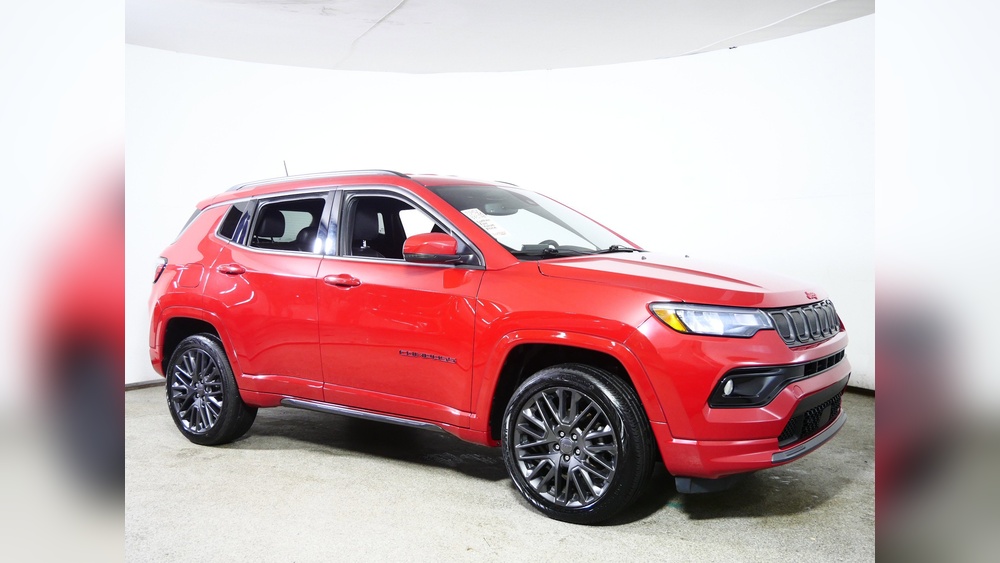
If you own a Jeep and recently saw the P1128 code pop up, you might be wondering what it means and how it affects your vehicle. This code signals that your Jeep’s engine control system isn’t operating as it should, which can lead to poor performance or increased fuel consumption.
Understanding what causes the P1128 code and how to fix it can save you time, money, and frustration. You’ll learn the common reasons behind this issue, simple steps to diagnose it, and effective solutions to get your Jeep running smoothly again.
Keep reading to take control of your Jeep’s health and avoid costly repairs down the road.
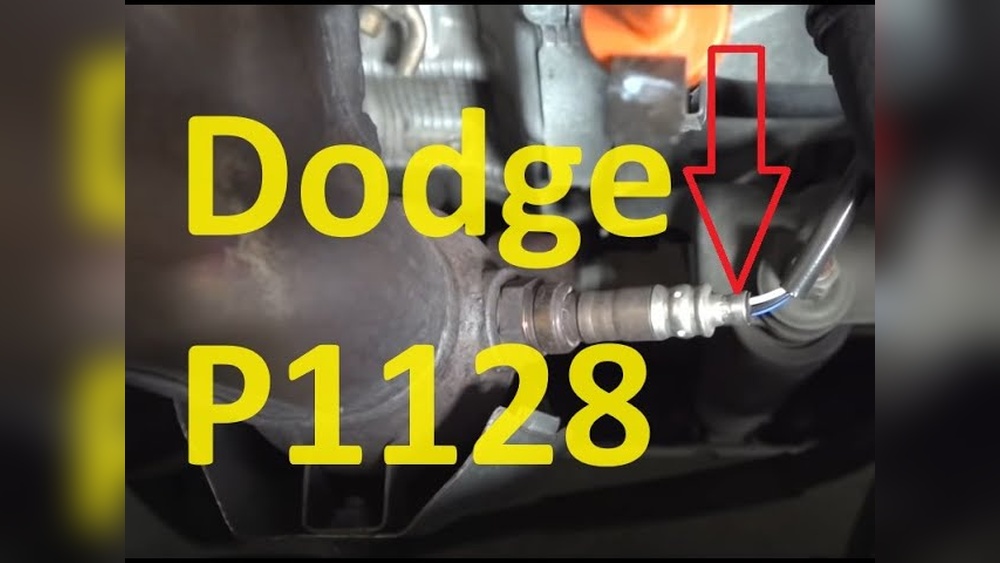

P1128 Code Causes
The P1128 code on a Jeep signals problems with the fuel management system. It means the engine stays in open loop longer than normal. This prevents the engine control module from using oxygen sensor data to adjust fuel delivery. Several factors can cause this issue. Identifying the exact cause helps fix the problem quickly and avoids further damage.
Upstream Oxygen Sensor Issues
The upstream oxygen sensor monitors exhaust gases before the catalytic converter. If it fails or sends wrong data, the engine stays in open loop. A faulty sensor can cause poor fuel economy and rough running. Dirt, wiring problems, or sensor aging often cause this failure.
Cooling System Problems
The engine needs to reach a certain temperature to enter closed loop. A stuck-open thermostat or broken coolant temperature sensor stops this. The engine control module then keeps the engine in open loop. This leads to higher emissions and reduced fuel efficiency.
Vacuum Leaks And Intake Faults
Vacuum leaks let extra air enter the engine. This unmetered air disrupts the air-fuel ratio. Intake manifold cracks or loose hoses cause these leaks. The engine control module cannot adjust fuel properly and stays in open loop.
Mass Air Flow Sensor Failures
The mass air flow sensor measures air entering the engine. A failing sensor sends wrong signals to the engine control module. This causes incorrect fuel delivery and keeps the engine in open loop. Dirt buildup or electrical issues often cause sensor failure.
Fuel System Blockages
Fuel system blockages reduce fuel flow to the engine. Clogged fuel pump strainers or filters cause this problem. Low fuel pressure makes the engine run lean and stay in open loop. Regular fuel system maintenance can prevent this issue.

Symptoms Of P1128
The P1128 code in Jeep vehicles signals a problem with the fuel management system. This issue affects how the engine runs. Recognizing the symptoms helps in early detection and repair. Symptoms often show in engine behavior and dashboard alerts. Below are the common signs of P1128 in your Jeep.
Poor Engine Performance
The engine may run rough or hesitate during acceleration. You might notice a loss of power while driving uphill or carrying heavy loads. Misfires or stalling can also happen unexpectedly. These issues point to improper fuel-air mixture control.
Increased Fuel Consumption
Your Jeep may use more fuel than usual. The engine runs less efficiently due to incorrect fuel data. This leads to higher fuel costs and more frequent stops at the pump. Keeping an eye on mileage can help spot this symptom early.
Check Engine Light Activation
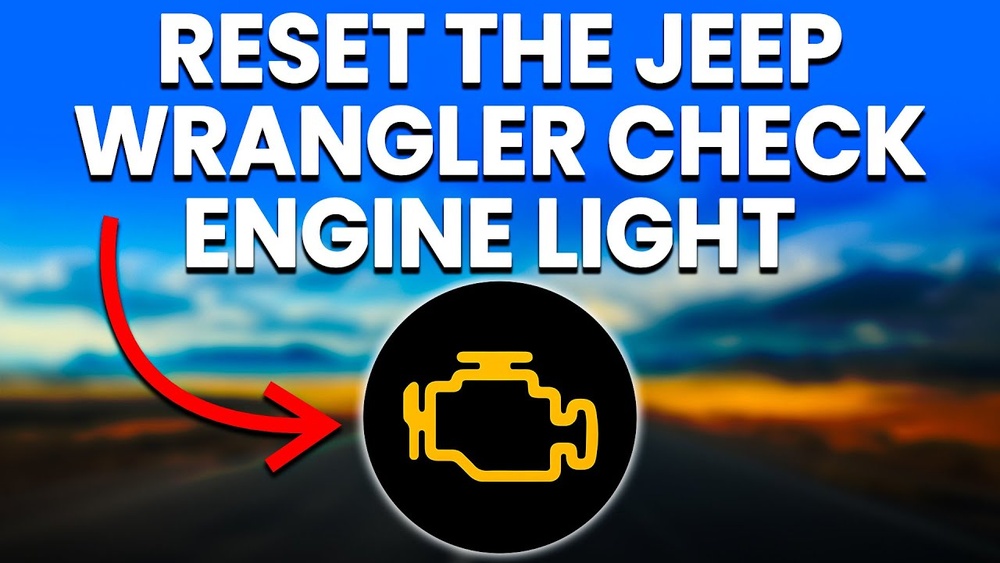
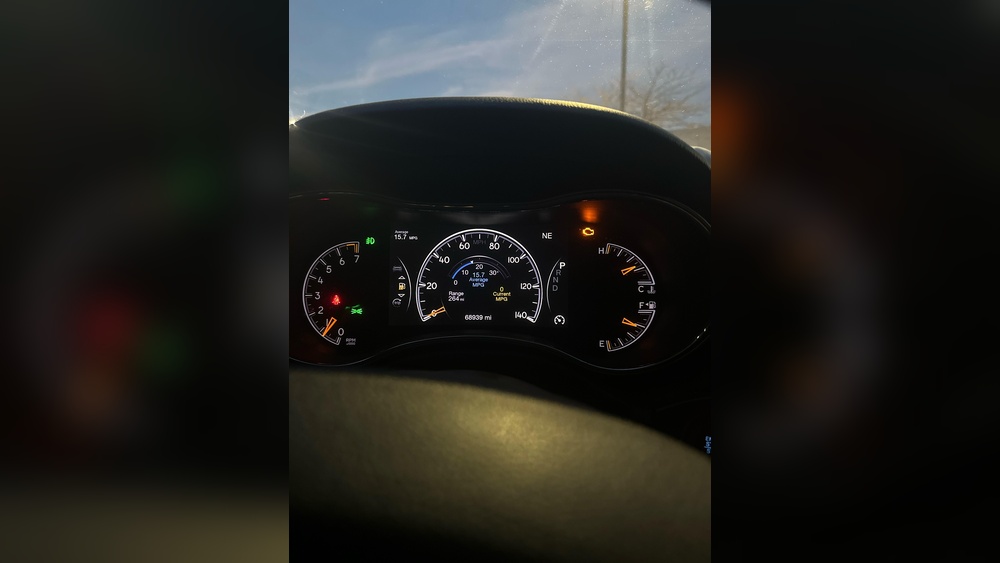
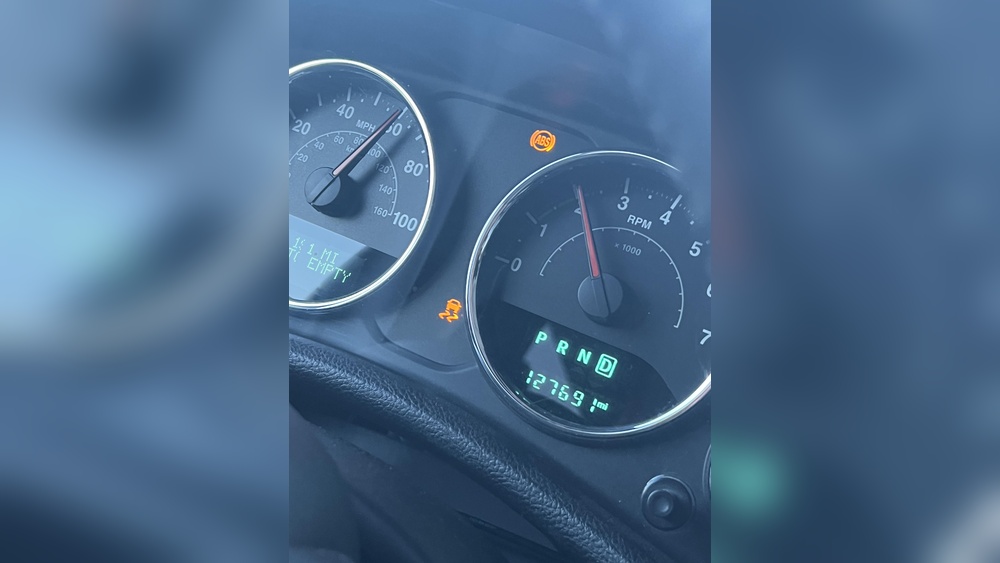
The check engine light will turn on or flash. This warning indicates the engine control unit detects the P1128 code. Ignoring this light can cause more serious damage. A scan tool can confirm the presence of the P1128 code.
Difficulty Reaching Operating Temperature
The engine may take longer to warm up to normal levels. A stuck thermostat or faulty coolant sensor can cause this. Cold engine operation results in poor fuel management. This symptom often leads to extended open-loop mode, triggering the P1128 code.
Diagnosing P1128
Diagnosing the P1128 code in a Jeep requires a step-by-step approach. This code signals that the engine control module (ECM) is stuck in open loop mode for too long. The engine fails to reach the proper temperature or sensor data is not accurate. Accurate diagnosis can save time and money. It also prevents further engine damage. The following methods help identify the root cause of P1128.
Using An Obd-ii Scanner
Start by connecting an OBD-II scanner to the Jeep’s diagnostic port. This tool reads trouble codes stored in the ECM. It confirms the presence of P1128 and any related codes. Live data helps track sensor readings like coolant temperature. A scanner also resets codes after repairs. This step ensures the issue is properly cleared.
Inspecting Oxygen Sensors
Oxygen sensors provide essential data for fuel control. A faulty upstream oxygen sensor often triggers P1128. Inspect the sensor and wiring for damage or corrosion. Test the sensor with a multimeter or scan tool to check its response. Replace the sensor if it shows slow or no response. Proper sensor function helps the engine enter closed loop mode.
Checking Cooling System Components
The engine must reach operating temperature for normal function. Inspect the thermostat to ensure it opens and closes correctly. A stuck-open thermostat lowers engine temperature. Check the Engine Coolant Temperature (ECT) sensor for accuracy. Replace faulty sensors or thermostats. Also, verify coolant levels and radiator condition. These checks prevent extended open loop operation.
Testing For Vacuum Leaks
Vacuum leaks disrupt air-fuel mixture and sensor readings. Inspect hoses and intake manifold for cracks or loose connections. Use a smoke machine or carb cleaner to detect leaks. Listen for hissing sounds around the intake area. Repair or replace damaged parts. Fixing leaks restores proper engine vacuum and sensor accuracy.
Evaluating Fuel System Health
The fuel system affects engine temperature and performance. Check the fuel pump and filter for clogs or damage. Test fuel pressure with a gauge to ensure proper delivery. Inspect fuel injectors for dirt or malfunction. Clean or replace parts as needed. A healthy fuel system supports the engine’s ability to enter closed loop mode.
Quick Fixes For P1128
The P1128 code in a Jeep points to problems with the fuel management system. This code means the engine runs in open loop mode too long. It affects fuel efficiency and performance. Quick fixes can help restore normal function and save repair costs.
Focus on common causes such as sensors, thermostats, and leaks. Each part plays a key role in how the engine controls fuel and air. Fixing or replacing these parts often clears the P1128 code fast.
Replacing Faulty Oxygen Sensors
Oxygen sensors measure exhaust gases to adjust fuel mix. A bad sensor sends wrong data to the engine computer. Replace the faulty sensor to restore accurate readings. This helps the engine switch to closed loop mode sooner.
Repairing Or Replacing Thermostats
The thermostat controls engine temperature. A stuck-open thermostat keeps the engine too cool. This stops the engine from reaching the right temperature for closed loop mode. Fix or replace the thermostat to fix this issue.
Sealing Vacuum Leaks
Vacuum leaks let extra air into the engine. This confuses the fuel system and delays closed loop mode. Check hoses and gaskets for cracks or holes. Seal leaks tightly to restore proper air-fuel balance.
Cleaning Or Replacing Maf Sensors
The Mass Air Flow sensor measures air entering the engine. Dirt or damage causes wrong air readings. Clean the sensor carefully or replace it if needed. This ensures correct fuel delivery and engine timing.
Clearing Fuel Pump Strainers
Fuel pump strainers catch dirt before fuel reaches the engine. A clogged strainer reduces fuel flow and causes the P1128 code. Remove and clean the strainer regularly. Replace it if heavily damaged to maintain fuel supply.
Preventive Maintenance Tips
Preventive maintenance keeps your Jeep running smoothly and avoids costly repairs. Regular care targets common issues linked to the P1128 code. This code often arises from sensor or fuel system problems. Simple, routine checks help maintain engine health and performance. Follow these easy steps to keep your Jeep in top shape.
Regular Sensor Inspections
Check sensors frequently for dirt, damage, or loose connections. Clean or replace faulty sensors to ensure accurate readings. Oxygen and coolant temperature sensors affect engine timing and fuel delivery. Faulty sensors can trigger the P1128 code. Early detection prevents engine problems and saves money.
Cooling System Flushes
Flush the cooling system every two years or 30,000 miles. Old coolant reduces heat transfer and can cause engine overheating. Overheating may stop the engine from reaching proper operating temperature. This affects closed-loop operation and triggers error codes. Fresh coolant protects the thermostat and sensors, improving engine efficiency.
Fuel System Cleaning
Clean the fuel system regularly to remove deposits and clogs. Dirty fuel injectors and filters reduce fuel flow and affect engine performance. A clogged fuel pump inlet strainer can cause lean fuel conditions. This triggers the P1128 code and causes rough idling or stalling. Use quality fuel and add cleaners as needed.
Routine Vacuum Hose Checks
Inspect vacuum hoses for cracks, leaks, or disconnections. Leaking hoses let extra air into the engine, causing incorrect air-fuel mixtures. This confuses the engine computer and triggers trouble codes. Replace damaged hoses immediately to maintain proper engine vacuum and performance.
When To Seek Professional Help
Knowing when to seek professional help for your Jeep’s P1128 code is key to avoiding bigger problems. Some issues are simple and can be fixed at home. Others need a trained mechanic’s tools and knowledge.
Ignoring serious signs can lead to costly repairs later. Watch for symptoms that don’t go away or become worse over time. These often show that the problem is deeper than a quick fix.
Persistent Engine Codes
If the P1128 code keeps coming back after you reset it, get help. This means the issue is not fixed and the engine computer still detects a problem. Persistent codes often indicate a fault that needs detailed diagnosis. Professionals can use advanced scanners to find the exact cause.
Complex Electrical Issues
The P1128 code can involve sensors and wiring that affect engine operation. Problems like broken wires, bad connectors, or faulty sensors require expert attention. Mechanics have the right tools to test electrical parts safely. DIY attempts can cause more damage or miss hidden faults.
Advanced Fuel System Repairs
Sometimes the P1128 code links to fuel system problems like a clogged pump or faulty injectors. Fixing these parts often needs special equipment and skills. Fuel system repairs can be risky without proper knowledge. A professional can clean, repair, or replace components to keep your Jeep running well.

Frequently Asked Questions
How Serious Is A P1128 Code Error?
A P1128 code indicates the engine stays in open-loop mode too long, causing poor fuel efficiency and emissions. It can lead to engine damage if ignored. Address it promptly to avoid performance issues and costly repairs.
Yes, P1128 can relate to the O2 sensor. A faulty oxygen sensor may cause the engine to stay in open-loop mode longer. This affects fuel management and emissions.
How To Fix P1128 Code?
Check for vacuum leaks, faulty oxygen sensors, or cooling system issues. Repair or replace damaged parts. Clear the code and test drive.
What Is The Code P1128?
Code P1128 means the engine control module detects the system stuck in open-loop mode too long. It often signals faulty sensors or cooling issues.
Conclusion
The P1128 code on your Jeep signals a problem with fuel or air flow. Fixing this issue helps your engine run better and saves fuel. Check sensors, hoses, and fuel parts for faults. Small leaks or dirty parts often cause this code.
Addressing the problem early avoids bigger engine troubles. Stay alert to signs like rough idling or poor power. Regular maintenance keeps your Jeep healthy and driving smoothly. Understanding P1128 helps you take control of repairs confidently.