Testing your car’s alternator is an important part of basic vehicle maintenance. The alternator keeps your battery charged and powers your car’s electrical systems. Many people use a voltmeter to check if the alternator works. But what if you don’t have a voltmeter?
Luckily, you can still check your alternator with simple tools and careful observation. This guide will show you practical ways to test your alternator without a voltmeter, so you can avoid getting stranded and save money on unnecessary repairs.
Why Alternator Health Matters
A failing alternator can cause strange electrical problems in your car. You might notice dim lights, trouble starting, or warning lights on the dashboard. If the alternator stops working, the battery will quickly die. This can leave you stuck on the side of the road. Regular checks help you spot problems early. Even without a voltmeter, you can look for clear signs that tell you if your alternator is working as it should.
Visual And Sound Inspection
Start by using your senses. Many alternator problems show visible or audible signs. Here’s what to check:
- Look for warning lights: Most cars have a battery-shaped warning light. If this light comes on while driving, it often means the alternator is not charging the battery.
- Listen for noises: A healthy alternator runs quietly. If you hear a grinding or squealing sound from the engine, the alternator bearings or belt may be worn.
- Inspect the belt: The alternator is driven by a rubber belt. If the belt is cracked, loose, or missing, the alternator cannot work.
- Check for loose connections: Wiggle the wires and connectors leading to the alternator. Loose or corroded wires can cause charging problems.
Many car owners overlook the belt and connections. However, these are frequent causes of alternator failure and are easy to fix yourself.
Headlight Brightness Test
Your headlights can help you test your alternator in a simple way.
- Start the car and leave the engine running.
- Turn on the headlights.
- Watch the headlights while someone presses the gas pedal lightly.
If the alternator is working, the headlights should get slightly brighter as you increase the engine speed. If the lights stay the same or get dimmer, the alternator may not be charging.
This test works because a healthy alternator gives more power as the engine runs faster. If you notice no change, or a big drop in brightness, the alternator could be weak or failing.
Battery Disconnect Test
This is a traditional test, but it has some risks. Only try it if you are comfortable working with car batteries and know the dangers.
- Start the car and let it idle.
- Open the hood and locate the battery.
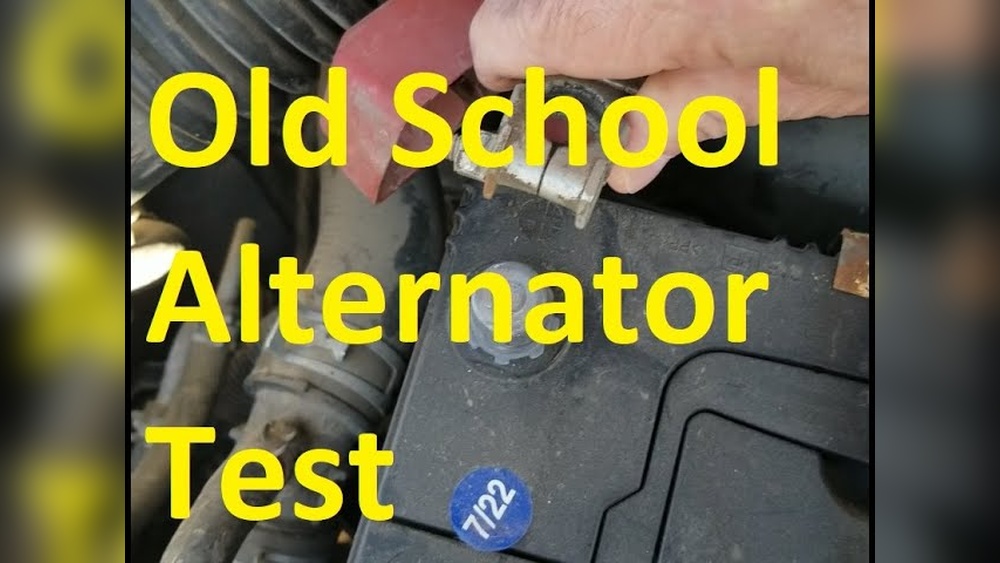
- Carefully remove the negative battery cable.
If the engine keeps running, your alternator is probably working. If the engine stalls, the alternator may not be charging the battery.
Warning: Modern cars have sensitive electronics. Removing the battery cable while the engine is running can damage these systems. Use this test only as a last resort, and never on cars built after the year 2000.

Interior Electronics Check
The alternator supplies power to your car’s electrical systems. You can test it by turning on devices that use power:
- Turn on the radio, headlights, and air conditioner at the same time.
- Listen to the sound of the engine. If the engine slows down or electronics start to flicker, the alternator may be weak.
You can also check the power windows. If they move very slowly or stop working, this could point to a charging problem.
Comparing Alternator Symptoms
You can compare typical alternator and battery symptoms to help identify the problem.
| Symptom | Likely Cause |
|---|---|
| Dim headlights at idle, brighten with RPM | Weak alternator |
| No power accessories work | Dead battery or alternator |
| Car dies shortly after jump-start | Bad alternator |
| Car won’t start after sitting overnight | Bad battery |
Understanding these differences helps you avoid replacing a good battery when the alternator is the true problem.
Common Mistakes When Checking An Alternator
Many people make the same errors when they try to test their alternator without a voltmeter:
- Ignoring the belt condition: A slipping or broken belt means the alternator cannot spin.
- Forgetting about loose wires: Poor connections can stop charging, even if the alternator is good.
- Overlooking electrical loads: Not testing with headlights or accessories can hide a weak alternator.
By checking these points, you can avoid false results and wasted time.
Additional Signs Of Alternator Problems
Some alternator issues show up in less obvious ways. For example, you might notice a burning smell from under the hood if the alternator is overheating. Flickering dashboard lights, or repeated dead batteries, can also point to alternator trouble.
Always trust your senses. Unusual smells, sounds, or sights often mean something is wrong.
Safe Next Steps
If you suspect your alternator is failing, drive to a repair shop as soon as you can. Most auto parts stores can test your alternator for free with proper tools. Replacing a bad alternator early can prevent bigger problems, like a dead battery or damaged electronics.
Quick Reference: Testing Methods And Safety
Here’s a summary of the safest and most effective methods to test an alternator without a voltmeter:
| Method | Safety | Accuracy |
|---|---|---|
| Visual/Sound Inspection | Very Safe | Moderate |
| Headlight Brightness | Very Safe | Moderate |
| Battery Disconnect | Risky (not for modern cars) | High |
| Electronics Load Test | Safe | Low |
Notice that the battery disconnect test is risky for cars with advanced electronics. Always choose the safest test for your vehicle.
When To See A Mechanic
If your tests show signs of alternator trouble, or if you are unsure, it’s best to visit a qualified mechanic. Alternator replacement is not always a DIY job, especially for modern vehicles with complex wiring. A mechanic can also check for related problems, like a bad battery or damaged wiring.
For more detailed information about car electrical systems, you can visit Wikipedia.
Frequently Asked Questions
How Can I Tell If My Alternator Or Battery Is Bad?
If your car dies while driving or soon after a jump-start, it’s usually the alternator. If it won’t start after sitting overnight, the battery is more likely at fault.
Is It Safe To Disconnect The Battery While The Engine Is Running?
On older cars, this can work. But on newer cars, disconnecting the battery can damage the computer systems. It’s safer to use other tests.
Can A Car Run With A Bad Alternator?
Only for a short time. The battery will eventually lose charge, and the car will stall.
What Causes Alternators To Fail?
Common reasons are worn belts, bad bearings, or old age. Loose wires and overheating can also lead to failure.
How Often Should I Check My Alternator?
It’s smart to check the alternator every six months, or if you notice strange electrical problems.
Testing your alternator without a voltmeter is possible, and often effective, if you use the right methods. Stay alert for warning signs, and always act fast if you suspect a problem. This way, you’ll keep your car reliable and avoid unexpected breakdowns.