If you drive a Jeep Wrangler, you probably enjoy both smooth highways and off-road trails. But you might not think much about the sway bar, a part that plays a big role in how your Jeep handles. Understanding how to use the sway bar can improve your driving experience, especially when you switch between city roads and rocky paths. In this guide, you’ll learn what the sway bar does, how to use it correctly, and tips to avoid common mistakes.
What Is A Sway Bar And Why Does It Matter?
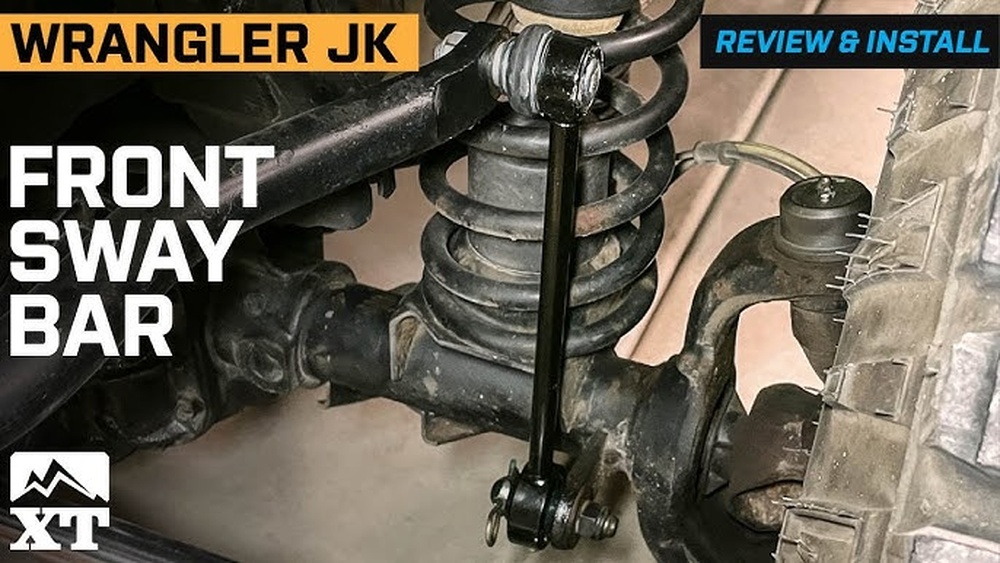
The sway bar, also called an anti-roll bar, is a steel rod that connects the left and right wheels of your Jeep’s suspension. Its job is simple: reduce body roll when you turn corners or drive over uneven ground. On regular roads, this helps keep your Jeep steady and safe.
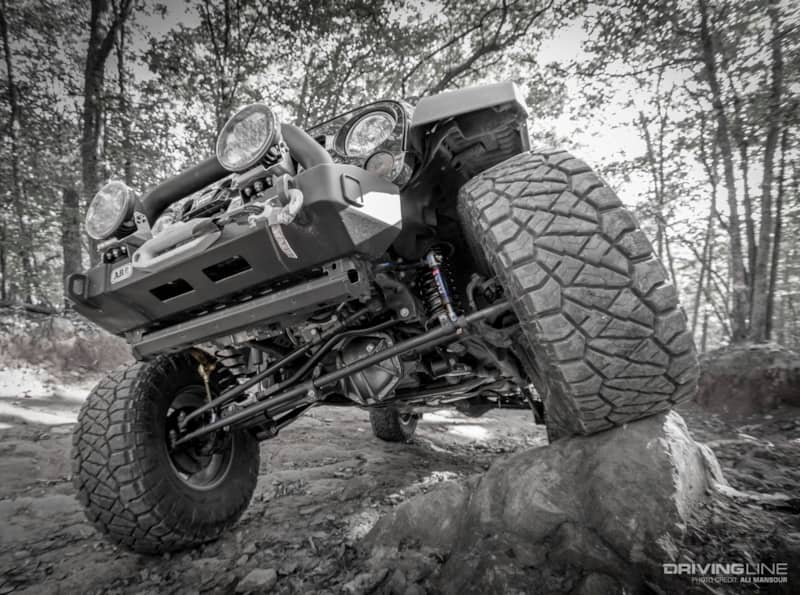
But off-road, the sway bar can actually limit your Jeep’s ability to flex. When you drive over rocks or deep ruts, you want each wheel to move up and down more freely. Disconnecting the sway bar allows for this extra movement, giving your tires better contact and improving traction.
Sway Bar In Action
Here’s a quick comparison of what happens with the sway bar connected or disconnected:
| Condition | Sway Bar Connected | Sway Bar Disconnected |
|---|---|---|
| On-road (city/highway) | Stable, less body roll | More sway, less control |
| Off-road (rocky/muddy) | Limited wheel movement | Maximum wheel flex |
How To Use The Sway Bar On Your Jeep Wrangler
Using the sway bar properly depends on your Wrangler model and where you drive. Some models (like the Rubicon) have electronic sway bar disconnect. Others require manual disconnection.
Step 1: Decide When To Disconnect
- Stay connected when driving on paved roads, highways, or at high speeds.
- Disconnect when you go off-road and need more wheel travel, like on rocks, deep mud, or uneven trails.
A common beginner mistake is forgetting to reconnect the sway bar before returning to regular roads. This can make your Jeep feel unstable.
Step 2: Disconnecting The Sway Bar
For Electronic Sway Bar (e.g., Rubicon Models)
- Stop the Jeep and shift to 4-LO (low range).
- Press the “Sway Bar” button on your dashboard.
- Wait for the indicator light to confirm disconnect. Now, your front wheels will move more independently.
For Manual Sway Bar
- Park the Jeep on flat ground.
- Put the transmission in Park and set the parking brake.
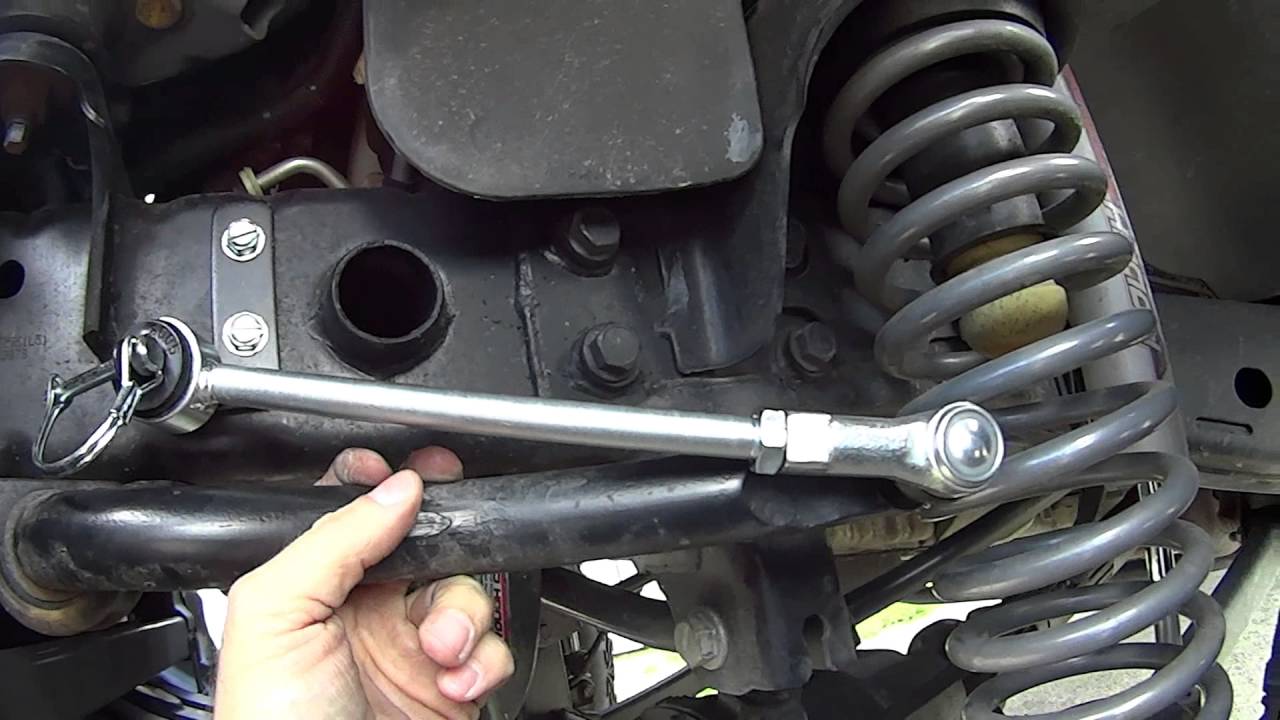
- Locate the sway bar links behind the front wheels.
- Use a wrench or quick-disconnect pins (if installed) to remove the sway bar links from the axle.
- Secure the links out of the way, so they don’t catch on anything.
Step 3: Reconnect Before Going Back On-road
- For electronic systems, press the button again—reconnection happens automatically.
- For manual, reattach the links before driving at higher speeds.
Many drivers forget this step, which can be dangerous.

Key Benefits And Limitations
Disconnecting the sway bar off-road gives you major advantages, but it’s not for every situation.
| Benefit | Limitation |
|---|---|
| More wheel articulation (flex) | Less stability on pavement |
| Better tire contact on rough terrain | Extra step to reconnect |
| Improved traction | Possible wear on parts if left disconnected on-road |
Sway Bar Links: Stock Vs Aftermarket
Most Jeep Wranglers come with factory sway bar links. These work fine for daily driving and light trails. If you do serious off-roading, you might consider aftermarket quick disconnects. These allow you to disconnect and reconnect the sway bar faster, often without tools.
Here’s a quick comparison:
| Type | Ease of Use | Best For |
|---|---|---|
| Stock Links | Slower, need tools | Daily drivers, light off-roaders |
| Quick Disconnects | Fast, tool-free | Frequent off-roaders |
| Electronic Disconnect | Push-button easy | Rubicon, higher trims |
Two Insights Most Jeep Owners Miss
- You don’t always need to disconnect both sway bars. Most off-roaders only disconnect the front sway bar. The rear is usually left connected for better stability. Disconnecting both can make your Jeep too unpredictable.
- Don’t rush reconnection. If your Jeep is flexed out on uneven ground, the holes in the links won’t line up. Move to flat ground to make reconnection easier and avoid damaging parts.
Sway Bar Maintenance
A noisy or stiff sway bar can ruin your ride. Every few months:
- Check for worn or broken bushings.
- Grease quick disconnect pins if you have them.
- Inspect the sway bar for bends or cracks, especially after rough trails.
This simple maintenance can prevent expensive repairs.
Common Sway Bar Mistakes To Avoid
- Driving fast with the sway bar disconnected. Your Jeep will sway more and might lose control in emergency maneuvers.
- Forgetting to disconnect off-road. You’ll lose traction, and your ride will be rougher.
- Improper reconnection. If not secured properly, parts can break or fall off.
When Not To Disconnect
If you’re driving mostly on sand or flat gravel, you often don’t need to disconnect the sway bar. The extra stability helps at higher speeds, and your wheels don’t need as much articulation.
Final Thoughts
Knowing how and when to use your Jeep Wrangler’s sway bar is key to safe and fun driving. The right setup lets you enjoy smooth city rides and conquer tough trails. Always remember to reconnect before heading back to pavement, and don’t ignore maintenance.
With practice, using your sway bar becomes second nature and helps you get the most out of your Jeep.
If you want to dive deeper into Jeep suspension systems, check out this helpful resource from Wikipedia.
Frequently Asked Questions
What Does The Sway Bar Do On A Jeep Wrangler?
The sway bar reduces body roll when turning or driving on uneven roads. It connects the left and right wheels to help keep the Jeep level.
Is It Safe To Drive With The Sway Bar Disconnected?
It’s safe only at low speeds and off-road. On paved roads, disconnecting the sway bar can make your Jeep unstable, especially during sudden turns.
How Do I Know If My Jeep Has An Electronic Sway Bar Disconnect?
Look for a “Sway Bar” button on your dashboard (usually in Rubicon or higher trims). The owner’s manual will also mention this feature.
Do I Need Special Tools To Disconnect The Sway Bar?
Stock links often need a wrench. Quick disconnects are tool-free and faster. Electronic systems don’t need any tools—just a button.
Can I Disconnect The Rear Sway Bar For Better Off-roading?
Most drivers keep the rear sway bar connected for stability. Disconnecting both front and rear can make your Jeep difficult to control.