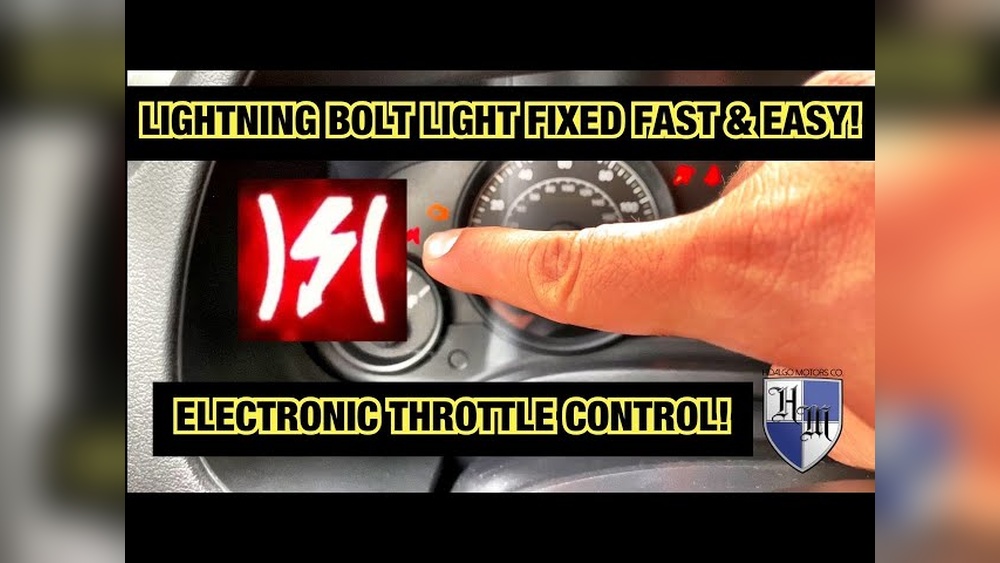
If your Jeep Patriot shows a warning for the electronic throttle control (ETC), you might feel worried or confused. This light often looks like a lightning bolt inside two curved lines. When it turns on, your car may lose power, run rough, or even stall. Fixing this problem can seem hard, but with some basic steps and knowledge, you can often solve it yourself or know when to ask for expert help.
Understanding Electronic Throttle Control
The ETC system uses sensors and an electronic motor to control the throttle instead of a traditional cable. This allows the car to adjust power quickly and efficiently. When something goes wrong, the ETC light warns you about issues that may affect driving safety.
Common Symptoms
- Reduced power: The car may go into “limp mode” and not accelerate properly.
- Rough idle: Engine may shake or sound uneven.
- Stalling: The car can shut off suddenly, even when driving.
- Throttle warning light: Usually red or yellow on the dashboard.
Causes Of Etc Failure
Many things can trigger ETC problems. Here are the most frequent:
- Dirty throttle body
- Faulty throttle position sensor
- Bad accelerator pedal sensor
- Wiring issues
- PCM (Powertrain Control Module) errors
Step-by-step Guide To Fixing Etc Issues
Before you begin, gather these tools:
- Screwdrivers (flat and Phillips)
- Socket set
- Throttle body cleaner
- Clean cloths
- OBD-II scanner (optional but helpful)
1. Check For Error Codes
Plug an OBD-II scanner into your Jeep Patriot. This tool reads the computer for error codes, which can guide your repair. Common ETC-related codes are P0121 (throttle position sensor), P2101 (throttle actuator control), and P2112 (throttle stuck closed).
2. Inspect The Throttle Body
A dirty throttle body is a very common cause. Here’s how to check and clean it:
- Remove the air intake hose.
- Look inside for dirt or carbon build-up.
- Spray throttle body cleaner on the surface.
- Gently wipe away dirt with a cloth.
- Reinstall the hose and reconnect any wires.
Cleaning often restores normal function if the issue was due to dirt.
3. Test Throttle Position Sensor
This sensor tells the computer how far the throttle is open. If it fails, the ETC will not work properly.
- Locate the sensor (usually mounted on the throttle body).
- Check for loose or damaged wires.
- Use a multimeter to measure voltage (should change as you press the pedal).
- Replace the sensor if readings are off or if OBD-II codes suggest failure.
4. Inspect Accelerator Pedal Sensor
The pedal sensor signals the ETC when you press the gas. Problems here can cause limp mode.
- Remove the pedal (if needed).
- Look for broken connectors or wires.
- Test with a multimeter for consistent readings.
5. Examine Wiring And Connectors
Loose or corroded wires can interrupt signals.
- Check all visible wires between the throttle body, sensors, and PCM.
- Look for corrosion, broken insulation, or loose plugs.
- Repair or replace damaged wiring.
6. Reset The Pcm
Sometimes, the computer needs a reset after repairs.
- Disconnect the battery for 10–15 minutes.
- Reconnect and start the engine.
- See if the ETC light goes off.
7. Replace The Throttle Body (if Necessary)
If cleaning and sensor checks fail, the throttle body itself may be defective. This is rare but possible.
- Buy a compatible throttle body.
- Remove the old unit.
- Install the new one and reconnect all wires.
Jeep Patriot Etc Problems Vs. Other Suvs
Compare ETC issues between the Jeep Patriot and similar SUVs:
| Model | Common ETC Issues | Repair Difficulty |
|---|---|---|
| Jeep Patriot | Dirty throttle body, sensor failure | Medium |
| Ford Escape | Sensor failure, wiring faults | Medium |
| Toyota RAV4 | Throttle body wear | Easy |

Real-world Examples And Insights
Many drivers report that simply cleaning the throttle body solves ETC problems. However, some overlook the importance of checking the battery voltage. Low voltage can cause ETC errors but is often missed. Another common mistake is ignoring wiring under the hood, especially near the battery and PCM. These wires can get wet or corroded, causing hidden issues.
A Jeep Patriot owner shared that after cleaning the throttle body and checking sensors, the ETC light remained. The problem turned out to be a loose ground wire near the engine. Fixing this stopped the warning light instantly.
Cost Comparison For Etc Repair
ETC repairs can vary in cost. Here’s a rough breakdown:
| Repair Type | DIY Cost | Shop Cost |
|---|---|---|
| Throttle Body Cleaning | $10-$25 | $80-$150 |
| Sensor Replacement | $30-$80 | $120-$250 |
| Throttle Body Replacement | $120-$250 | $350-$600 |

When To Seek Professional Help
If you have tried all the steps above and the ETC light stays on, it’s time to visit a mechanic. Some problems, like PCM failure, need special tools and training to fix. If your Patriot stalls often or won’t start, do not drive it further.
You risk damaging the engine or getting stranded.
For detailed technical information about ETC systems, check the official Jeep service manuals or visit Autoblog.
Frequently Asked Questions
Why Does The Etc Light Come On In My Jeep Patriot?
The ETC light warns you about issues with the electronic throttle system. Common causes include a dirty throttle body, faulty sensors, wiring problems, or computer errors.
Can I Drive With The Etc Warning Light?
Driving with the ETC light on is risky. Your car may lose power or stall suddenly. It’s best to fix the problem before using your Jeep Patriot for regular driving.
How Often Should I Clean The Throttle Body?
Clean the throttle body every 30,000–40,000 miles or if you notice rough idle or power loss. Keeping it clean helps prevent ETC problems.
What Tools Do I Need To Fix Etc Issues?
Basic tools include screwdrivers, a socket set, throttle body cleaner, cloths, and an OBD-II scanner. Some repairs may require a multimeter for testing sensors.
Is Etc Repair Expensive?
It depends on the cause. Cleaning the throttle body is cheap, while replacing sensors or the throttle body costs more. Doing repairs yourself saves money, but complex issues may require a professional.
Solving ETC problems on your Jeep Patriot is possible with careful steps and patience. Most issues start small, so early action can prevent bigger repairs. Knowing what to check first and understanding common mistakes will help you keep your SUV running smoothly.