If your Jeep suddenly starts shaking violently at highway speed, it’s not just scary—it’s dangerous. This problem is known as the death wobble.
Many Jeep owners, especially those driving models like the Wrangler or Cherokee, face this issue. Understanding what causes death wobble and how to fix it can save you money and keep you safe on the road.
This guide explains the real causes, step-by-step fixes, and expert tips to make your Jeep stable again.
What Is Death Wobble In A Jeep?
Death wobble is a strong, uncontrollable shaking from the front wheels. It usually happens when hitting a bump or pothole at speeds above 45 mph. The steering wheel shakes so much you feel you might lose control. It’s most common in Jeeps with solid front axles and lifted suspensions.
Typical Symptoms
- Violent shaking of steering wheel
- Jeep sways side to side
- Hard to keep Jeep straight
- Shaking stops only after slowing down
Main Causes Of Death Wobble
Fixing death wobble means understanding what causes it. Most issues come from worn or loose parts in the front suspension and steering system.
| Part | Common Problem | Estimated Repair Cost |
|---|---|---|
| Track Bar | Loose bolts, worn bushings | $50-$150 |
| Tie Rod Ends | Excessive play | $40-$100 |
| Ball Joints | Worn out | $80-$200 |
| Wheel Bearings | Loose or damaged | $120-$300 |
| Steering Stabilizer | Leaking or weak | $40-$80 |
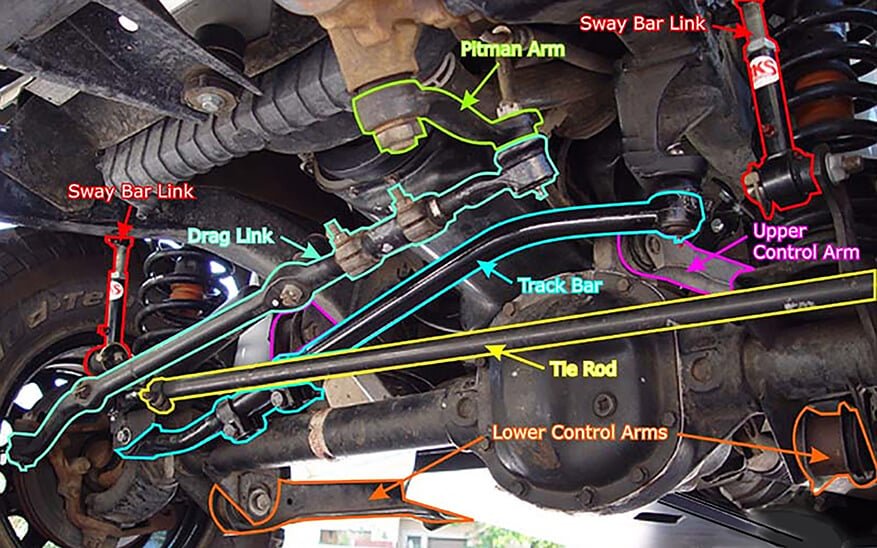
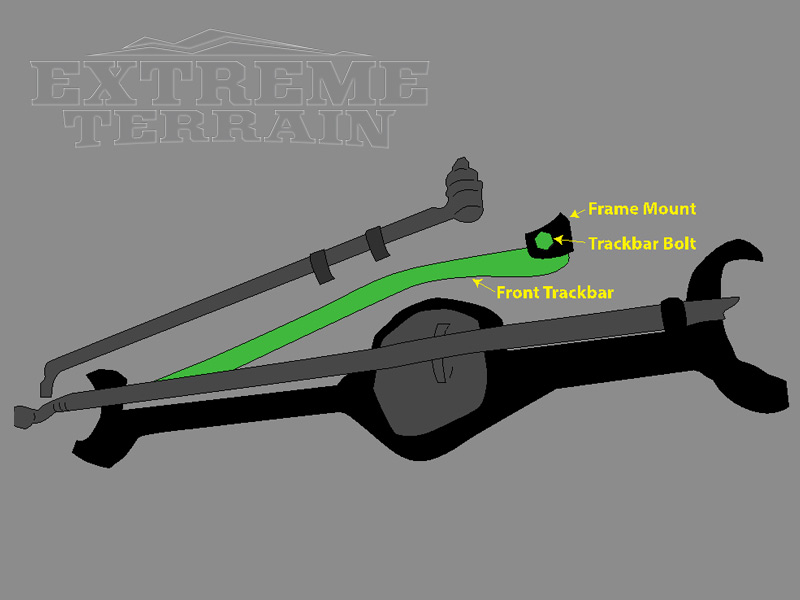
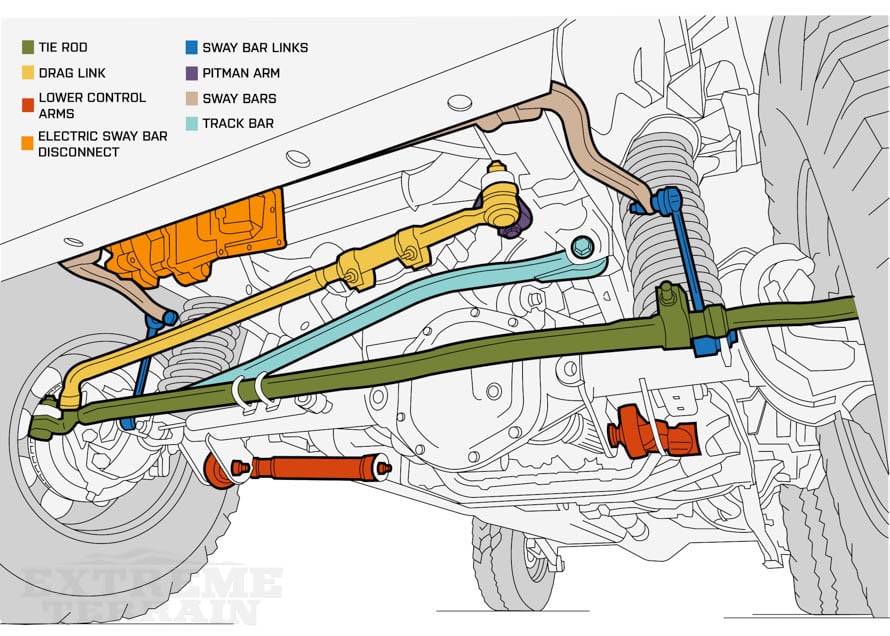
- Track bar: If the bolts or bushings are loose, the axle can move side to side.
- Tie rod ends & ball joints: These connect your steering. Worn parts cause play.
- Wheel bearings: Loose bearings let the wheels wobble.
- Steering stabilizer: This absorbs shocks. If weak, it cannot control shaking.
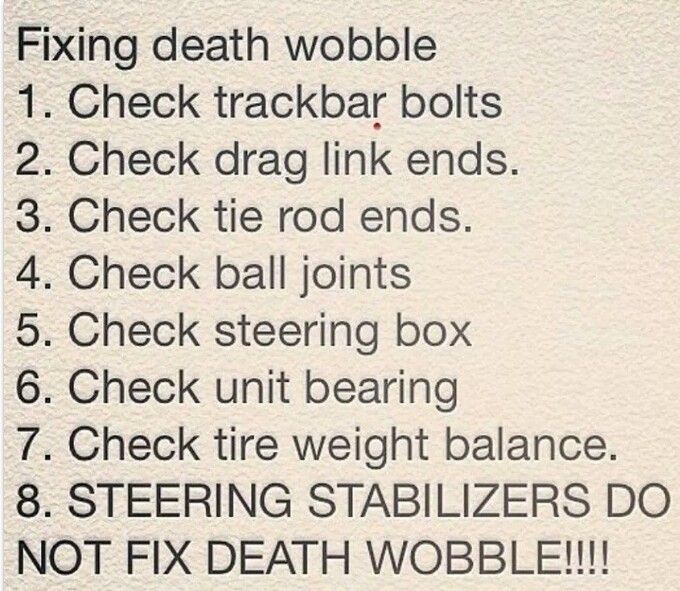
Many think the stabilizer is the main cause, but it’s just a symptom. The real issue is almost always loose or worn suspension parts.
Step-by-step Guide To Fixing Death Wobble
Follow these steps to diagnose and repair death wobble. Always use safety gear and tools.
1. Inspect And Tighten Suspension Bolts
Check all bolts on the track bar, control arms, and steering linkage. Use a torque wrench to tighten them to Jeep specifications.
2. Examine Track Bar And Bushings
Look for cracks or wear in the bushings. Try to move the track bar by hand. If it moves, replace bushings or bolts.
3. Check Tie Rod Ends And Ball Joints
Lift the Jeep and shake the front wheels. If they move, the tie rod ends or ball joints may be worn. Replace any part with excessive play.
4. Inspect Wheel Bearings
Spin each wheel and listen for grinding or feel for looseness. Replace if needed.
5. Replace Steering Stabilizer
If your stabilizer is leaking or weak, install a new one. It’s easy and costs less than $80.
6. Get An Alignment
After repairs, a wheel alignment is essential. Misalignment can cause uneven tire wear and more wobble.
| DIY Step | Difficulty (1-5) | Time Needed |
|---|---|---|
| Tighten bolts | 2 | 30 minutes |
| Replace bushings | 3 | 1 hour |
| Change tie rod ends | 3 | 1-2 hours |
| Replace ball joints | 4 | 2-3 hours |
| Install stabilizer | 2 | 20 minutes |
Prevention And Tips
Stopping death wobble before it starts is easier than fixing it after. Here are some tips:
- Check suspension parts regularly. Every oil change, inspect bolts and bushings.
- Avoid cheap lift kits. Low-quality kits can cause geometry problems.
- Use quality replacement parts. Cheap parts wear out faster.
- Balance your tires. Out-of-balance tires add stress to the suspension.
- Don’t ignore small shakes. Early signs can lead to full death wobble.
A mistake many beginners make is only replacing the stabilizer. This doesn’t solve the real cause.
Always check all parts, not just the obvious ones.
Real Jeep Owner Example
In 2022, a Jeep Wrangler owner reported severe death wobble after installing a 3-inch lift. Mechanics found loose track bar bolts and worn ball joints. After tightening the track bar and changing the ball joints, the wobble stopped. The owner learned to check bolts after any suspension work—a tip often missed by first-timers.
Another Jeep Cherokee owner had death wobble after hitting a pothole. The problem was a bent tie rod. Replacing the tie rod fixed the wobble and improved steering.
When To Seek Professional Help
If you don’t have tools or experience, visit a Jeep specialist. Some issues, like pressing new ball joints, require special equipment. A mechanic can also check alignment and balance tires. Spending $100–$300 on expert help can save bigger costs later.
| Repair Type | DIY | Mechanic |
|---|---|---|
| Track bar tightening | Yes | Yes |
| Bushing replacement | Yes | Yes |
| Ball joint change | No | Yes |
| Wheel alignment | No | Yes |
| Stabilizer install | Yes | Yes |
Frequently Asked Questions
What Jeeps Are Most Likely To Get Death Wobble?
Wrangler and Cherokee models with solid front axles and lifted suspensions are most at risk. Jeeps from 2007 2018 have more reports due to their suspension design.
Can Driving With Death Wobble Damage My Jeep?
Yes. It can cause extra wear on suspension and steering parts.
Over time, it may lead to expensive repairs.
Is The Steering Stabilizer The Main Cause?
No. The stabilizer only masks the problem.
Loose track bar bolts or worn bushings are more common causes.
How Often Should I Check My Suspension?
Check every oil change or at least every 6 months. This helps catch problems early.
Where Can I Find More Technical Details?
For deeper technical information, visit the Wikipedia Death Wobble page.
Fixing death wobble in your Jeep can be simple if you know what to check. Tighten bolts, replace worn parts, and get an alignment after repairs.
Regular checks and using quality parts will keep your Jeep stable and safe. If you’re unsure, don’t wait get help from a specialist.
Driving with death wobble is risky, but with the right steps, you can solve it and enjoy your Jeep confidently.