When your Jeep’s battery goes dead, it can feel like you’re stuck. Maybe you need to move your Jeep for towing or push it out of a parking spot.
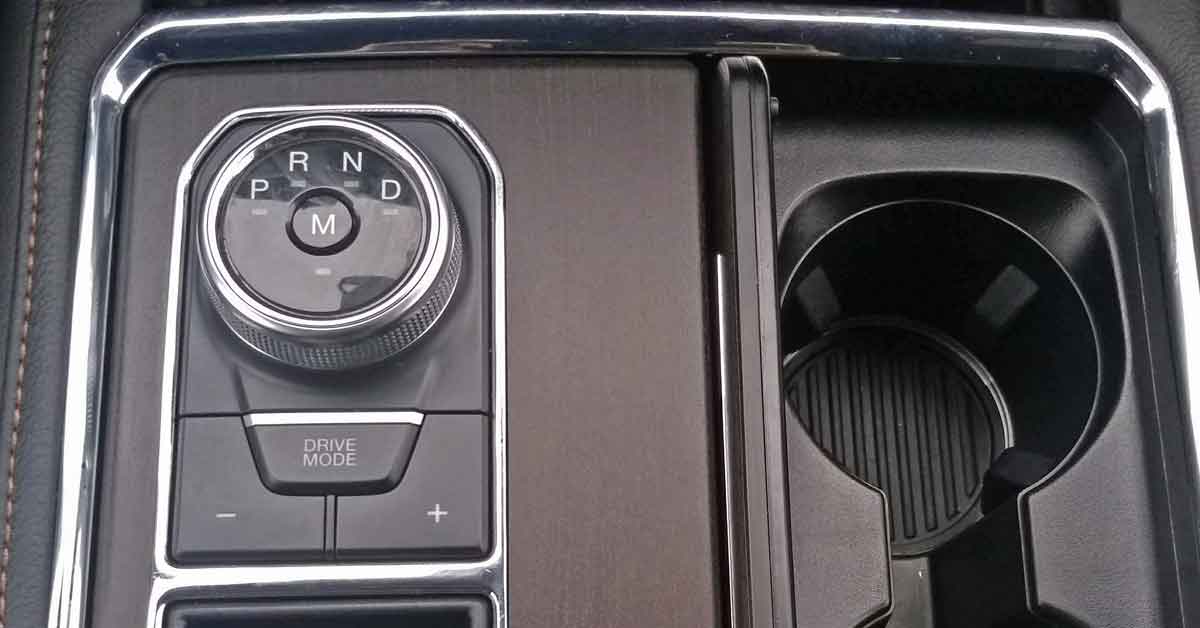
The challenge is that most modern Jeeps use electronic systems to control the gear shifter.
With no power, putting your Jeep in neutral is not straightforward. However, there are safe methods to do this, and knowing them can prevent damage or accidents.
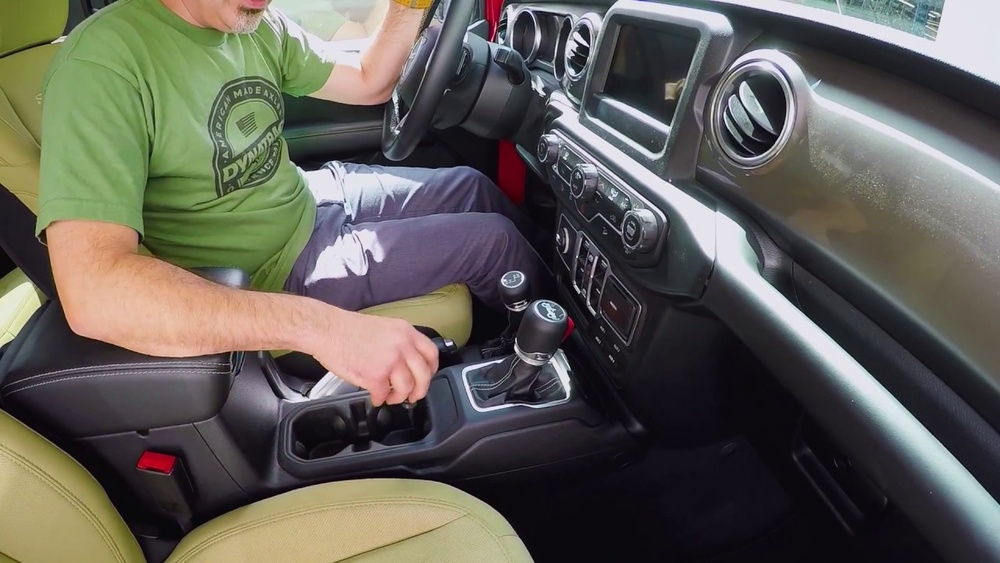
This guide explains step-by-step how to safely put your Jeep in neutral with a dead battery, covering different Jeep models and transmission types.
You’ll also learn common mistakes, practical tips, and how to avoid costly errors.
Understanding Jeep Transmission Types
Before you try to move your Jeep, it’s important to know which transmission type you have. Jeep vehicles commonly feature either automatic or manual transmissions. Let’s compare the basics:
| Transmission Type | How Neutral is Engaged | Power Needed? |
|---|---|---|
| Automatic | Electronic shifter, sometimes manual override | Usually yes, unless override is used |
| Manual | Physical gear stick | No battery power required |
Most modern Jeeps like the Wrangler JL, Grand Cherokee, and Gladiator use automatic transmissions with electronic shifters. Older models and some off-road Jeeps may still have manual gear sticks.
How To Safely Put Your Jeep In Neutral With Dead Battery
For Automatic Transmissions
1. Find The Manual Shift Override
Most Jeeps with electronic shifters have a manual override. This lets you shift to neutral even when the battery is dead.
Look for a small cover or slot near the gear shifter labeled “Shift Lock” or “Manual Override. ”
2. Remove The Cover
Use a flathead screwdriver or a car key to gently pry off the cover. Be careful not to scratch the surrounding area.
3. Insert A Tool
Insert the tool (usually a screwdriver or the provided Jeep tool) into the slot. Press down firmly.
You may feel resistance, but keep steady pressure.
4. Move The Shifter To Neutral
While holding the override, move the shifter from “Park” to “Neutral. ” This can take a bit of force, especially if the Jeep is on a hill.
5. Check If The Jeep Rolls Freely
If the Jeep moves, you’ve successfully shifted to neutral. If not, repeat the steps and make sure you’re pressing the override correctly.
For Manual Transmissions
Putting a manual Jeep in neutral is much simpler:
1. Depress The Clutch
Step on the clutch pedal fully.
2. Move Gear Stick To Neutral
Shift the stick to the center position.
3. Release The Clutch
The Jeep should now roll freely. No battery power is needed.
Common Mistakes To Avoid
- Forcing the shifter without using the override can break the gear mechanism.
- Forgetting to engage the parking brake before starting the process, which can cause the Jeep to roll unexpectedly.
- Not using the right tool for the manual override, risking damage to the shifter.
| Mistake | Risk | How to Avoid |
|---|---|---|
| Forcing the shifter | Gear damage | Always use override |
| No parking brake | Vehicle rolls | Apply brake first |
| Wrong tool | Scratch/damage | Use correct tool |
Practical Tips For Safe Neutral Shifting
- Always apply the parking brake before you start. This prevents unexpected movement.
- If your Jeep is on a slope, use wheel chocks for extra safety.
- Check your owner’s manual for your model’s override location. Some are hidden under the console or near the shifter base.
- In newer Jeeps, the override is often a small plastic tab. Older models may use a metal slot.
- If you’re unsure, ask a professional or visit the dealership. Incorrect shifting can cause expensive damage.
Real-world Examples
One Jeep Wrangler JL owner reported that after a battery failure, he found the override slot under the shifter boot. Using a screwdriver, he pressed the tab and smoothly shifted to neutral, allowing a tow truck to move the vehicle without damage.
Another Grand Cherokee user noted that forgetting the parking brake caused the Jeep to roll suddenly, nearly hitting another car. This highlights the importance of safety steps.
Data: How Common Is Battery Failure In Jeeps?
According to AAA, battery failure is one of the top three reasons for roadside assistance calls in the US. Jeep owners report battery replacement every 3-5 years, depending on climate and usage. Knowing how to shift to neutral can save time and money during emergencies.
| Reason for Roadside Assistance | Percentage |
|---|---|
| Battery failure | 32% |
| Flat tire | 27% |
| Locked out | 18% |
| Other | 23% |
When To Call For Help
If you’ve tried the steps and your Jeep still won’t shift to neutral, it’s best to call for professional assistance. Towing companies often have special tools and knowledge for dealing with electronic shifters. Forcing the mechanism can lead to costly repairs.
For more detailed Jeep-specific guidance, visit the official Jeep website.

Frequently Asked Questions
How Do I Find The Manual Override In My Jeep?
Look near the gear shifter for a small cover or slot. The owner’s manual usually shows the exact location. If you can’t find it, check under the console or near the shifter base.
Is It Safe To Push My Jeep After Putting It In Neutral?
Yes, if you’ve applied the parking brake first and used wheel chocks. Always have someone help guide you, especially if you’re on a slope.
Can I Damage My Jeep By Shifting To Neutral With A Dead Battery?
If you use the override properly, it’s safe. Forcing the shifter without the override can cause transmission damage.
Does Every Jeep Have A Manual Override?
Most modern automatic Jeeps have this feature, but some older models or manual transmissions may not need it. Always check your owner’s manual.
What Should I Do If My Jeep Won’t Shift To Neutral?
Stop and call for professional help. Trying to force the shifter can lead to expensive repairs. Towing experts can safely move your Jeep.
Knowing how to safely put your Jeep in neutral with a dead battery is a practical skill that can save you from headaches and extra costs.
By following these steps and avoiding common mistakes, you protect your vehicle and ensure a smooth towing or moving process.
Always prioritize safety and consult your owner’s manual for your specific model.