Working on your car can feel intimidating, especially when you don’t have all the specialized tools. One common task is tightening spark plugs.
Mechanics often use a torque wrench for this, but many car owners don’t have one. The good news is, you can still tighten spark plugs safely using simple methods.
This guide explains how to do it right, avoid mistakes, and keep your engine running smoothly.
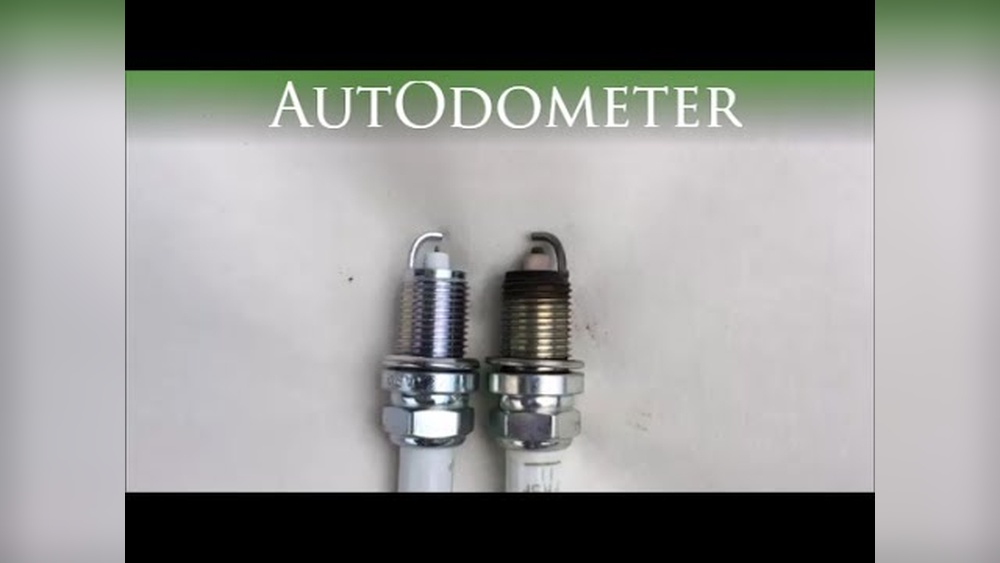
Why Proper Spark Plug Tightening Matters
Spark plugs sit deep inside your engine and help ignite fuel. If you overtighten, you risk breaking the plug or damaging the cylinder head. If you undertighten, the plug may loosen, causing misfires or poor performance.
A study by NGK, a leading spark plug manufacturer, found that incorrect installation is a top cause of plug failure. Engines with loose plugs can lose up to 10% power and may use more fuel. That’s why getting the tightness right is important, even without fancy tools.
What You Need For Spark Plug Installation
Before starting, gather these items:
- Spark plug socket (usually 5/8″ or 13/16″)
- Ratchet wrench
- Extension bar (optional for hard-to-reach plugs)
- Spark plug gap tool
- Anti-seize compound (for older engines)
- Gloves (to protect your hands)
Most modern cars don’t need anti-seize, but always check your owner’s manual.
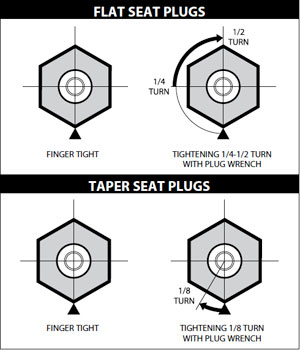
How Tight Should A Spark Plug Be?
Manufacturers recommend specific torque values, usually between 18–25 ft-lbs for most cars. Without a torque wrench, you’ll use feel and simple rules.
Here’s a quick look at typical torque specs:
| Plug Type | Torque Range (ft-lbs) | Hand-Tighten Method |
|---|---|---|
| Aluminum head | 18–25 | 1/16 to 1/2 turn after finger tight |
| Cast iron head | 25–30 | 1/16 to 3/4 turn after finger tight |
| Motorcycle | 7–12 | 1/16 to 1/4 turn after finger tight |
Step-by-step: Tightening Spark Plugs Without A Torque Wrench
Follow these steps to get your spark plugs tight enough, but not too tight:
1. Clean The Plug Hole
Use compressed air to remove dirt. This prevents debris from falling inside the engine.
2. Check The Gap
Use a gap tool to ensure the spark plug tip matches your car’s specs.
3. Finger-tighten The Plug
Thread the plug into the hole by hand. It should turn easily.
If you feel resistance, remove and check for cross-threading.
4. Turn With The Wrench
Once the plug stops turning by hand, use the ratchet wrench. Here’s where the method matters:
- For new plugs with a crush washer:
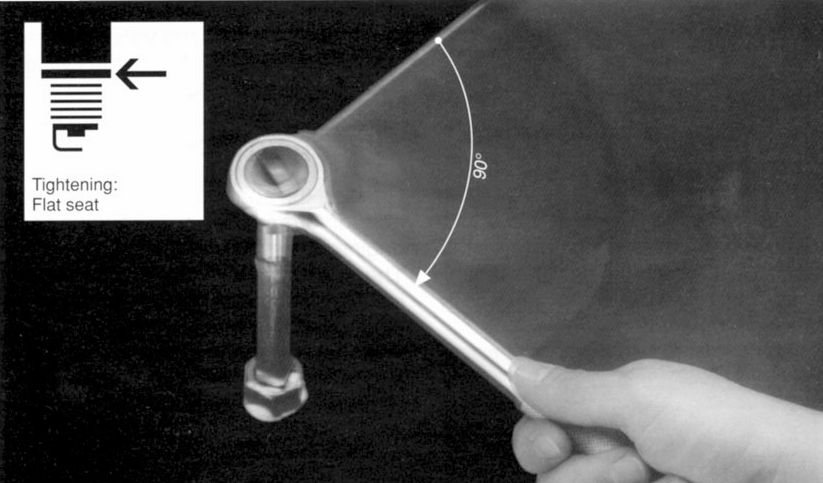
After finger-tight, turn the wrench 1/2 turn (180 degrees).
- For used plugs or those without a washer:
After finger-tight, turn the wrench 1/16 to 1/8 turn (about 10–45 degrees).
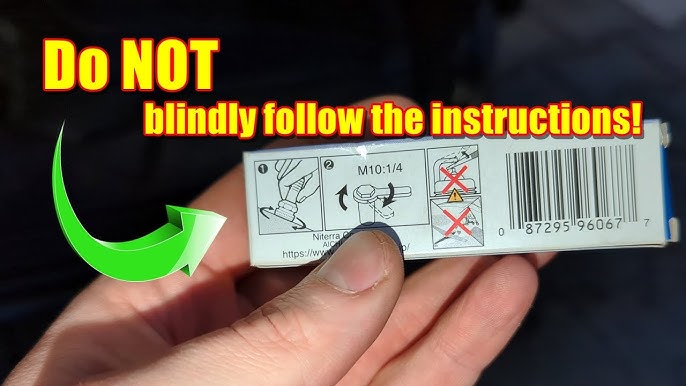
Most spark plug packaging shows this method. The crush washer compresses; you’ll feel it get firmer.
5. Stop At Resistance
When you feel solid resistance, stop. Don’t force more. The plug is now tight.
6. Reconnect Wires
Attach the plug wire or coil pack securely.
Here’s a comparison of turns needed for different plug types:
| Plug Type | Turn After Finger Tight | Risk of Overtightening |
|---|---|---|
| With crush washer | 1/2 turn | Moderate |
| Without washer | 1/16 turn | High |
| Used plug | 1/16 turn | High |
Common Mistakes And How To Avoid Them
Many beginners make the same errors. Here’s what to watch out for:
- Cross-threading:
If the plug doesn’t thread easily, stop and realign. Cross-threading can damage the cylinder head, costing hundreds to repair.
- Overtightening:
Too much force can snap the plug or strip threads. Always use gentle pressure after finger-tight.
- Incorrect gap:
Plugs with the wrong gap may misfire. Double-check before installing.
- Dirty threads:
Dirt can cause plugs to stick or not seat properly. Clean before installing.
Practical Tips For Best Results
- Use two hands: One to guide the socket, one to turn. This helps keep the plug straight.
- If unsure, practice on an old plug outside the engine. Feel the crush washer compress.
- Mark your wrench handle with tape. This makes it easier to judge the 1/2 turn.
- For motorcycles or small engines, be extra gentle. Their threads strip easily.
- If you install plugs often, consider a torque stick. It limits force, even without a full torque wrench.
Here’s a quick table showing signs of under- and overtightened plugs:
| Condition | Symptoms | What to Do |
|---|---|---|
| Loose plug | Misfire, engine knock, loss of power | Tighten slightly |
| Tight plug | Hard to remove, damaged threads | Replace plug, repair threads |
| Just right | Stable idle, smooth performance | Leave as is |
Frequently Asked Questions
How Do I Know If My Spark Plug Is Tight Enough?
The plug should feel snug after you turn it 1/2 (new) or 1/16 (used) turn beyond finger-tight. If the engine runs smoothly and there’s no misfire, you’re good.
Can Overtightening Cause Serious Damage?
Yes. Overtightening can strip the cylinder head threads or break the plug. This might need expensive repairs.
Do I Need Anti-seize Compound On Spark Plugs?
Most modern plugs don’t need it. Anti-seize can affect torque readings and cause plugs to loosen.
Check your manual or the plug manufacturer’s advice.
Is It Safe To Drive With A Loose Spark Plug?
No. Loose plugs cause misfires, poor fuel economy, and possible engine damage.
Always check and tighten if you suspect a problem.
Where Can I Find Official Torque Specs For My Car?
You’ll find them in your owner’s manual or on the manufacturer’s website. For more info, see NGK Spark Plug Torque Chart.
Getting spark plug tightness right is simple if you follow these steps. The key is to use gentle pressure and check your work.
Even without a torque wrench, you can keep your engine healthy and avoid costly mistakes. With practice, you’ll gain confidence and understand the feel that mechanics rely on every day.