Jump starting a Jeep Grand Cherokee can be stressful, especially if it’s your first time. A dead battery is a common problem, but with the right steps, you can get your SUV running again in less than 15 minutes. Whether you’re stuck in a parking lot or at home, knowing how to jump your Grand Cherokee safely saves time, money, and frustration. This guide explains the process clearly, highlights safety tips, and shares insights most beginners overlook.
What You Need Before Jump Starting
Before you start, gather these items:
- Jumper cables (long enough to reach between vehicles)
- A working vehicle (with a fully charged 12-volt battery)
- Gloves and eye protection (for safety)
- Knowledge of both cars’ battery locations (Jeep Grand Cherokee batteries are usually under the hood, but some models have them under the passenger seat)
Check your owner’s manual if you’re unsure about battery location or safety warnings. Always turn off both vehicles before connecting cables.
Step-by-step Guide To Jumping A Jeep Grand Cherokee
- Position the Vehicles
- Park the working vehicle close to your Jeep, facing each other if possible. Ensure both cars are in Park (or Neutral for manual), with parking brakes engaged.
- Open the Hoods
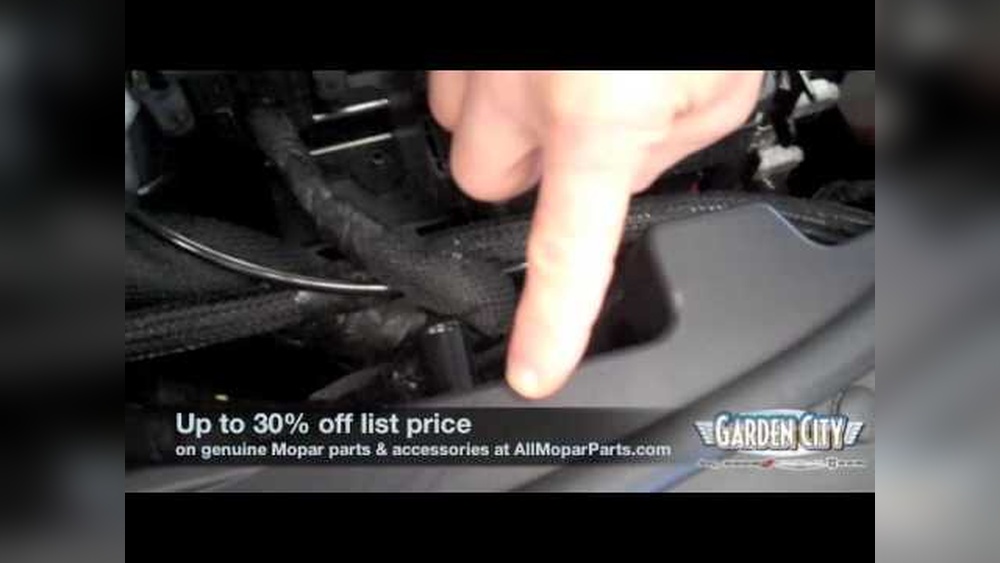
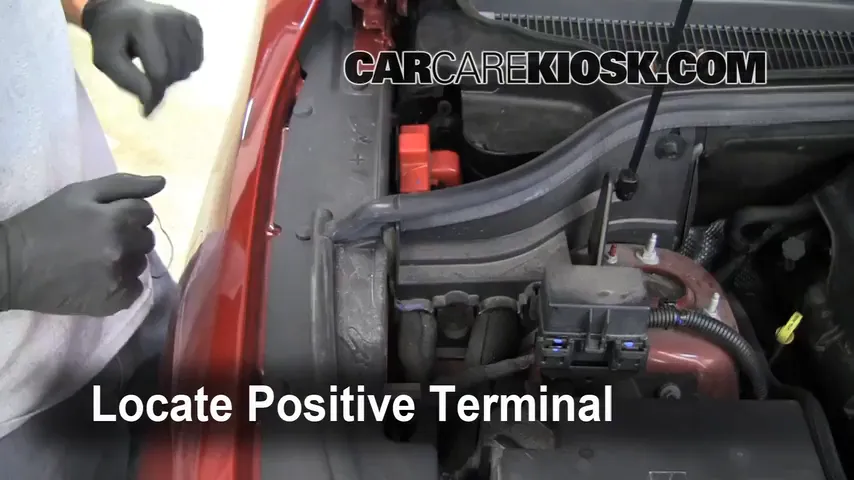
- Locate both batteries. If your Grand Cherokee’s battery is not under the hood, look for the positive terminal post under the hood, which connects to the battery.
- Attach the Jumper Cables
- Connect one red clamp to the dead battery’s positive (+) terminal.
- Connect the other red clamp to the positive (+) terminal of the donor battery.
- Attach one black clamp to the negative (–) terminal of the donor battery.
- Connect the final black clamp to an unpainted metal surface on the Jeep (not the battery negative post). This reduces the risk of sparks.
- Start the Donor Vehicle
- Let it run for 2–3 minutes. This helps transfer some charge.
- Start the Jeep Grand Cherokee
- Try to start your Jeep. If it doesn’t start, wait a few minutes and try again. Do not crank for more than 10 seconds at a time.
- Remove the Jumper Cables
- Remove cables in reverse order: Black clamp from Jeep, black from donor, red from donor, then red from Jeep.
- Let the Jeep Run
- Keep your engine running for at least 20 minutes or drive around. This helps recharge the battery.
Here’s a quick comparison of battery locations for Grand Cherokee models:
| Model Year | Battery Location |
|---|---|
| 2011–2021 | Engine compartment |
| 2005–2010 | Under passenger seat |
| 1993–2004 | Engine compartment |

Safety Tips And Common Mistakes
Jump starting is safe if you follow the right steps. But it’s easy to make mistakes that could damage your Jeep or cause injuries.
Safety Tips
- Never touch clamps together while connected to a battery.
- Remove jewelry before starting, as metal can conduct electricity.
- Always use good quality jumper cables—thin, cheap cables can overheat.
- If you see smoke or smell burning, stop immediately.
Common Mistakes
- Reversing cable order: Connecting positive to negative can damage electronics.
- Using a frozen battery: Never jump a battery that’s frozen or leaking.
- Skipping the ground connection: Attaching the last black clamp to the battery instead of a metal ground increases explosion risk.
- Not checking for corrosion: Dirty terminals may block electricity flow; clean them with a wire brush if needed.
When Jump Starting Doesn’t Work
Sometimes, even after following all steps, your Jeep Grand Cherokee won’t start. This usually means the problem isn’t just the battery.
Common causes:
- Faulty alternator: If the battery keeps dying, the alternator might not be charging it.
- Bad starter motor: Clicking sounds often mean starter issues.
- Corroded cables: Even new batteries can fail if cables are loose or corroded.
- Blown fuses: Check your fuse box for any blown fuses related to the ignition or starter.
Here’s a quick comparison of potential causes:
| Symptom | Possible Issue |
|---|---|
| No sound/lights | Dead battery or fuse |
| Clicking noise | Starter or relay |
| Engine cranks but won’t start | Fuel or ignition problem |
Extra Insights Most Beginners Miss
Many people think any jumper cables will work. However, the gauge of the cable matters—a lower number means thicker cables, which carry more current. For large vehicles like the Grand Cherokee, use at least 4-gauge cables.
Another overlooked tip: If your Jeep has Start/Stop technology or a dual-battery system (common in newer models), follow the manual’s instructions carefully. Jumping these incorrectly can damage sensitive electronics.
How To Prevent Future Battery Issues
Preventing another dead battery saves time and trouble. Here are some practical steps:
- Drive your Jeep regularly: Short trips may not fully recharge the battery.
- Check battery age: Most car batteries last 3–5 years.
- Turn off lights and electronics: Leaving them on drains the battery.
- Inspect battery terminals: Clean off any corrosion every few months.
You can use a multimeter to check your battery’s voltage. A healthy battery should read around 12.6 volts when the engine is off.
Here’s a comparison of battery voltages and what they mean:
| Voltage Reading | Battery Status |
|---|---|
| 12.6V+ | Fully charged |
| 12.4–12.5V | 75% charged |
| 12.2–12.3V | 50% charged |
| 12.0V or less | Needs charging |
Frequently Asked Questions
What Size Jumper Cables Should I Use For A Jeep Grand Cherokee?
Use 4-gauge or thicker cables for the best results. Thin cables may not deliver enough power to start a large engine.
Can I Jump Start My Jeep From A Hybrid Or Electric Car?
It’s possible, but not recommended. Hybrids and EVs often have smaller 12V batteries that may not provide enough current. Always check the donor car’s manual first.
What If My Jeep Still Won’t Start After Jumping?
The issue could be the starter, alternator, or a blown fuse. If jump starting fails, consult a mechanic to diagnose the problem.
Is It Safe To Jump Start In The Rain?
Yes, as long as you avoid standing water and keep cable connections dry. Water itself isn’t dangerous unless it bridges battery terminals.
Where Can I Find More Information On Jeep Grand Cherokee Batteries?
Refer to your owner’s manual or visit the official Jeep Grand Cherokee Wikipedia page for detailed specs and guides.
A dead battery can happen to anyone, but knowing how to jump your Jeep Grand Cherokee puts you back on the road quickly and safely. Follow the steps, stay safe, and remember these tips to prevent future problems. With practice, jump starting will feel easy, not stressful.