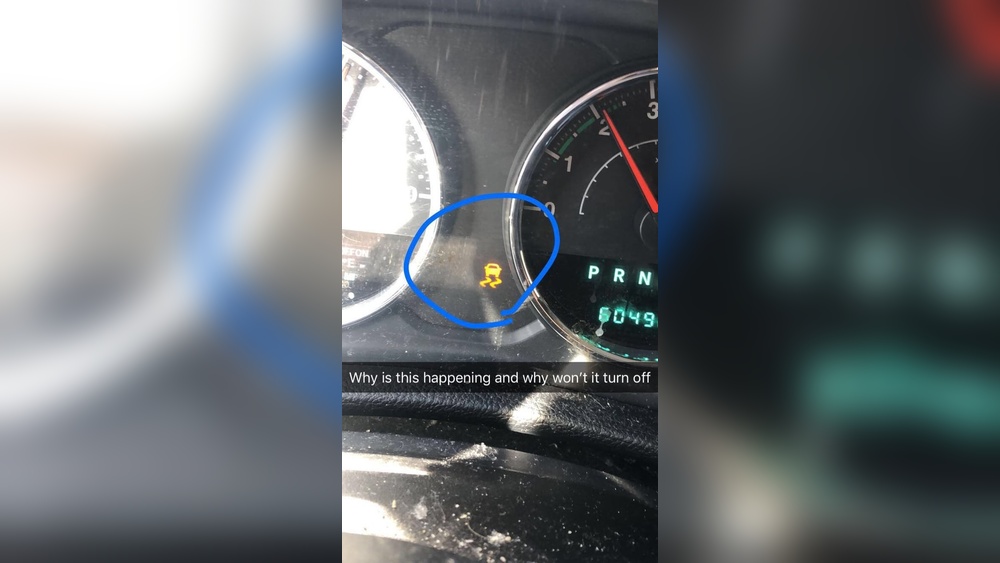
If your Jeep just threw a P0038 code, you might be wondering what’s going on under the hood. This code points to an issue with the oxygen sensor heater circuit, which can affect your engine’s performance and fuel efficiency.
But don’t worry—you’re in the right place to understand what causes this problem, how to check it, and what steps you can take to fix it. Keep reading to get your Jeep running smoothly again and avoid costly repairs down the road.

P0038 Code Basics
The P0038 code is a common issue for Jeep owners. It points to a problem with the oxygen sensor heater circuit. This sensor helps the engine run efficiently and controls emissions. Understanding this code helps you spot problems early and avoid costly repairs.
What P0038 Means
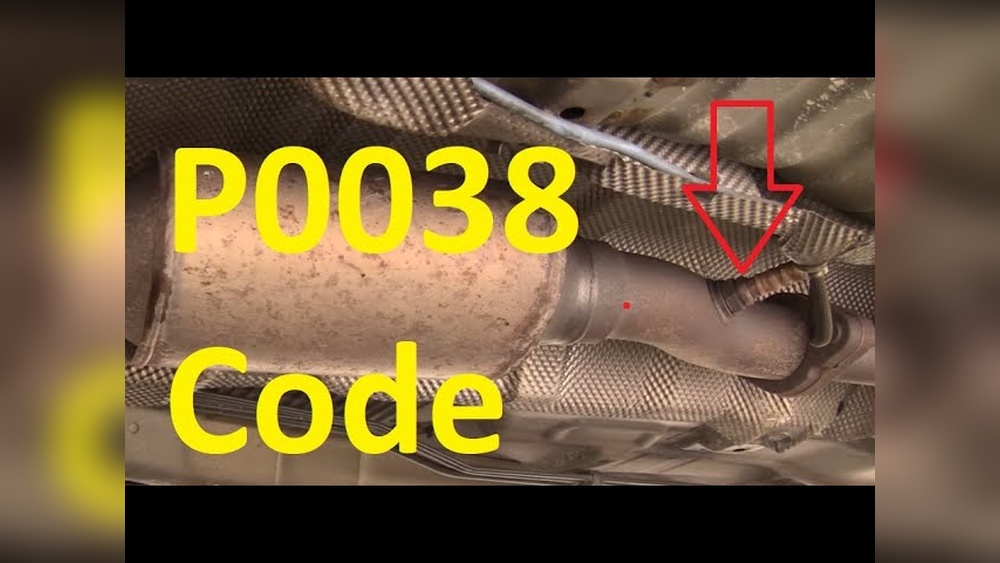
The P0038 code means the heater control circuit for the oxygen sensor is stuck on. The oxygen sensor is located before the catalytic converter. It measures oxygen in the exhaust to adjust fuel mix. The heater helps the sensor reach working temperature quickly. A stuck heater means the sensor may overheat or not function right.
Symptoms To Watch For
Common symptoms include the check engine light turning on. You might notice poor fuel economy or rough engine idle. The engine could hesitate or stall during driving. Sometimes, the vehicle fails emissions tests. These signs suggest the oxygen sensor heater circuit needs checking.
Common Causes
The P0038 code in Jeep vehicles points to issues with the oxygen sensor heater circuit. This code appears when the sensor heater circuit has high voltage or does not work properly. Understanding the common causes helps in quick and effective repair. The problem often lies in electrical faults that affect the sensor’s performance.
Identifying the root cause saves time and avoids unnecessary parts replacement. The most frequent causes include wiring problems, faulty oxygen sensor heaters, and bad ground connections. Each issue interrupts the sensor’s ability to reach the right temperature. This affects the engine’s fuel management and emissions.
Wiring Problems
Wiring issues are a top cause of P0038 in Jeeps. Damaged, frayed, or melted wires can disrupt the heater circuit. Exposure to heat and road debris often causes wire insulation to break down. Broken wires stop electrical current from reaching the oxygen sensor heater. This leads to the code triggering and poor engine performance.
Faulty Oxygen Sensor Heater
The oxygen sensor heater itself can fail over time. The heater warms the sensor quickly to improve accuracy. A broken heater resistor or internal short circuit causes the sensor to stay cold. Without proper heat, the sensor sends bad data to the engine control unit (ECU). This triggers the P0038 code and reduces fuel efficiency.
Bad Ground Connections
Poor ground connections cause voltage problems in the sensor heater circuit. Corrosion or loose ground straps stop the circuit from completing correctly. Jeeps, especially models like the Patriot and Grand Cherokee, often have ground corrosion issues. Cleaning and tightening ground points restores proper current flow. This can fix the P0038 code without replacing parts.
Diagnostic Steps
Diagnosing the P0038 code on a Jeep requires a step-by-step approach. This method ensures accurate identification of the problem. It helps avoid unnecessary part replacements and saves time.
The process involves careful inspection of electrical components and sensor testing. Each step focuses on key areas that commonly cause this code. Following these steps improves your Jeep’s performance and reliability.
Checking Wiring And Connectors
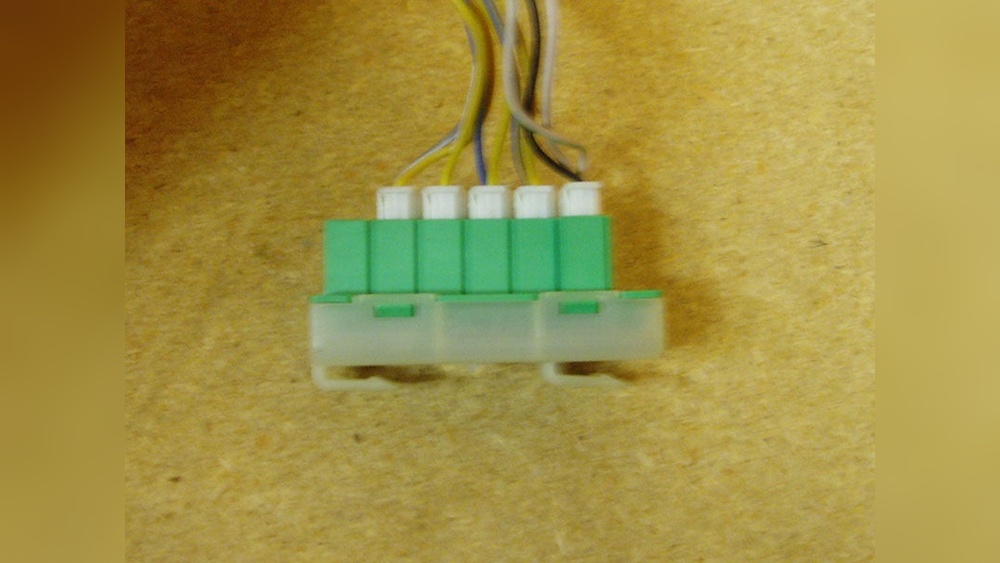
Start by inspecting the wiring harness connected to the oxygen sensor. Look for signs of fraying, melting, or breaks. Damaged wires can disrupt the sensor signal and trigger the code.
Check the connectors for corrosion or loose pins. A poor connection causes false readings or sensor failure. Clean or replace any faulty connectors to restore proper function.
Testing Sensor Resistance
Use a multimeter to measure the oxygen sensor’s resistance. Compare the reading with the manufacturer’s specifications. A reading outside the normal range indicates a failing sensor.
Testing the sensor helps confirm if replacement is necessary. Avoid guessing to prevent extra costs and time spent on repairs.
Inspecting Grounds
Ground wires must be clean and tight. Corroded or loose grounds cause electrical problems that affect sensor signals. Locate the Jeep’s main grounding points, often near the radiator support.
Clean corrosion and tighten all ground connections. This simple step often fixes sensor issues and clears the P0038 code.

Quick Fixes
Quick fixes for the P0038 code on your Jeep often solve the issue fast. These fixes focus on restoring proper sensor function and electrical connections. Simple steps can save time and money before seeking professional help.
Cleaning And Tightening Grounds
Ground points often corrode or loosen over time. Locate the main grounding spots, such as near the radiator support. Clean any rust or dirt with a wire brush. Tighten the bolts to ensure a solid connection. Good grounds help the sensor communicate correctly with the engine control module.
Repairing Wiring Damage
Check wires connected to the oxygen sensor for breaks or burns. Frayed or melted wires cause signal loss or errors. Use electrical tape or heat shrink tubing to cover minor damage. Replace severely damaged wires to restore proper flow. Secure all wiring to avoid future wear or disconnection.
Replacing The Oxygen Sensor
Sometimes the oxygen sensor itself fails. Remove the old sensor with an oxygen sensor socket. Install a new sensor that matches your Jeep’s specifications. Use anti-seize compound on the threads for easy future removal. After replacement, reset the engine control module to clear the code.
When To Replace The Pcm
The Powertrain Control Module (PCM) is a crucial component in your Jeep’s engine system. It manages various functions such as fuel injection, ignition timing, and emissions controls. Sometimes, the PCM can fail or show signs of malfunction. Knowing when to replace the PCM helps avoid further damage and keeps your Jeep running smoothly.
Replacing the PCM is not the first step. Diagnosing the issue carefully is important. Many problems linked to error code P0038 can be due to wiring or sensors. Only after confirming the PCM is faulty should you replace it. This saves time and money.
Signs Of Module Failure
Several symptoms suggest the PCM may be failing. Your Jeep might have trouble starting or may stall unexpectedly. Engine performance can drop, causing rough idling or poor acceleration. Warning lights like the check engine light often come on. Diagnostic trouble codes related to the oxygen sensor heater circuit, such as P0038, can point to PCM issues. Electrical problems like blown fuses or damaged wiring near the PCM may also signal failure.
Sourcing The Right Replacement
Choosing the correct replacement PCM is vital. Your Jeep’s make, model, year, and engine type determine the right part. Using a mismatched PCM can cause new problems or fail to fix existing ones. Always verify the part number with your vehicle identification number (VIN). Many online parts stores offer VIN-matched PCMs for accurate fit and programming. Consider buying from trusted dealers or official sources to ensure quality and compatibility.
Tools And Resources
Working on the P0038 code for your Jeep requires the right tools and reliable resources. These help you diagnose the issue accurately and find the parts you need. Using proper tools can save time and prevent mistakes. Reliable resources offer guidance and support throughout the repair process.
Using Obd-ii Scanners
An OBD-II scanner reads trouble codes from your Jeep’s computer. It helps identify the P0038 code and other related issues quickly. Many scanners connect to your smartphone or tablet via Bluetooth. Some devices offer live data to monitor oxygen sensor performance. Using a scanner allows you to reset codes after repairs. It is a must-have tool for any Jeep owner.
Finding Parts Online
Finding the right oxygen sensor or wiring parts online is easy. Websites like CarParts.com and RockAuto list parts by your Jeep’s make and model. This ensures compatibility and saves time. Reading reviews helps choose quality parts from trusted brands. Ordering online often offers better prices than local stores. Delivery to your door means you can start repairs sooner.
Reference Guides And Forums
Reference guides explain the P0038 code, causes, and fixes in simple terms. Manuals and repair guides show step-by-step instructions. Jeep forums like JeepPatriot.com and JK-Forum provide real user experiences. Forums let you ask questions and get advice from Jeep enthusiasts. These resources help you avoid common mistakes and understand the repair process better.
Preventive Maintenance Tips
Preventive maintenance plays a key role in avoiding the P0038 trouble code on your Jeep. This code signals an issue with the oxygen sensor heater circuit. Regular care helps keep your vehicle running smoothly and stops costly repairs. Simple checks and timely cleaning can prevent sensor faults and wiring problems.
Regular Wiring Inspections
Check your Jeep’s wiring often for signs of wear. Look for frayed, melted, or broken wires near the oxygen sensor. Damaged wiring can cause false signals or sensor failure. Fix any issues quickly to keep the heater circuit working properly. Use a flashlight to see hard-to-reach spots clearly.
Keeping Grounds Clean
Clean ground connections prevent electrical faults and sensor errors. Jeep models like the Patriot and Grand Cherokee often face ground corrosion. Locate main grounding points under the hood, such as near the radiator support. Remove dirt and rust, then tighten connections. A clean ground ensures a steady electrical flow to the sensor.
Scheduled Sensor Checks
Test the oxygen sensor regularly to catch early problems. Use a scanner tool to monitor sensor voltage and heater resistance. Replace the sensor if readings fall outside normal ranges. Scheduled checks avoid sensor burnout and keep emissions low. Follow your Jeep’s maintenance schedule for best results.
Frequently Asked Questions
Where Is The Oxygen Sensor Bank 2 Sensor 2 Located?
The oxygen sensor bank 2 sensor 2 is located on the exhaust pipe after the catalytic converter on the engine’s second bank.
How To Fix A P0038 Code?
To fix a P0038 code, inspect and repair wiring to the oxygen sensor heater circuit. Clean or replace corroded grounds and connectors. Replace the faulty oxygen sensor if needed. Clear the code and test drive to confirm the repair.
What Are The Symptoms Of A P0038 Code?
The P0038 code symptoms include poor engine performance, rough idle, increased fuel consumption, and the Check Engine Light turning on. You may also notice hesitation during acceleration and possible failed emissions tests.
How Much Does It Cost To Fix P0038?
Fixing code P0038 typically costs between $150 and $400. Costs vary by vehicle and repair needed.
Conclusion
The P0038 code in Jeep vehicles points to an issue with the oxygen sensor heater circuit. Fixing wiring problems or cleaning corroded grounds often solves the error. Regular checks can prevent this code from returning. Understanding the causes helps keep your Jeep running smoothly.
Simple maintenance saves time and money. Address the code promptly to avoid engine performance issues. Your Jeep will thank you with better fuel efficiency and fewer emissions. Stay informed and keep your vehicle healthy on every drive.