If you own a 1987 Jeep Wrangler, you might be wondering whether it has a check engine light and what that means for your vehicle. Unlike modern cars, older models like the ’87 Wrangler don’t always have the same dashboard warning systems you’re used to.
So, if you notice a light on your dash or suspect engine trouble, how can you tell what’s going on? Understanding whether your Jeep has a check engine light—and how to read any warning signals—can save you time, money, and stress down the road.
Keep reading to learn exactly what to expect from your 1987 Jeep Wrangler’s warning indicators and what steps you can take if something feels off under the hood.
Check Engine Light On 1987 Jeep Wrangler
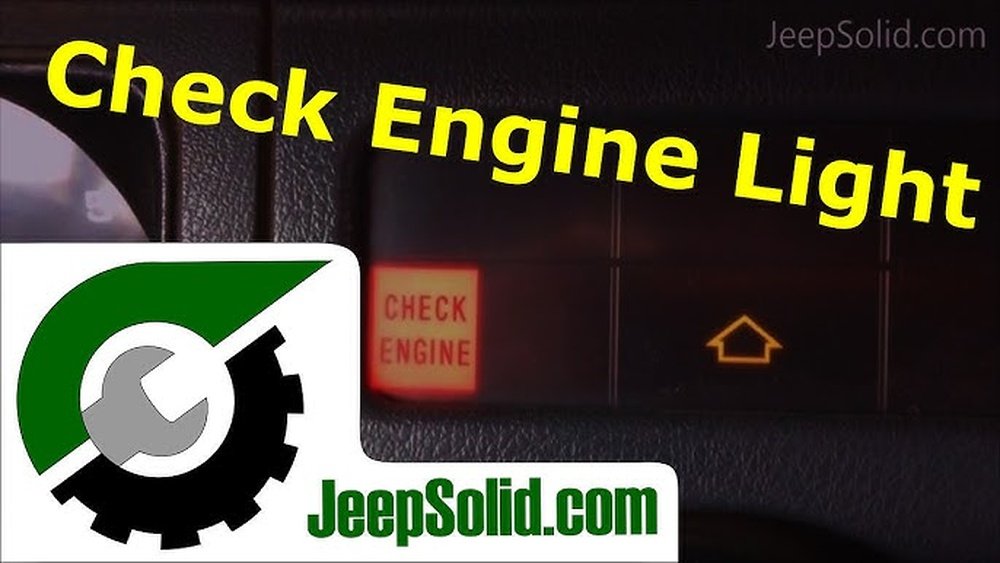
The 1987 Jeep Wrangler does not have a traditional check engine light like modern vehicles. This model uses a different system to alert drivers about engine issues. Understanding these differences helps Jeep owners maintain their vehicles properly. The warning lights and indicators in the 1987 Jeep Wrangler vary from today’s standard check engine lights.
Factory Installation Status
The 1987 Jeep Wrangler was not equipped with a factory-installed check engine light. Jeep used simpler engine management systems during that time. Instead of a check engine light, drivers relied on other methods to detect engine problems. This design choice reflected the technology available in the late 1980s.
Renix Engine Indicator Lights
Many 1987 Wranglers used the Renix engine control system. This system had indicator lights, but they were not the same as a check engine light. The Renix system featured warning lights for issues like oil pressure or charging system faults. It did not provide detailed engine error codes through a light.
Maintenance Light Vs Check Engine Light
Some 1987 Jeep Wranglers have a maintenance reminder light. This light signals routine service needs, not engine faults. It is easy to confuse this with a check engine light. The maintenance light is controlled by mileage or time intervals, unlike a check engine light that responds to sensor data.

Reading Codes Without A Check Engine Light
The 1987 Jeep Wrangler does not have a traditional check engine light like modern cars. Instead, it uses a different system to communicate engine trouble codes. Reading codes requires a manual process without relying on a warning light on the dashboard. Understanding this method helps diagnose engine issues effectively.
Manual Code Retrieval Process
To read engine codes on a 1987 Jeep Wrangler, you must access the vehicle’s diagnostic system directly. This process involves using the ignition key to trigger the system to display trouble codes. The codes are shown through flashes of a light, not a steady check engine light.
Using Ignition Key Flashes
Turn the ignition key on and off in a specific pattern to start code retrieval. For example, quickly switch the key from off to on three times. After this, the system will flash a light on the dash or under the hood. Count the flashes to identify the code numbers, with pauses separating each code.
Common Fault Code Examples
Some common codes include:
- Code 12: System OK, no faults detected.
- Code 21: Oxygen sensor circuit issue.
- Code 31: Ignition system problem.
- Code 42: Fuel injector fault.
Each code helps pinpoint the exact problem in the engine or electrical system. Reading these codes helps Jeep owners maintain and repair their vehicles without a check engine light.
Common Causes For Warning Lights
Warning lights alert drivers to potential problems under the hood. The 1987 Jeep Wrangler does not have a traditional check engine light like modern cars. Instead, it uses other indicators and systems to show warnings. Understanding common causes for these warnings helps maintain your Jeep’s performance and safety.
Typical Issues In 1987 Jeep Wrangler
The 1987 Jeep Wrangler often faces problems with the engine and fuel systems. Old wiring and parts can cause faults. Engine roughness, stalling, or poor fuel economy are common signs of trouble. These issues may trigger warning signals or affect engine behavior.
A loose or damaged gas cap can cause fuel vapor leaks. These leaks may lead to emissions warnings in vehicles with emission control systems. Although the 1987 Wrangler has limited emission controls, fuel system leaks can still affect engine performance. Checking and tightening the gas cap is an easy fix for these alerts.
Electrical And Sensor Failures
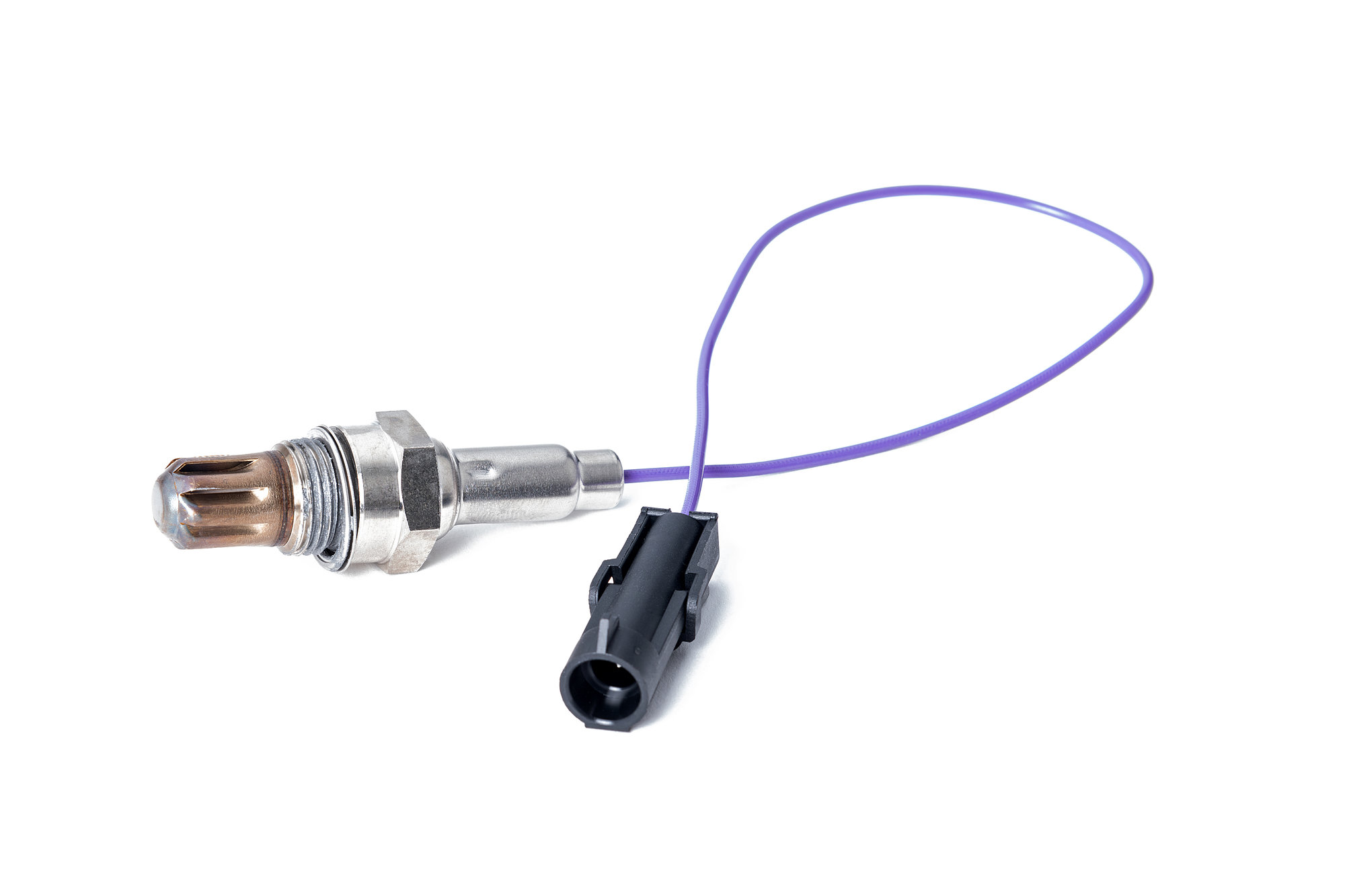
Electrical problems and sensor failures are frequent in older Jeeps. Faulty sensors can send incorrect data to the engine control module. This may cause poor engine running or trigger warning lights in later models. Corroded wiring, bad connections, or worn sensors often need attention to restore proper function.
Diagnosing Engine Problems
The 1987 Jeep Wrangler does not have a traditional check engine light. This can make diagnosing engine issues harder. Drivers need to watch for other signs to catch problems early. Understanding common symptoms helps prevent bigger repairs.
Knowing how to check fuel injection and the engine control module (ECM) is key. Some issues show up as delayed starts or no starts. Identifying these signs quickly can save time and money.
Delayed Or No Start Symptoms
A delayed start means the engine cranks but takes time to fire up. A no start means the engine does not turn on at all. These symptoms often indicate fuel or electrical problems. Check the battery and ignition system first. Listen for unusual sounds during starting attempts.
Fuel Injection And Ecm Checks
The 1987 Jeep uses a Renix fuel injection system and an ECM. These parts control engine functions without a check engine light. Testing fuel injectors for clogs or leaks is important. The ECM can fail or lose connection, causing poor engine performance. Use diagnostic tools to check the ECM status if available.
When To Seek Professional Help
If basic checks do not find the problem, visit a mechanic. Complex issues with the fuel system or ECM need expert tools. Professionals can read hidden fault codes or test parts safely. Avoid driving too long with engine problems to prevent damage. Early help keeps your Jeep running smoothly.
Clearing Codes And Lights
Clearing codes and lights is an important step when dealing with vehicle diagnostics. For a 1987 Jeep Wrangler, understanding this process helps maintain the vehicle’s performance. It also helps avoid unnecessary worry about warning signals. This section explains how to clear codes and lights, focusing on practical methods and tools.
Reset Methods Without Repairs
Some drivers try to reset codes without fixing the problem. This can be done by disconnecting the battery for a few minutes. Another way is to use the ignition key method, turning it on and off in a certain sequence. These methods erase the stored codes temporarily. But the issue might still exist under the hood. Clearing codes without repairs can hide warning signs, leading to bigger problems later.
Pros And Cons Of Clearing Codes
Clearing codes can stop the check engine light from flashing. This helps confirm if the problem is fixed after repairs. It also makes the dashboard look clean again. On the downside, it may hide serious issues if done without fixing faults. The vehicle may fail emissions tests if the codes are reset too soon. Clearing codes should be done carefully, with full knowledge of the problem.
Tools For Resetting Lights
Modern scan tools can read and clear engine codes easily. Some tools connect to the Jeep’s diagnostic port. They show the exact fault causing the light to come on. Basic code readers are affordable and easy to use. More advanced devices offer detailed diagnostics and live data. Using the right tool saves time and helps maintain your Jeep properly. Always choose a tool compatible with older Jeep models like the 1987 Wrangler.
Driving With A Warning Light On
Driving a 1987 Jeep Wrangler with a warning light on raises several concerns. These vehicles typically do not have a traditional check engine light. Instead, they might have maintenance or fault indicator lights. Understanding the risks of driving with any warning light on is important. It affects safety, performance, and legal compliance.
Safety Considerations
Warning lights signal potential problems that may affect vehicle safety. Ignoring them can lead to sudden breakdowns or accidents. Mechanical failures might happen without notice. It is best to stop and check the vehicle soon. Driving cautiously reduces risks but does not eliminate them.
Impact On Vehicle Performance
A warning light can indicate engine or system issues. These problems may reduce fuel efficiency and power. The Jeep might run rough or stall unexpectedly. Continued driving might worsen damage and increase repair costs. Timely diagnosis helps maintain good vehicle performance.
Legal And Emissions Concerns
Older Jeeps like the 1987 Wrangler may not have strict emission controls. Still, some states require vehicles to pass emissions tests. Ignoring warning lights could cause a failed test. This can lead to fines or registration problems. Keeping the vehicle in good condition avoids legal trouble.
Frequently Asked Questions
What Is The Most Common Check Engine Light On A Jeep Wrangler?
The most common check engine light on a Jeep Wrangler indicates an oxygen sensor or catalytic converter issue.
How To Clear A Check Engine Light Without Fixing The Problem?
Use an OBD-II scanner or disconnect the car battery for 15 minutes to reset the check engine light. This does not fix the issue.
Can I Drive My Jeep With The Engine Light On?
Driving your Jeep with the engine light on is possible but not recommended. Get the issue diagnosed promptly to avoid damage.
What Is The Most Common Cause For A Check Engine Light To Come On?
The most common cause for a check engine light is a loose or faulty gas cap. It triggers fuel system issues.
Conclusion
The 1987 Jeep Wrangler does not have a traditional check engine light. Instead, it uses a maintenance light or flashing codes for issues. To diagnose problems, owners must count flashes or use special tools. This system differs from modern vehicles.
Knowing this helps Wrangler owners handle car troubles better. Regular maintenance remains key for keeping your Jeep running well. Understanding your Jeep’s unique system saves time and money. Stay aware and check your vehicle often for any warning signs.