If you drive a Jeep Wrangler, knowing how to use 4WD Low is important for tough off-road trails and situations where extra traction is needed. Many people are unsure about when and how to switch to this mode. Doing it wrong can damage your Jeep or leave you stuck. This article will walk you through each step, explain what 4WD Low is, and share tips most beginners miss. Whether you’re a new owner or just want to feel more confident, you’ll learn everything you need to safely use your Jeep’s full capabilities.
What Is 4wd Low And When Should You Use It?
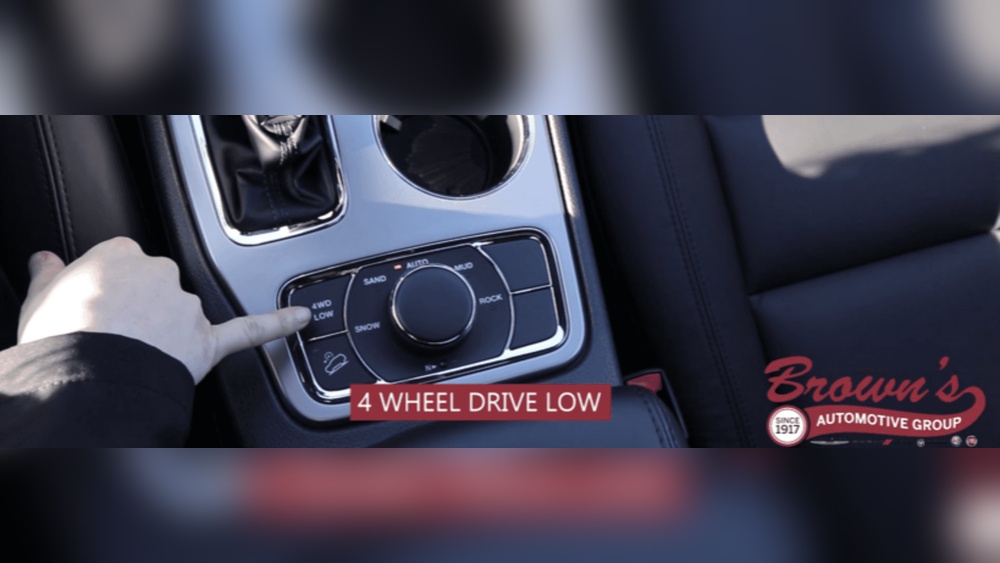
4WD Low (Four-Wheel Drive Low) is a special setting that gives your Jeep more torque but less speed. It’s designed for rough terrain, deep sand, snow, mud, rocks, or steep hills. You should use 4WD Low when you need maximum power at low speeds, not for everyday driving.
Here are common situations where 4WD Low is useful:
- Climbing or descending steep hills
- Driving through deep mud or loose sand
- Rock crawling on rough trails
- Pulling a heavy trailer at slow speeds
It’s important to note that using 4WD Low on dry pavement can damage your Jeep’s drivetrain. Always make sure you’re on slippery or uneven surfaces before shifting.
Understanding Jeep Wrangler 4wd Systems
Not all Jeep Wranglers have the same 4WD system. Some have a lever, others use a knob or switch. Here’s a quick comparison of common Wrangler 4WD systems:
| Model Year | 4WD Selector Type | Main Modes |
|---|---|---|
| 2007–2017 (JK) | Manual lever | 2H, 4H, N, 4L |
| 2018–present (JL) | Manual lever or knob | 2H, 4H, N, 4L |
| Older models | Manual lever | 2H, 4H, N, 4L |
- 2H: Two-wheel drive, for normal roads
- 4H: Four-wheel drive high, for slippery roads at regular speed
- N: Neutral, disconnects drivetrain
- 4L: Four-wheel drive low, for slow, tough off-road conditions
Many beginners forget to check their owner’s manual for the right method, which can vary slightly by year and trim.

How To Put Jeep Wrangler In 4wd Low: Step-by-step
Switching your Jeep Wrangler into 4WD Low is easy if you follow these simple steps. Always make sure you’re stopped or moving very slowly before shifting.
1. Slow Down Or Stop Completely
For most Wranglers, you should be rolling at less than 2–3 mph, or be fully stopped. Shifting at higher speeds can damage the transfer case.
2. Shift The Transmission To Neutral (n)
This step is crucial. With the transmission in neutral, you avoid binding and make it easier to shift the transfer case. Many people forget this and force the lever, which can lead to expensive repairs.
- Move the 4WD Selector to 4L
- If you have a manual lever, pull firmly from 2H/4H through Neutral (N) into 4L in one smooth movement. Don’t pause in Neutral.
- If you have a rotary knob or switch, turn it to 4L as instructed in your manual.
- Wait for the Indicator Light
A 4WD Low light should come on the dashboard. This confirms the system is engaged. If the light flashes or doesn’t come on, repeat the steps.
5. Shift Transmission Back To Drive (d) Or 1st Gear
Now you’re ready to move slowly in 4WD Low. Only use this mode at low speeds (usually under 25 mph).
Common Mistakes When Shifting To 4wd Low
- Forgetting to shift the transmission to neutral. The system often won’t engage if you skip this.
- Trying to shift while driving fast. Always slow down to a crawl or stop.
- Using 4WD Low on dry pavement. This can cause drivetrain damage.
Here’s a quick reference for shifting:
| Step | Manual Transmission | Automatic Transmission |
|---|---|---|
| 1 | Stop or roll slowly | Stop or roll slowly |
| 2 | Clutch in, shift to N | Shift to N |
| 3 | Move 4WD lever to 4L | Move 4WD lever to 4L |
| 4 | Shift to 1st or 2nd gear | Shift to D |
Tips For Using 4wd Low Safely
- Only use 4WD Low on slippery, uneven, or loose surfaces.
- Avoid sharp turns, which can put stress on the drivetrain.
- After using 4WD Low, shift back to 2H or 4H when you return to normal roads.
- Listen for odd noises. If you hear grinding, stop and check your shifting process.
- Practice shifting in a safe, open area before you need it on a trail.
A common beginner mistake is not practicing before going off-road. Try engaging 4WD Low in your driveway or a parking lot to build confidence.

What To Do If 4wd Low Won’t Engage
Sometimes, 4WD Low doesn’t engage right away. Here’s what you can try:
- Make sure you’re fully stopped and the transmission is in neutral.
- Try rolling forward or backward a few inches.
- Double-check that you’re moving the selector all the way into 4L.
- If the 4WD Low light still flashes or stays off, consult your owner’s manual or a mechanic.
If you force the lever or knob, you risk breaking the transfer case. Patience and gentle movements are key.
Real-world Example
Imagine you’re on a steep, rocky hill. You stop your Jeep Wrangler, shift to neutral, and move the 4WD lever smoothly into 4L. The light on your dashboard comes on. Now, you can crawl up the hill with control and avoid wheel spin.
Many new Jeep owners learn this the hard way—by getting stuck or damaging their vehicle. Take time to learn your Jeep’s system before heading out.
Frequently Asked Questions
How Fast Can I Drive In 4wd Low?
You should stay under 25 mph in 4WD Low. This mode is for slow, careful driving, not for speed.
Can I Shift To 4wd Low While Moving?
Only at a crawl (under 2–3 mph). It’s safer to stop, shift to neutral, then engage 4WD Low.
What’s The Difference Between 4wd High And 4wd Low?
4WD High is for slippery roads at regular speeds. 4WD Low gives you more torque for rough, slow driving.
Why Does My Jeep Make Noise When Shifting Into 4wd Low?
Some noise is normal, but grinding or loud clunks can mean you didn’t shift correctly. Always be gentle and follow the steps.
Where Can I Learn More About Off-roading With My Jeep?
The official Jeep Off-Road Guide offers great tips and videos for beginners.
Mastering your Jeep Wrangler’s 4WD Low system gives you the power to tackle tough trails safely. Take your time to understand and practice these steps, and you’ll be ready for any adventure.