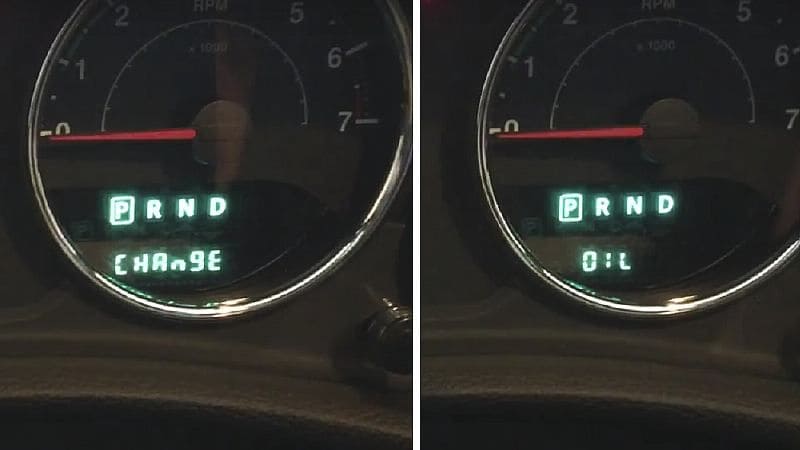
If you own a 2014 Jeep Wrangler, you may notice an “Oil Change Required” message or an oil life percentage on your dashboard. This feature helps remind you when your next oil change is due. But after changing the oil, the system doesn’t reset automatically—you need to reset the oil life indicator yourself. Forgetting this step can lead to confusion about your next oil change and might even cause you to skip important maintenance. Resetting the oil life is a simple process you can do in your driveway, with no tools or special knowledge required. Understanding this process can help you keep your Jeep running smoothly and avoid unnecessary trips to the mechanic.
Why Resetting Oil Life Matters
The oil life monitor in your 2014 Jeep Wrangler tracks driving conditions, engine starts, and mileage to estimate oil quality. It doesn’t measure the oil directly. If you don’t reset this system after changing your oil, it will show incorrect maintenance data. This can lead to:
- Missed oil changes because the system still thinks the oil is fresh.
- Unnecessary oil changes if the system shows low oil life after a recent service.
- Dashboard warnings that distract or annoy you.
Resetting ensures your vehicle’s computer gives you accurate reminders, helping you protect your engine and avoid costly repairs.
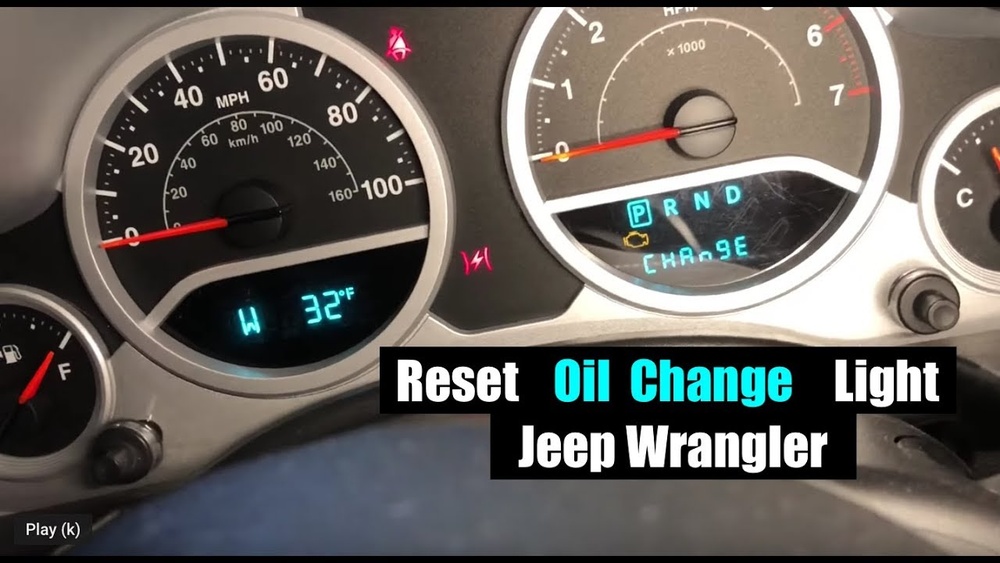
How To Reset Oil Life On A 2014 Jeep Wrangler
You don’t need any special tools or mechanical skills to reset the oil life. Just follow these steps:
- Turn the ignition to “ON” (don’t start the engine). Insert your key and turn it to the “ON” position, which is just before the engine starts. All dashboard lights will come on.
- Slowly press the gas pedal three times within 10 seconds. Push the pedal all the way to the floor and release each time.
- Wait for the system to reset. After the third press, wait a few seconds. The oil life light or message should turn off.
- Turn the ignition off. Remove the key.
- Check your work. Turn the ignition back to “ON” (without starting the engine) and see if the oil life message is gone.
If the message remains, repeat the steps. Sometimes, the system doesn’t register all three pedal presses, especially if they’re too fast or slow.
Extra Tips
- Do not start the engine while resetting.
- Make sure you press the pedal all the way down.
- If you still see the warning after two attempts, check your owner’s manual or contact a Jeep dealer.
Common Mistakes To Avoid
Many Jeep owners make simple errors when resetting oil life:
- Pressing the pedal too quickly or slowly: The sequence should be steady and completed within 10 seconds.
- Not turning the ignition to ON: Some try to reset with the engine running or with accessories only.
- Missing pedal presses: Failing to press the pedal all the way down can prevent the reset.
If you keep running into issues, it’s a good idea to double-check that you’re following each step correctly. You can also see the official reset process on the Jeep Owner’s Manual.
When Should You Reset Oil Life?
Always reset the oil life indicator right after an oil change. Do not reset it at other times, as this could lead to incorrect maintenance tracking. For most 2014 Jeep Wranglers, the recommended oil change interval is every 5,000 to 7,500 miles. However, if you drive in harsh conditions (towing, off-road, short trips), you may need more frequent changes.
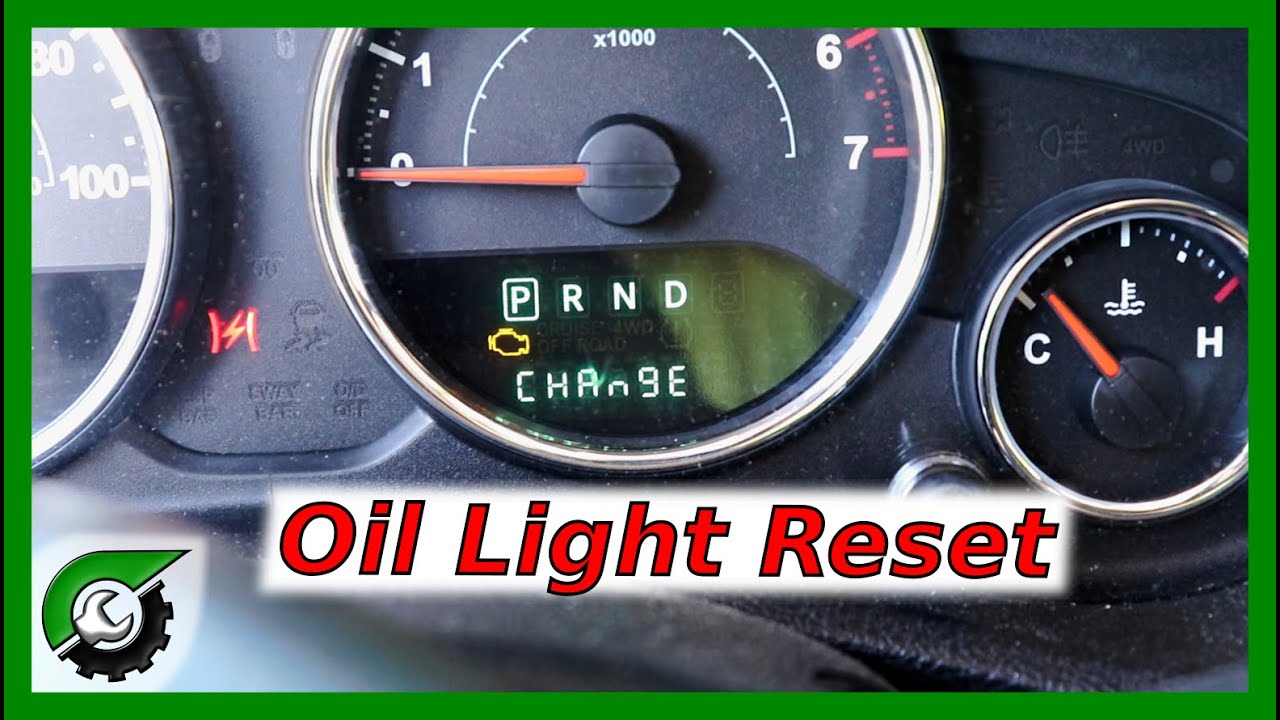
Oil Life Indicator Vs. Oil Change Interval
Some owners wonder if they can trust the oil life system instead of following a set mileage. Here’s a comparison:
| Oil Life Indicator | Set Mileage Interval |
|---|---|
| Adapts to driving habits | Fixed schedule (e.g., every 5,000 miles) |
| May extend or shorten oil life | Does not consider conditions |
| Requires reset after each oil change | No reset needed |
Both methods are valid. Many experts recommend using the oil life indicator but also checking your oil level and condition manually between changes.
What If The Oil Life Reset Fails?
If you’ve repeated the steps and the oil life message stays on, try these troubleshooting tips:
- Check your steps: Ensure you’re pressing the pedal fully and in the correct sequence.
- Battery voltage: If your battery is weak, the system might not register the reset.
- Software issues: Rarely, the vehicle computer may need a professional scan or software update.
If problems continue, visit your local Jeep dealer or a certified mechanic.
Other Maintenance Reminders
The oil life system is only one part of your Jeep’s maintenance. Don’t ignore other reminders, such as:
- Tire rotation
- Brake checks
- Fluid top-ups
Keeping a simple log or using a maintenance app can help you stay on top of all service needs.
Quick Reference: Oil Life Reset Steps
Here’s a summary for quick access:
| Step | Action |
|---|---|
| 1 | Turn ignition to ON |
| 2 | Press gas pedal fully 3 times in 10 seconds |
| 3 | Wait a few seconds |
| 4 | Turn ignition off |
| 5 | Check that oil life reset |
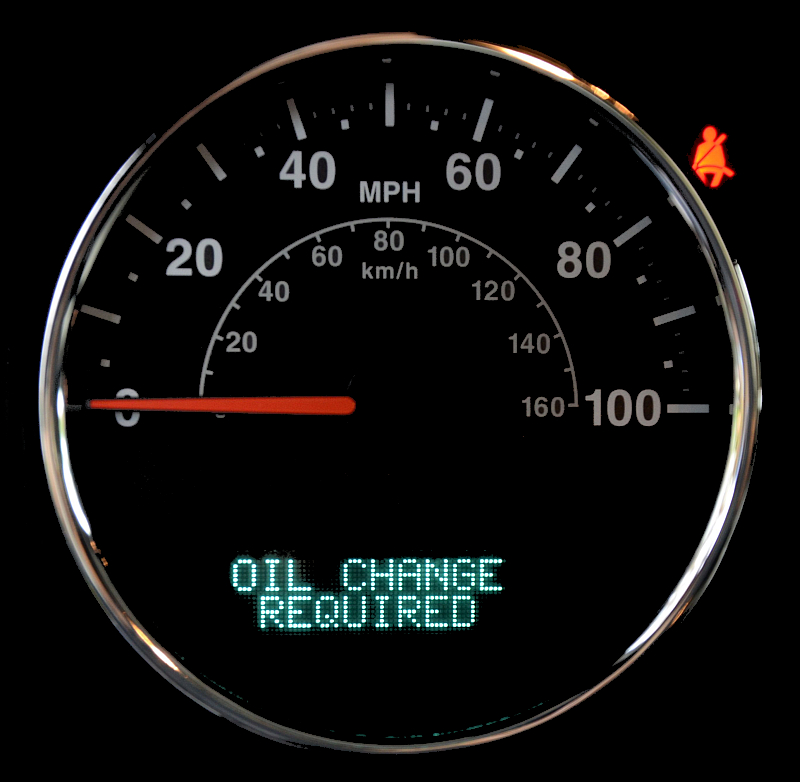
Resetting After Diy Oil Changes
If you change your own oil, always remember to:
- Use the correct oil type (SAE 5W-20 is common for 2014 Wranglers).
- Replace the oil filter.
- Dispose of used oil safely.
Resetting the oil life is your final step to complete the job.
Frequently Asked Questions
How Often Should I Change The Oil In My 2014 Jeep Wrangler?
Most 2014 Jeep Wranglers need an oil change every 5,000 to 7,500 miles. Check your owner’s manual for your driving conditions.
Can I Reset Oil Life Before Changing The Oil?
No, you should only reset the oil life after changing the oil. Resetting early can cause you to miss needed maintenance.
Why Is My Oil Life Not Resetting?
Common reasons include not pressing the gas pedal fully, doing the steps too quickly or slowly, or not turning the ignition to ON. Repeat the process carefully.
Will A Mechanic Reset The Oil Life For Me?
Most mechanics reset oil life as part of an oil change service, but it’s good to check before you leave the shop.
Does Oil Life Mean Oil Level?
No, oil life measures oil quality, not the actual oil level. Always check your dipstick to make sure the level is correct.
Resetting the oil life on your 2014 Jeep Wrangler is a quick task that keeps your maintenance schedule accurate and your engine protected. With the right steps, you’ll avoid confusion and keep your Jeep performing at its best.