If you’re seeing the P0455 code pop up on your Jeep Wrangler, you’re probably wondering what it means and how serious it is. This code signals a large leak in your vehicle’s evaporative emission (EVAP) system—a key part that keeps fuel vapors from escaping into the air.
Ignoring it can lead to poor fuel efficiency, increased emissions, and even trouble passing emissions tests. But don’t worry—understanding what causes this code and how to fix it can save you time and money. Keep reading to learn exactly what P0455 means for your Jeep Wrangler, how to check for common problems, and simple steps to get your rig back on the road safely.
P0455 Code Basics
The P0455 code signals a large leak in the EVAP system of your Jeep Wrangler. This system stops fuel vapors from escaping into the air. The code means the onboard computer found a big leak in this system. Understanding this code helps in fixing the issue quickly and preventing damage.
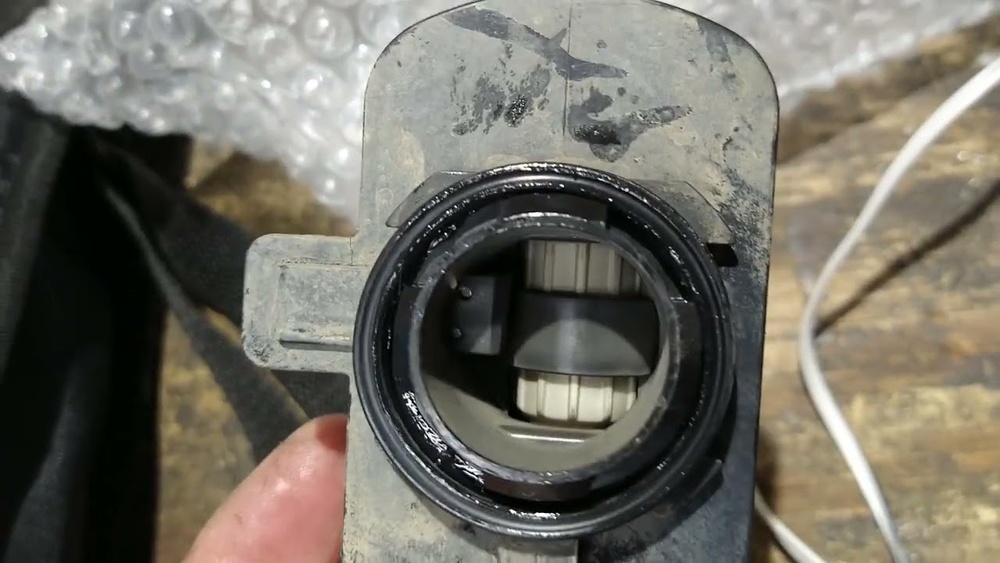
The EVAP system is important for your Jeep’s emission control. A P0455 code shows it is not working right. This can affect your Jeep’s performance and fuel efficiency. Knowing the basics of this code helps Jeep owners address problems early.
What P0455 Means
The P0455 code means there is a large leak in the EVAP system. The EVAP system stores fuel vapors from the gas tank. It keeps these vapors from escaping into the environment. When the system detects a big leak, it sets the P0455 code.
This leak is bigger than a small crack or loose gas cap. The onboard computer runs tests to check for leaks. If it finds a large leak, it triggers the check engine light and stores the code.
Common Causes In Jeep Wrangler
A loose or damaged gas cap is the most common cause of P0455. The cap may not seal the tank properly, letting vapors escape. Other causes include cracks or holes in the EVAP hoses.
The charcoal canister or vent valve may also fail. These parts control vapor flow and can cause leaks if broken. Sometimes, the fuel tank itself has damage that causes the leak.
Regular inspection of these parts helps prevent this code. Fixing the cause stops the leak and turns off the check engine light.

Identifying Evap Leak Signs
Identifying EVAP leak signs in your Jeep Wrangler is crucial for maintaining its performance. The EVAP system traps fuel vapors and stops them from escaping into the air. A P0455 code means a large leak or “gross leak” is present. Catching the signs early can save repair costs and prevent bigger problems.
Symptoms To Watch For
One common symptom is the check engine light turning on. You may also notice a strong smell of gasoline around the vehicle. The gas cap might feel loose or damaged. Sometimes, the engine runs rough or stalls during idle. Fuel efficiency could drop without other clear reasons. These signs suggest the EVAP system is leaking.
Is It Safe To Drive?
Driving with a P0455 code is usually safe for short trips. The leak means fuel vapors escape, but it rarely affects engine power immediately. Long drives with a large EVAP leak can lead to poor fuel economy and higher emissions. Avoid extended driving until the issue is fixed. Have a mechanic check the EVAP system soon to prevent further damage.
Fuel Cap Inspection
Fuel cap inspection plays a key role in fixing the P0455 code on a Jeep Wrangler. This code signals a large leak in the EVAP system. The fuel cap often causes this leak. Checking the cap for damage or wear can solve the problem quickly. Let’s explore how to inspect your fuel cap properly.
Checking The Gas Cap Seal
Start by removing the fuel cap from your Jeep Wrangler. Look closely at the rubber seal around the cap. Check for cracks, tears, or dry spots. These signs mean the seal cannot hold pressure. A damaged seal lets fuel vapors escape, triggering the P0455 code.
Also, clean the seal gently with a soft cloth. Dirt or debris can stop the cap from sealing well. After cleaning, screw the cap back on tightly. It should click or feel snug. A loose cap can cause leaks too.
Replacing A Faulty Cap
If the seal is broken or the cap is old, replace it with a new one. Make sure the new cap fits your Jeep Wrangler model. A proper fit ensures the EVAP system stays sealed. Buy caps from trusted sources to avoid poor quality parts.
After replacing the cap, clear the error code with a scanner or by disconnecting the battery for a short time. Drive your Jeep for a few miles to see if the code returns. A new, good cap often fixes the P0455 error.
Evap System Components To Check
The P0455 error code on a Jeep Wrangler indicates a large leak in the EVAP system. This system stops fuel vapors from escaping into the air. Checking the EVAP components can help find the leak source. Each part plays a key role in sealing the system. Look closely at these components to spot issues early. Proper inspection saves time and money on repairs.
Purge Valve Location And Testing
The purge valve sits under the hood near the intake manifold. It often lies in front of the brake booster. To test it, disconnect the valve and apply vacuum. The valve should open and close properly. A stuck valve can cause the P0455 code. Replace it if it fails the vacuum test.
Charcoal Canister And Vent Valve
The charcoal canister stores fuel vapors temporarily. It is usually near the rear of the vehicle. The vent valve controls air flow in and out of the canister. Dirt or damage can block the valve. Check for cracks or leaks on both parts. Clean or replace them to keep the system sealed.
Evap Hoses And Lines
EVAP hoses connect all system parts and carry vapors. Inspect hoses for cracks, splits, or loose connections. Small holes can cause large leaks triggering the P0455 code. Use soapy water to find leaks; bubbles appear where air escapes. Replace any damaged hoses to fix the leak quickly.
Performing A Smoke Test
Performing a smoke test is a reliable way to find leaks causing the P0455 code on your Jeep Wrangler. This test uses smoke to spot cracks or holes in the EVAP system. The smoke flows through the system and escapes from any leak points. Mechanics and DIYers use this method because it quickly shows where the problem lies.
Purpose And Preparation
The smoke test helps detect leaks in the EVAP system. These leaks let fuel vapors escape, triggering the P0455 code. Before starting, gather a smoke machine, safety glasses, and gloves. Park your Jeep in a well-ventilated area. Make sure the engine is cool and the gas cap is tight. Disconnect the EVAP canister vent valve to connect the smoke machine hose. This step ensures smoke flows through the entire system.
Detecting Leak Locations
Turn on the smoke machine and watch for smoke escaping from any part. Common leak spots include hoses, the gas tank, and the charcoal canister. Smoke coming from cracks or loose fittings reveals where repairs are needed. Check the gas cap seal carefully, as a worn seal often causes leaks. Mark the leak locations for easy repair. This test saves time and money by pinpointing the exact problem area.

Quick Fixes For Common Issues
Quick fixes can save time and money when dealing with the P0455 code on a Jeep Wrangler. This code signals a large leak in the EVAP system. The EVAP system stops fuel vapors from escaping into the air. Small issues like loose hoses or valves often cause this problem. Simple repairs can clear the code and restore your Jeep’s performance.
Replacing Damaged Hoses
Check all EVAP hoses for cracks or holes. Damaged hoses let vapors escape, triggering the P0455 code. Remove broken hoses carefully to avoid further damage. Use OEM or high-quality replacement hoses for the best fit. Attach new hoses firmly to prevent leaks. After replacement, test the system to ensure no leaks remain.
Repairing Or Swapping Valves
Faulty purge or vent valves cause large EVAP leaks. Locate the valves near the intake manifold or charcoal canister. Test valve operation by applying vacuum or using a scan tool. Replace valves that stick or fail to open and close properly. Installing new valves restores proper vapor flow and stops leaks. Clear the error code after repair to check if the fix worked.
Sealing Loose Connections
Loose EVAP system connections allow fuel vapors to escape. Inspect all hose clamps and fittings for tightness. Tighten loose clamps with a screwdriver or wrench. Use dielectric grease on electrical connectors to improve seal and prevent corrosion. Replace worn or missing seals and gaskets immediately. Securing connections often stops the P0455 code from returning.
When To Seek Professional Help
Knowing when to seek professional help for the P0455 Jeep Wrangler code is key. This code signals a large leak in the EVAP system. Some fixes are easy, but others need expert skills. Acting at the right time prevents bigger damage and saves money.
Below are signs that show a professional mechanic should handle the problem.
Complex Evap Repairs
EVAP systems have many parts like valves and hoses. Finding the exact leak spot can be tricky. Professionals use special tools to test the system pressure. They can replace faulty parts safely. Attempting complex repairs without skills may cause more harm.
Some repairs need the vehicle to be lifted or parts to be removed carefully. Mechanics know how to work on these hard-to-reach spots. They ensure the system works perfectly after repair. This helps clear the P0455 code for good.
Cost Considerations
DIY repairs can save money but might miss hidden issues. Professional repairs may cost more upfront. Still, they prevent repeated problems and costly breakdowns later. Reliable fixes extend your Jeep’s life and improve fuel efficiency.
Mechanics also provide warranties for their work. This adds extra peace of mind. Consider the total cost of parts, tools, and your time. Professional help often proves more cost-effective over time.
Preventing Future Leaks
Preventing future leaks in your Jeep Wrangler’s EVAP system is key to avoiding the P0455 error code. Regular care helps keep your vehicle running smoothly. It also saves money on costly repairs later. Simple habits can protect your Jeep from leaks. A few smart steps go a long way.
Regular Maintenance Tips
Check your gas cap often. A loose or damaged cap can cause leaks. Tighten it securely after refueling. Inspect the rubber seal for cracks or wear. Replace the cap if it shows damage.
Keep the EVAP system clean. Dirt and debris can block valves and hoses. Clean the area under the hood regularly. Check hoses for cracks or loose connections. Replace any parts that look worn or broken.
Listen for strange smells or sounds. These can signal leaks or valve issues. Test the system with a diagnostic tool yearly. Early detection helps prevent bigger problems.
Using Quality Replacement Parts
Choose parts made for your Jeep Wrangler. OEM or trusted aftermarket parts fit better. They last longer and work properly. Avoid cheap or generic parts that fail quickly.
Replace valves, hoses, and seals with high-quality items. They resist wear and heat better. This lowers the chance of leaks returning. Proper parts keep your EVAP system tight.
Ask your mechanic for advice on parts. Use parts designed for the specific model and year. This ensures compatibility and durability. Quality parts protect your Jeep’s performance.
Frequently Asked Questions
How Do I Fix A P0455 Code?
To fix a P0455 code, check and tighten the gas cap first. Inspect EVAP hoses and valves for leaks or damage. Replace faulty parts. Clear the code and test drive to confirm the issue is resolved.
Is An Evap Leak Expensive To Fix?
An EVAP leak repair cost varies but usually ranges from $100 to $400. Minor leaks cost less; major repairs are pricier.
What Is The Most Common Cause Of A P0455 Code?
The most common cause of a P0455 code is a loose or faulty gas cap. It causes a large EVAP system leak.
How Serious Is A Large Evap Leak?
A large EVAP leak allows fuel vapors to escape, harming the environment and reducing fuel efficiency. It can trigger the check engine light and may cause failed emissions tests. Prompt repair prevents damage to the fuel system and ensures proper vehicle operation.
Conclusion
The P0455 code means a large leak in your Jeep Wrangler’s EVAP system. This leak lets fuel vapors escape, which harms the environment. Common causes include a loose or damaged gas cap, cracked hoses, or a faulty vent valve. Fixing it soon helps your Jeep run better and avoid more damage.
Regularly check the gas cap and EVAP parts for wear. Taking quick action saves time and money. Stay safe and keep your Jeep in good shape by addressing this issue right away.