Owning a Jeep Cherokee is an adventure in itself. Whether you’re planning a weekend off-road trip or facing slippery roads in winter, knowing how to use the 4WD system makes a big difference. Many drivers are unsure when or how to engage 4WD, especially because the Cherokee offers several models and drive types. This guide will help you safely and confidently put your Jeep Cherokee in 4WD, avoid common mistakes, and understand the system better. With clear steps and simple explanations, you’ll get the most from your Jeep—no matter the terrain.
Understanding Jeep Cherokee 4wd Systems
Jeep Cherokee models come with different 4WD setups. Before you engage 4WD, it’s important to know which system your Cherokee uses. The main types are Active Drive I, Active Drive II, and Active Drive Lock. These systems are found in recent Cherokees, while older models may use Command-Trac or Selec-Trac.
Here’s a comparison of Cherokee 4WD systems:
| System | How It Works | Main Purpose |
|---|---|---|
| Active Drive I | Automatic, no manual switch | Everyday driving, light off-road |
| Active Drive II | Manual 4WD Low mode | Rough terrain, deep snow |
| Active Drive Lock | Manual 4WD Low + rear locker | Serious off-roading |
| Selec-Trac | Manual 4WD selection | Varied conditions |
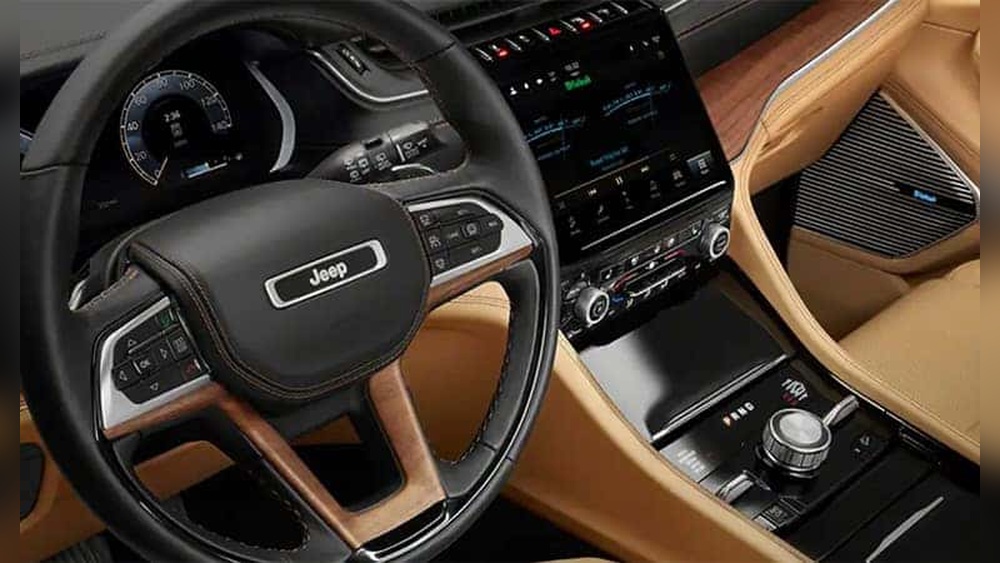
If you’re not sure which system your Jeep has, check your owner’s manual or the dashboard controls. Automatic systems handle most conditions without driver input. Manual systems need you to select 4WD modes yourself.
How To Put Jeep Cherokee In 4wd
The steps to engage 4WD depend on your Cherokee’s model and system. Follow these instructions based on your system:
For Automatic 4wd (active Drive I)
- No manual action needed. The system senses wheel slip and engages 4WD automatically.
- Just drive normally. If you encounter snow, mud, or gravel, the system will activate 4WD when needed.
For Manual 4wd (active Drive Ii, Selec-trac, Older Models)
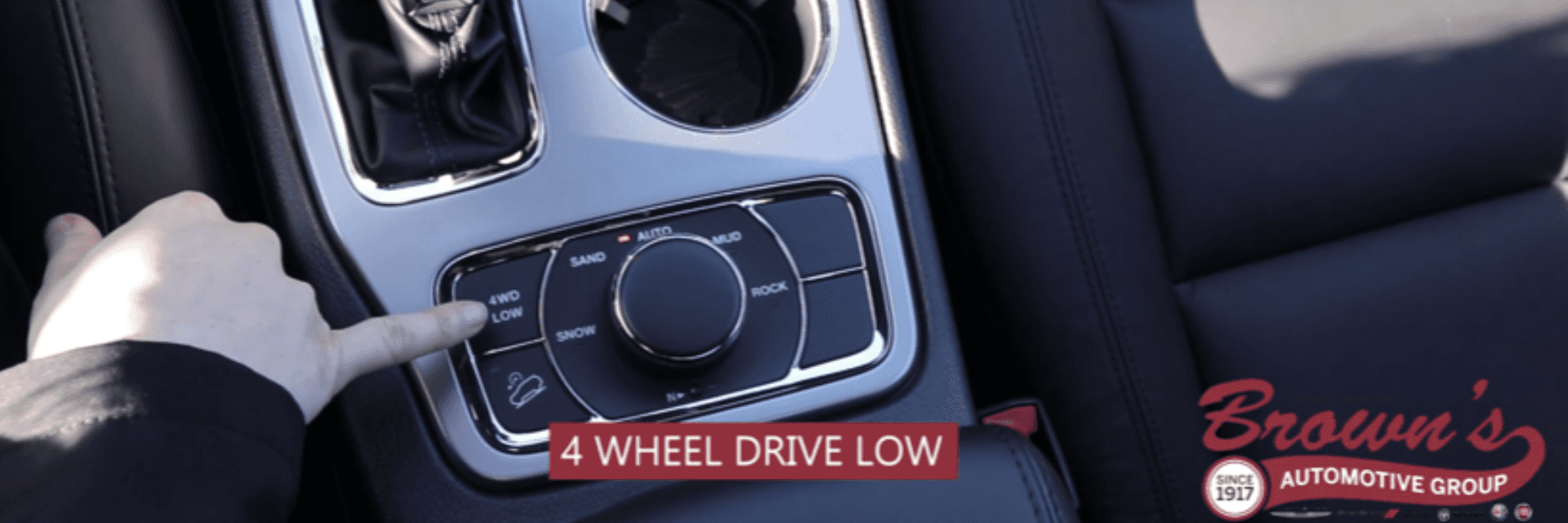
- Identify the 4WD control. This is usually a knob or lever marked with options like “4WD,” “4WD Low,” “4WD High,” or “Neutral.”
- Stop the vehicle or slow to under 5 mph. For shifting into 4WD Low, stopping is essential. For 4WD High, you can often shift at low speeds.
- Shift transmission to Neutral (N). For 4WD Low, always move to neutral first.
- Turn or pull the 4WD control to your desired mode. Select “4WD High” for slippery roads or “4WD Low” for tough off-road conditions.
- Wait for indicator light. The dashboard will show a 4WD light when engaged.
- Return to Drive (D) and continue.
Here’s a quick comparison of shifting procedures:
| Mode | When To Use | How To Shift |
|---|---|---|
| 4WD High | Snow, mud, sand, gravel | At low speed or stopped |
| 4WD Low | Steep hills, deep mud | Stopped, in Neutral |
| Auto | Normal driving | Automatic engagement |
For Active Drive Lock
- Engage 4WD Low and rear locker for extreme conditions.
- Follow the steps above, then press the “Lock” button for rear differential lock.
Tip: Always shift to 4WD before you reach difficult terrain. Waiting until you’re stuck makes shifting harder and can damage the system.

When To Use 4wd
Knowing when to engage 4WD is just as important as knowing how. Using 4WD on dry pavement can cause drivetrain binding, which may damage your Jeep. Use 4WD in these situations:
- Snowy or icy roads
- Mud, sand, or gravel
- Steep hills or rocky paths
- Deep water crossings
Turn off 4WD when roads are dry and clear. If your system is automatic, it will handle this for you.
Common Mistakes And How To Avoid Them
Many Jeep owners make simple errors when using 4WD. Here are the top mistakes—and how to avoid them:
- Engaging 4WD at high speed. Always slow down or stop before shifting to 4WD Low.
- Using 4WD on dry roads. Only use 4WD when needed. It’s not for everyday driving.
- Ignoring indicator lights. If the 4WD light flashes or stays off, check for problems.
- Not reading the manual. Each Jeep model has unique controls. Spend a few minutes reviewing your manual.
- Forgetting to return to 2WD. After leaving rough terrain, switch back to 2WD or Auto for better fuel efficiency.
Here’s a comparison of 4WD vs 2WD for fuel consumption:
| Mode | Average MPG (Cherokee) | Recommended Usage |
|---|---|---|
| 2WD | 25 mpg | Normal driving |
| 4WD | 20 mpg | Off-road/slippery roads |
Insight: Many drivers forget that fuel efficiency drops by 15–20% in 4WD mode. Always switch back to 2WD or Auto after off-roading.

Practical Tips For Safe 4wd Use
- Practice shifting in a safe area. Try switching modes in your driveway before going off-road.
- Check your tires. Good tires make 4WD more effective.
- Listen for unusual sounds. Clicking or grinding means something’s wrong.
- Service your 4WD regularly. A yearly checkup can prevent costly repairs.
If you want more details about Jeep 4WD systems, visit the official Jeep Cherokee site.
Frequently Asked Questions
How Do I Know If My Jeep Cherokee Is In 4wd?
Look for the 4WD indicator light on your dashboard. If it’s on, your Jeep is in 4WD mode. Some models also display the mode on a screen.
Can I Shift From 2wd To 4wd While Driving?
Yes, you can shift to 4WD High at low speeds (under 45 mph). For 4WD Low, you must stop and shift the transmission to Neutral.
Is It Safe To Use 4wd On Dry Pavement?
No, using 4WD on dry pavement can cause damage to the drivetrain. Only use 4WD when roads are slippery or you’re off-road.
What Should I Do If 4wd Doesn’t Engage?
First, check your speed and gear position. Make sure you’re in Neutral for 4WD Low. If it still doesn’t engage, consult your manual or a mechanic.
How Often Should I Service The 4wd System?
A good rule is to service your 4WD system once a year or every 15,000 miles. Check fluids, joints, and electronics for wear or leaks.
Mastering your Jeep Cherokee’s 4WD system gives you confidence and freedom on any road. With these steps and tips, you’ll avoid mistakes and keep your Jeep running strong. Always check your specific model’s manual and practice safe driving habits. Whether you’re exploring trails or facing tough weather, your Cherokee is ready for the challenge.