Wiring a torque converter lockup switch can be a valuable upgrade for vehicles with automatic transmissions. This simple modification gives you more control over your transmission’s torque converter, improving fuel efficiency and reducing heat. However, if you’ve never worked with wiring before, it may seem intimidating.
With the right guidance, most vehicle owners can complete this project safely and confidently.
What Is A Torque Converter Lockup Switch?
A torque converter is a component in automatic transmissions that helps transfer power from the engine to the transmission smoothly. Under certain conditions, the torque converter “locks up,” creating a direct connection for better fuel efficiency. Normally, your car’s computer controls this lockup.

A lockup switch lets you manually activate or deactivate this feature. This is useful if you want to control when the lockup occurs, such as during highway cruising or towing.
Tools And Materials You’ll Need
Before starting, gather these basic tools and materials:
- Toggle switch (SPST or SPDT, rated for 12V)
- 16-18 gauge automotive wire
- Wire stripper and crimper
- Ring terminals and spade connectors
- Electrical tape or heat-shrink tubing
- Multimeter
- Screwdriver and socket set
- Zip ties
- Inline fuse holder (5A fuse recommended)
Understanding Your Transmission’s Wiring
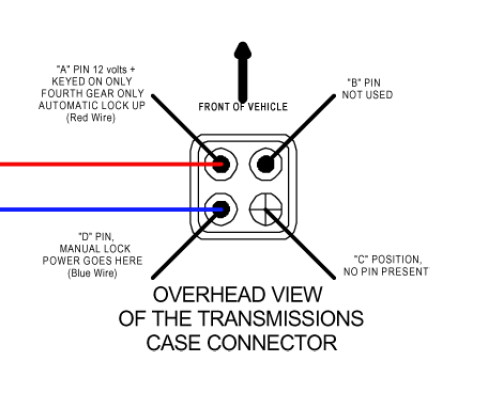
Not all transmissions are the same. Most modern GM, Ford, and Chrysler automatics have a lockup solenoid inside the transmission. This solenoid is usually controlled by the vehicle’s Engine Control Module (ECM). To wire a manual switch, you must identify the lockup solenoid wire.
Refer to your vehicle’s wiring diagram. If you don’t have one, you can often find diagrams for popular models on forums or manufacturer sites. Here’s a comparison of common wire colors for different brands:
| Brand | Common Lockup Wire Color | Location |
|---|---|---|
| GM (TH350C/700R4/4L60E) | Purple or Tan | Transmission harness |
| Ford (AOD/E4OD/4R70W) | Light Blue/Orange | Transmission pan area |
| Chrysler (A518/46RH/47RH) | Dark Blue | Transmission connector |
Always use a multimeter to confirm the wire before making any cuts.
Step-by-step: Wiring The Lockup Switch
1. Locate The Lockup Solenoid Wire
Find the correct wire under your vehicle or at the transmission control connector. You may need to remove the transmission pan or lower dash panel for access. Double-check with a wiring diagram and multimeter.
2. Plan Your Switch Location
Choose a spot for your toggle switch within easy reach—like on the dashboard or center console. Make sure you can mount it securely.
3. Disconnect The Battery
Always disconnect the negative battery terminal before working with wiring to avoid shorts or shocks.
4. Make Your Connections
Here’s a typical wiring plan:
- Cut the lockup solenoid wire so you have access to both ends.
- Connect the wire from the transmission side to one terminal of the switch.
- Connect the other terminal of the switch to a 12V key-on power source (only hot when the ignition is on).
- Use an inline fuse between the power source and the switch.
This simple circuit lets you send power to the lockup solenoid whenever you flip the switch.
A simplified wiring comparison:
| Wiring Point | Connection | Purpose |
|---|---|---|
| Switch Terminal 1 | To transmission lockup solenoid | Activates lockup |
| Switch Terminal 2 | To fused 12V ignition power | Ensures safe operation |
| Fuse Holder | In-line with 12V wire | Protects wiring |
5. Secure And Insulate All Wires
Use crimp connectors for secure connections and cover all exposed wires with electrical tape or heat-shrink tubing. Route wires away from hot surfaces and moving parts. Use zip ties to keep everything neat.
6. Test The System
Reconnect your battery. With the vehicle safely parked and the ignition on, flip the switch. You should hear or feel a slight change in idle as the lockup engages (in some vehicles, a dashboard light may indicate lockup). If not, double-check your wiring.
7. Road Test
Drive at a steady speed and try activating the lockup. The engine RPM should drop when the switch is on. If the transmission does not respond, recheck your wiring and fuse.

Important Safety Tips
- Never engage the lockup below 30-40 mph (50-65 km/h) or under heavy throttle.
- Turn off the lockup when stopping or shifting into lower gears.
- Always use a fuse to prevent electrical fires.
- If you’re unsure, consult a professional or your vehicle’s service manual.
Common Mistakes To Avoid
- Skipping the fuse. This is a serious fire risk if there’s a short.
- Using the wrong wire gauge. Too thin wires can overheat.
- Forgetting to test with a multimeter. Guessing leads to mistakes or damage.
- Mounting the switch in a hard-to-reach spot. You want quick, safe access while driving.
Practical Insights And Pro Tips
- Many beginners overlook the need to use a key-on power source. If you use a constant power source, you could accidentally drain your battery.
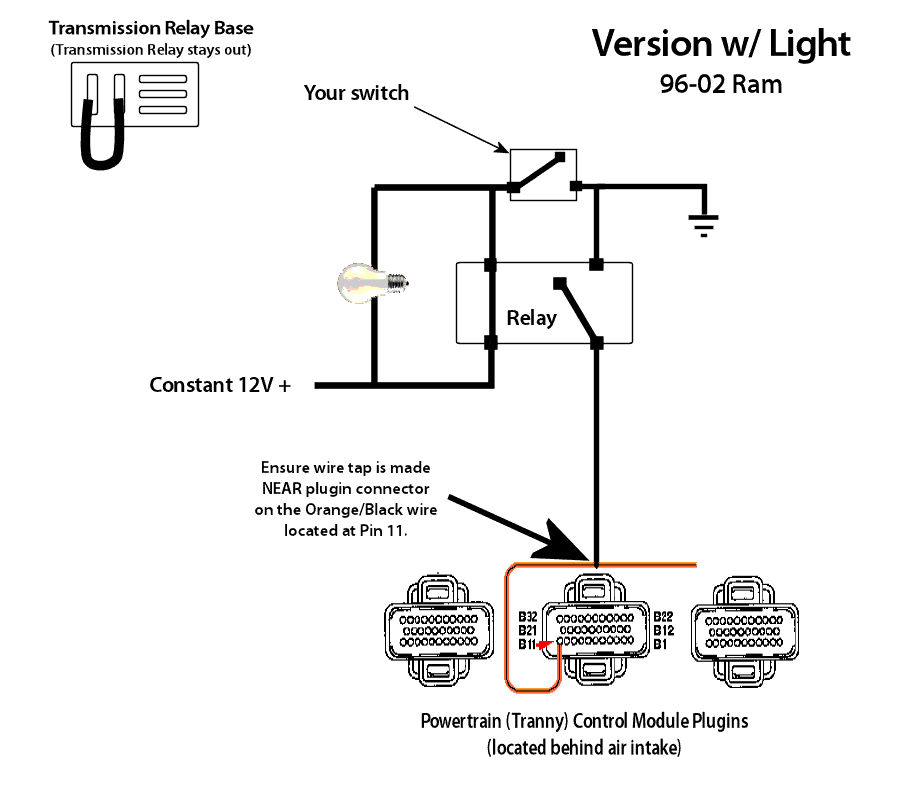
- Some vehicles have a lockup indicator light that can be wired in parallel with the switch. This tells you when the torque converter is locked.
- If your car has trouble codes or a check engine light after installation, you may need a resistor or relay to keep the ECM happy.
When Is A Manual Lockup Switch Useful?
- Towing: Prevents excess heat buildup in the transmission.
- Performance Driving: Lets you control when the lockup engages for quicker acceleration.
- Fuel Economy: Manually locking up during highway cruising can boost mpg by 3-5%.
For more technical details on torque converter lockup theory, see this Wikipedia article.
Frequently Asked Questions
What Happens If I Leave The Lockup Switch On All The Time?
Continuous lockup at low speeds or while stopping can cause engine stalling or transmission damage. Only use lockup at cruising speeds.
Can I Wire A Lockup Switch On Any Automatic Transmission?
Not all automatics have an electronic lockup solenoid. Older transmissions may not support this mod. Always check your transmission’s compatibility.
Will Installing A Lockup Switch Improve Gas Mileage?
Yes, locking the converter during highway driving often increases fuel economy by reducing engine RPM and slippage.
Do I Need To Cut Any Factory Wires?
Usually, yes—you’ll cut and splice into the lockup solenoid wire. Always leave enough slack to reverse the modification if needed.
Is This Modification Legal For Street Vehicles?
In most places, it’s legal, but altering emissions or transmission controls can affect warranty or inspection status. Check your local laws.
Adding a torque converter lockup switch is a practical, affordable upgrade for many automatic transmissions. With careful planning and attention to detail, you can enjoy better control, improved towing, and enhanced fuel efficiency. Always put safety first and consult your vehicle’s manual or a professional if you’re unsure.