Every vehicle with a solid rear axle—like most trucks, SUVs, and some vans—relies on leaf springs for support, stability, and ride comfort. These simple metal strips are tough, but years of hauling loads, rough roads, and weather can cause them to wear out or break. Driving with bad leaf springs isn’t just uncomfortable; it can become dangerous. But how can you tell if your leaf springs are bad before they cause bigger problems? Let’s look at the key signs, common causes, and what you should do if you suspect trouble.
What Are Leaf Springs And Why Do They Matter?
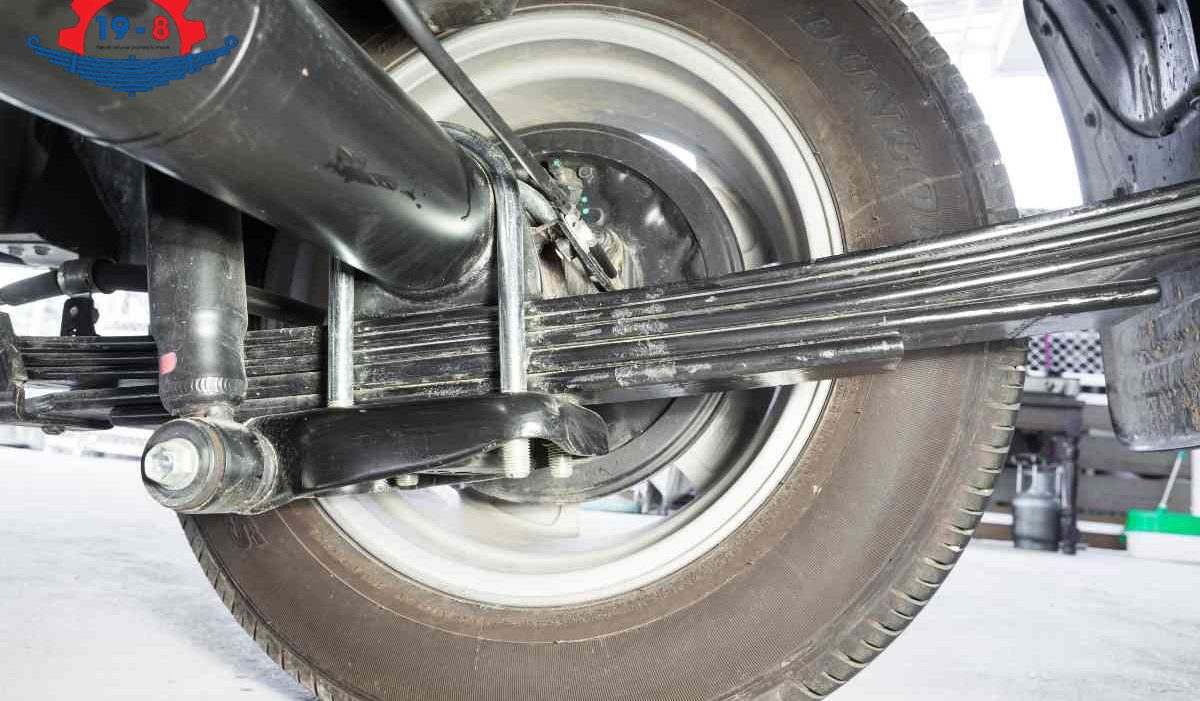
Leaf springs are stacks of curved metal strips, called leaves, bolted together and attached to the axle. They help support the vehicle’s weight, absorb bumps, and keep the tires in contact with the road. When leaf springs go bad, your vehicle can sag, bounce, or even lose control.
Some vehicles, especially pickups and older SUVs, still rely on leaf springs because they’re durable and can handle heavy loads better than coil springs. But even the strongest leaf springs can fail over time.
Key Signs Your Leaf Springs Are Bad
Spotting a worn or broken leaf spring early can prevent costly repairs. Here’s what to watch for:
1. Sagging Rear End
If your truck or SUV sags lower in the back than the front, it’s a classic sign of worn leaf springs. Compare your vehicle’s stance with others of the same model, or check manufacturer specs. Uneven height, especially when unloaded, means the springs aren’t supporting weight correctly.
2. Vehicle Leans To One Side
If only one spring is bad, the vehicle may lean to the left or right. Even a small lean can affect steering and tire wear. Look at your car from behind—if one side sits lower, inspect the springs.
3. Excessive Bouncing
Leaf springs should absorb shocks, not create a bouncy ride. If your vehicle keeps bouncing after hitting a bump, the springs may not be doing their job. Test this by pushing down on the rear and releasing; if it bounces more than twice, something’s wrong.
4. Noisy Ride
Listen for clunks, squeaks, or rattles from the rear suspension, especially when going over bumps. Worn or broken leaves can shift and make noise. A quiet ride is a sign of healthy springs.
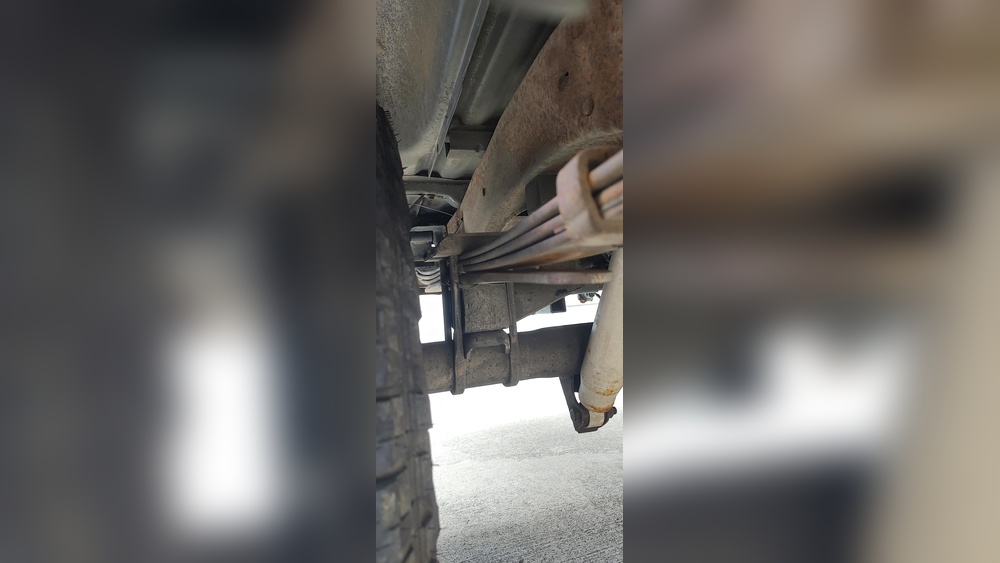
5. Visible Damage Or Gaps
Take a look under your vehicle. Check for:
- Cracked, fractured, or broken leaves
- Rust or corrosion eating through the metal
- Gaps between leaves (they should fit tightly)
- Missing center bolts or clips
Broken leaves often stick out at odd angles or separate from the pack.
6. Poor Handling
Bad leaf springs can make your vehicle feel unstable, sway too much in turns, or even fishtail when braking. Handling changes are a major safety issue—don’t ignore them.
Common Causes Of Leaf Spring Failure
Understanding why leaf springs fail can help you prevent problems. Here are the main causes:
| Cause | Description | Example |
|---|---|---|
| Overloading | Carrying more weight than the springs are rated for | Hauling heavy tools, gravel, or towing large trailers |
| Corrosion | Water and road salt cause rust and weaken metal | Driving in snowy climates without regular cleaning |
| Wear and Tear | Normal use over years leads to fatigue and cracks | 10+ years of daily driving |
| Accidents | Impact or collisions can bend or break springs | Hitting a large pothole or curb at speed |
Non-obvious tip: Frequently hauling heavy loads, even below the max rating, can shorten spring life due to repeated stress. Occasional overloading is worse than regular light use.
How To Inspect Leaf Springs Yourself
You don’t need special tools for a basic inspection, but always use caution. Here’s a quick guide:
- Park on level ground and set the parking brake.
- Check the stance from the side and rear for sagging or leaning.
- Look under the vehicle at both leaf spring packs.
- Inspect for damage—broken leaves, rust, or missing hardware.
- Push down on the rear bumper and release—watch for bouncing.
If you find any issues, it’s best to see a qualified mechanic. Don’t try to drive far on obviously broken springs.
How Leaf Springs Compare To Other Suspension Types
Leaf springs are common in trucks, but not all vehicles use them. Here’s a quick comparison:
| Suspension Type | Best For | Common Issues |
|---|---|---|
| Leaf Springs | Heavy loads, durability | Sagging, breakage, rust |
| Coil Springs | Smooth ride, cars and SUVs | Weakening, snapping |
| Air Suspension | Luxury, adjustable height | Leaks, compressor failure |
Experience-based tip: If you’re considering replacing leaf springs, sometimes upgrading to heavy-duty springs is better than OEM parts, especially for regular towing.
What Happens If You Ignore Bad Leaf Springs?
Driving with bad leaf springs can cause:
- Uneven tire wear
- Poor braking and handling
- Damage to the axle, shocks, and frame
- Increased risk of accidents
In the worst cases, a broken leaf can puncture a tire or drop the axle, leading to total loss of control.
What To Do If You Suspect A Problem
If you notice any signs of bad leaf springs:
- Stop carrying heavy loads until repairs are made.
- Schedule a mechanic inspection soon.
- Replace both springs on an axle, not just one, to keep handling balanced.
Replacement costs vary but expect $500–$1,000 for parts and labor at most shops. DIY is possible for skilled owners, but safety is critical.
Frequently Asked Questions
How Long Do Leaf Springs Usually Last?
Most leaf springs last 100,000–150,000 miles with regular use. Frequent heavy loads or harsh conditions can shorten their life. Regular inspection helps catch issues early.
Can You Drive With A Broken Leaf Spring?
It’s possible to drive a short distance, but it’s unsafe. A broken spring can cause loss of control or further damage. Get repairs as soon as possible.
Is It Better To Repair Or Replace Leaf Springs?
Most of the time, replacement is the best choice. Welding or repairing a broken leaf isn’t safe, as springs must handle high stress. Replace both sides for even handling.
What’s The Cost Of Replacing Leaf Springs?
Professional replacement usually costs $500–$1,000 for both sides, including labor. Prices vary by vehicle type and region. DIY can save money but requires proper tools and safety knowledge.
Where Can I Find More Technical Info On Leaf Springs?
For in-depth details, see this Wikipedia article on leaf springs.
Taking care of your suspension keeps your vehicle safe and comfortable. If you spot any warning signs, address them early to avoid bigger problems down the road.