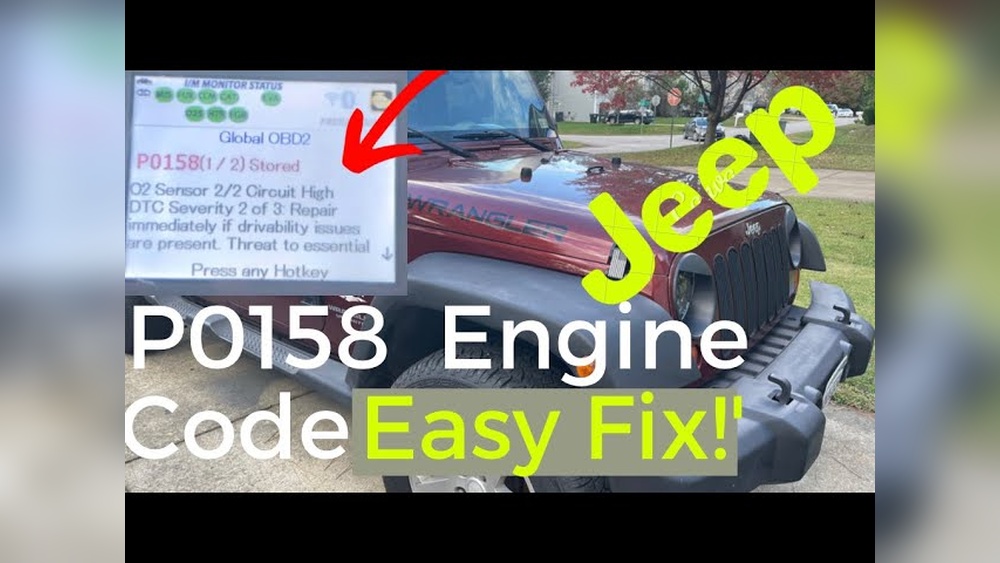
If you own a Jeep Wrangler and recently saw the P0158 code pop up, you’re probably wondering what it means and how it could affect your ride. This error code isn’t just a random number—it points to an issue with your vehicle’s oxygen sensor, which plays a key role in keeping your engine running smoothly and efficiently.
Ignoring it could lead to poor fuel economy, a rough engine, or even a failed emissions test. But don’t worry—understanding what causes P0158 and how to fix it can save you time, money, and stress. Keep reading to find out exactly what this code means for your Jeep Wrangler and the simple steps you can take to get back on the road with confidence.
Symptoms Of P0158 Code
The P0158 code on a Jeep Wrangler points to a problem with the oxygen sensor heater circuit. This sensor helps the engine run efficiently and controls emissions. Several common causes lead to this error code. Understanding these causes can help diagnose and fix the issue faster.
Faulty Oxygen Sensor Heater Circuit
The heater circuit inside the oxygen sensor can fail over time. This circuit warms the sensor quickly to work correctly. When it breaks, the sensor takes longer to respond or stops working. A short or open circuit in the heater element often triggers the P0158 code.
Damaged Wiring Harness
The wires connecting the oxygen sensor to the engine control unit can get damaged. Heat from the engine may melt or break the wiring insulation. Corrosion or rubbing against sharp edges can also harm the harness. Damaged wires cause poor or no signal from the sensor.
Rich Running Engine Conditions
A rich fuel mixture means too much fuel and not enough air in the engine. This condition affects oxygen sensor readings. Causes include leaking fuel injectors or a faulty fuel pressure regulator. Running rich can cause the sensor to report incorrect voltage, triggering the P0158 code.
Sensor Voltage Issues
The oxygen sensor produces voltage signals based on oxygen levels in the exhaust. Voltage problems can arise from sensor wear or electrical faults. A high voltage reading may indicate a sensor stuck on a rich condition. Sensor voltage issues often result in the P0158 code appearing.
Common Causes For P0158
Diagnosing oxygen sensor issues in your Jeep Wrangler is key to fixing the P0158 error code. This code points to a problem with the oxygen sensor heater circuit. The heater helps the sensor reach its working temperature quickly. Problems here can cause poor engine performance and higher emissions.
Start by checking the sensor’s electrical system and fuel conditions. This process helps pinpoint the exact cause of the sensor failure. Below are simple steps to guide you through diagnosing oxygen sensor problems.
Using An Obd-ii Scanner
Connect an OBD-II scanner to your Jeep’s diagnostic port. This tool reads error codes from the engine control unit. Look for the P0158 code or related oxygen sensor codes. The scanner may also show live data from the sensor. This data helps verify if the heater circuit is working correctly.
Inspecting Sensor Wiring
Check the wiring harness connected to the oxygen sensor. Look for damage, corrosion, or loose connections. Damaged wires can break the heater circuit and cause the P0158 code. Repair or replace any faulty wiring found during the inspection.
Testing Sensor Heater Resistance
Use a multimeter to measure the oxygen sensor heater resistance. Disconnect the sensor and test the heater terminals. Compare the reading to the Jeep Wrangler’s specifications. A very high or low reading means the heater element is faulty. Replace the sensor if the heater resistance is out of range.
Checking Fuel System For Rich Conditions
Examine the fuel system for signs of running rich. A rich fuel condition can damage the oxygen sensor over time. Check for leaking fuel injectors or a stuck fuel pressure regulator. Fix any fuel delivery problems to prevent further sensor damage.
Diagnosing Oxygen Sensor Issues
Fixing the P0158 code on a Jeep Wrangler involves several repair options. The problem often relates to the oxygen sensor or the vehicle’s wiring. Sometimes, fuel system issues cause it. Each repair option has different costs. Understanding these helps plan the repair process well.
Replacing The Oxygen Sensor
The most common fix for P0158 is replacing the oxygen sensor. This sensor monitors exhaust gases and sends data to the engine control unit. A faulty sensor can cause poor engine performance. Replacement is straightforward and usually takes less than an hour. Using a quality sensor ensures long-term reliability.
Repairing Wiring And Connectors
Wiring problems often trigger the P0158 code. Heat and vibration can damage wires or connectors near the oxygen sensor. Repair involves inspecting the wiring harness for breaks or corrosion. Damaged sections get repaired or replaced. Clean connectors improve electrical flow and sensor accuracy.
Addressing Fuel System Problems
Fuel system faults can cause rich running conditions. Problems like leaking fuel injectors or a faulty fuel pressure regulator may affect sensor readings. Fixing these involves diagnosing fuel pressure and injector operation. Repairing or replacing faulty parts restores proper fuel flow. This step prevents further sensor damage.
Estimated Repair Costs
Replacing the oxygen sensor costs between $150 and $250. Labor fees vary but usually stay under $100. Wiring repairs cost about $50 to $150, depending on damage extent. Fuel system repairs can range from $100 to $500, based on parts and labor. Early repair saves money and avoids bigger issues.

Repair Options And Costs
Preventing future sensor problems in your Jeep Wrangler is essential for reliable performance. Sensors like the oxygen sensor play a key role in engine efficiency. Taking steps to care for these components helps avoid costly repairs and keeps your vehicle running smoothly. Simple habits and checks protect your Wrangler from sensor failures.
Regular Sensor Maintenance
Check sensors regularly for dirt and damage. Clean sensors gently to remove grime that affects readings. Replace worn or faulty sensors on schedule. Regular inspections catch issues early before they cause bigger problems.
Protecting Wiring From Heat Damage
Heat from the engine can harm sensor wiring. Use heat shields or wraps to protect wires near hot parts. Inspect wiring for cracks or burns often. Secure loose wires to prevent rubbing and wear. Good wiring care stops shorts and sensor errors.
Fuel System Tune-ups
Maintain your fuel system to support sensor health. Replace fuel filters and clean injectors as needed. A well-tuned fuel system prevents rich running conditions that confuse sensors. Proper fuel flow helps sensors provide accurate data.
Routine Emissions Checks
Schedule regular emissions tests to monitor sensor function. These checks identify sensor problems before warning lights appear. Pass emissions tests by keeping sensors and engine parts in good shape. Early detection saves money and keeps your Jeep legal.
Frequently Asked Questions
How Do You Fix A P0158 Code?
To fix a P0158 code, inspect and replace the oxygen sensor’s heater circuit if faulty. Check wiring for damage or corrosion. Repair any wiring issues and clear the code. Test the sensor’s voltage to ensure proper function after repairs.
Is It Okay To Drive With A P0158 Code?
Driving with a P0158 code is not recommended. It can cause poor fuel economy and engine issues. Get the oxygen sensor checked promptly.
What Causes An O2 Sensor To Have High Voltage?
An O2 sensor shows high voltage due to a rich fuel mixture, faulty sensor, or wiring problems. Excess fuel causes high readings.
How Much Does It Cost To Fix A P0158?
Fixing a P0158 code typically costs between $150 and $500. The price depends on parts and labor. Oxygen sensor replacement averages $200-$300. Wiring repairs may increase the cost. Always get a professional diagnosis for accurate estimates.
Conclusion
The P0158 code signals a problem with your Jeep Wrangler’s oxygen sensor heater. Fixing it helps your engine run smoothly and saves fuel. Check wiring and sensor condition to find the issue. Prompt repairs prevent bigger problems and costly repairs.
Keep your Jeep in good shape for a safer, cleaner drive. Regular maintenance avoids surprises on the road. Stay alert to warning signs and act fast. Your Jeep deserves care for better performance and longevity.