Fixing reverse gear problems in a Jeep can feel overwhelming, especially if you’re not an expert. But with a clear plan and some basic knowledge, many common issues can be solved at home. Whether your Jeep won’t go into reverse, slips out of gear, or makes strange noises, there are practical steps to find and fix the problem.
This guide will help you understand the causes, offer step-by-step solutions, and show when to seek professional help.
Common Causes Of Jeep Reverse Gear Problems
Reverse gear issues can come from several sources. Before starting repairs, it’s important to identify the real cause. Here are the most frequent reasons:
- Transmission fluid is low or dirty.
- Shift linkage is out of adjustment or damaged.
- Clutch issues (for manual Jeeps).
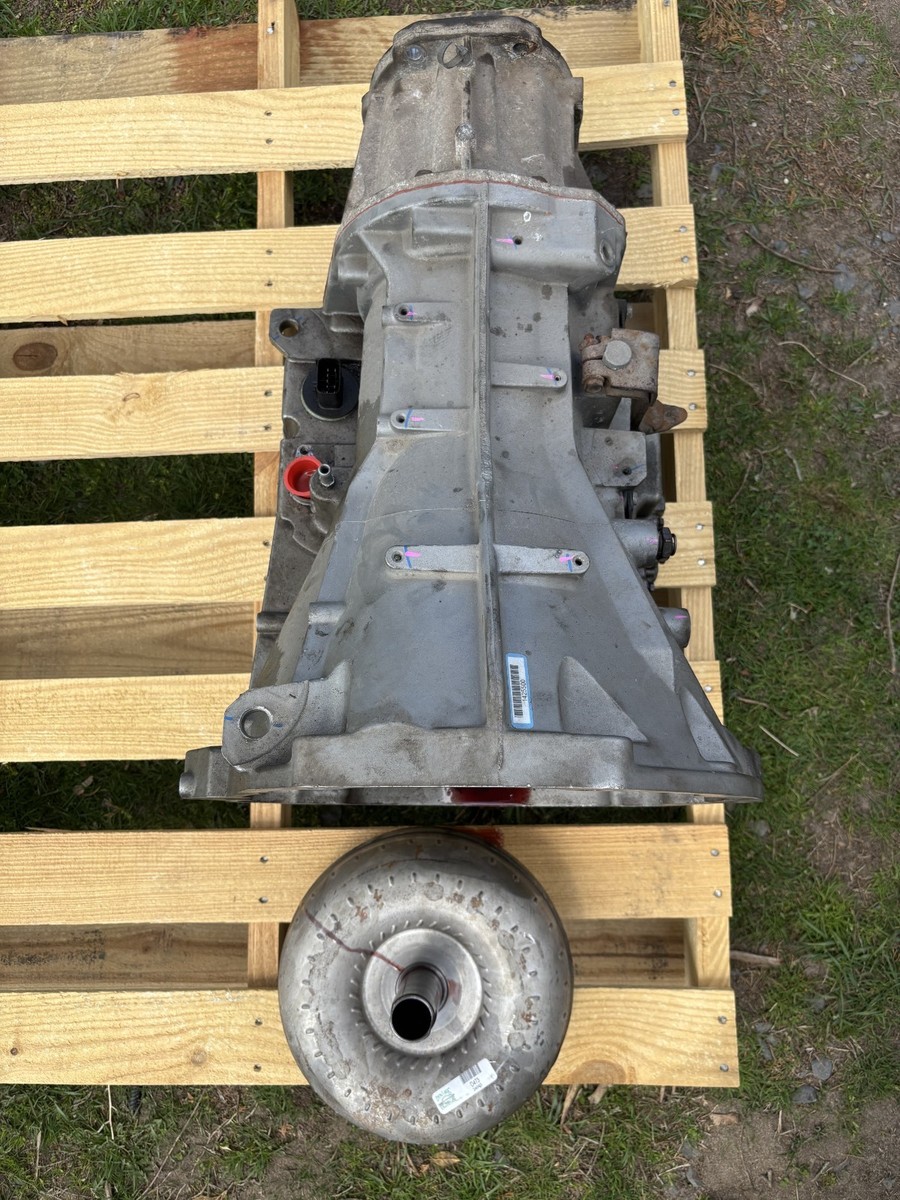
- Faulty transmission solenoid (for automatics).
- Worn internal parts like gears or synchronizers.
Each problem has different symptoms. For example, low fluid can cause slipping, while a broken shift linkage may prevent reverse engagement altogether. Beginners often miss inspecting the shift linkage, which is one of the most common and overlooked causes.
Diagnosing The Problem
Before fixing anything, you need to diagnose the issue. Here’s a simple process to follow:
- Check transmission fluid: Park on a level surface. Pull out the dipstick and check fluid color and level. The fluid should be bright red and not smell burnt.
- Test reverse gear: Shift into reverse and listen for noises. If you hear grinding, note if it happens only in reverse or in other gears too.
- Inspect shift linkage: Look under the Jeep and check for loose or disconnected linkage parts.
- Look for warning lights: On automatic Jeeps, a transmission warning light may point to an electrical issue.
Below is a quick comparison between manual and automatic Jeep reverse issues:
| Transmission Type | Common Symptoms | Likely Cause |
|---|---|---|
| Manual | Grinding, hard to shift, clutch feels soft | Clutch problem, worn synchronizer, linkage |
| Automatic | Slipping, delayed engagement, warning light | Low fluid, solenoid, internal wear |
Step-by-step Guide To Fixing Reverse Gear
After diagnosis, you can start with basic fixes. Always work safely and use proper tools.
1. Fixing Transmission Fluid Issues
Low or dirty fluid is the most common and easiest fix. Here’s how:
- Locate the transmission dipstick (usually near the engine).
- Check fluid level. If low, add the recommended fluid type.
- Change fluid if it’s dark or smells burnt. Drain old fluid, replace the filter, and refill.
For most Jeep models, fluid capacity ranges from 3. 5 to 5 quarts. Always use the fluid type specified in your owner’s manual.
2. Adjusting Or Repairing Shift Linkage
Faulty shift linkage can block reverse gear. To fix:
- Inspect linkage for loose bolts or broken parts.
- Tighten bolts or replace damaged pieces.
- Test shifting after repairs.
A common mistake is forgetting to test all gears after fixing linkage. Make sure the Jeep shifts smoothly in every gear.
3. Clutch Repairs (manual Jeeps)
If you drive a manual Jeep and reverse doesn’t engage:
- Check clutch pedal feel. If it feels soft, bleed the clutch system to remove air.
- Inspect clutch cable or hydraulic lines for leaks.
- Replace worn clutch if necessary.
Clutch jobs are complex and may require a mechanic. If you hear persistent grinding, it likely means the synchronizer needs replacement.
4. Troubleshooting Automatic Transmission
Automatics can be tricky. For basic issues:
- Scan for error codes with an OBD-II reader.
- Replace faulty solenoid if a code points to it.
- Flush transmission fluid if slipping occurs.
If your Jeep still won’t reverse, internal damage could be the cause. For major repairs, expert help is required.
When To Call A Mechanic
Some repairs are best left to professionals. Here’s how to decide:
| Issue | DIY Possible? | Mechanic Needed? |
|---|---|---|
| Fluid change | Yes | No |
| Shift linkage adjustment | Yes | No |
| Clutch replacement | Maybe | Yes |
| Internal transmission repair | No | Yes |
If you lack tools or experience, attempting internal transmission repairs can make things worse. A certified mechanic is recommended for complex jobs.
Prevention Tips
Keeping your Jeep’s reverse gear healthy is easier than fixing problems later. Here are some practical tips:
- Check transmission fluid regularly (every 6 months).
- Shift gears smoothly to avoid unnecessary wear.
- Listen for odd noises and fix small issues early.
- Get regular inspections if you drive off-road or tow heavy loads.
Many Jeep owners ignore fluid changes, which leads to expensive repairs. Prevention saves money and hassle.
Frequently Asked Questions
Why Does My Jeep Only Have Problems In Reverse?
Reverse uses specific gears and parts that can wear out or get misaligned. If other gears work, it’s likely a reverse-specific issue like a broken linkage or damaged gear.
Can Low Transmission Fluid Cause Reverse Gear To Fail?
Yes, low or dirty fluid can prevent reverse from engaging. It affects both manual and automatic transmissions by causing slipping or delayed engagement.
How Much Does It Cost To Fix Reverse On A Jeep?
Costs vary. Fluid changes are under $100. Linkage repairs can be $150–$300. Full transmission rebuilds may cost $1,500–$3,000, depending on the Jeep model.
Is It Safe To Drive If My Jeep’s Reverse Doesn’t Work?
It’s risky. You may get stuck or cause more damage. If reverse doesn’t engage, avoid driving and fix the problem as soon as possible.
Where Can I Find Detailed Jeep Transmission Specs?
Official Jeep manuals and trusted sites like Jeep Owners Manual have detailed specs, diagrams, and troubleshooting guides.
Fixing reverse gear problems on a Jeep may seem tough, but with careful diagnosis and the right steps, many issues can be solved without expert help. Remember to check fluid, inspect linkage, and don’t ignore warning signs. Staying proactive saves you money and keeps your Jeep running strong.