Jump starting a Jeep can seem intimidating, especially if you’re new to car care. But with the right steps, you can safely bring your Jeep back to life and avoid calling for roadside help. Whether you drive a classic Wrangler or a newer Grand Cherokee, the process is similar.
This guide will walk you through every step, highlight key safety details, and share tips most people overlook.
When You Should Jump Start Your Jeep
A dead battery is the most common reason a Jeep won’t start. You might notice your lights are dim, the engine clicks but won’t turn over, or the dashboard doesn’t light up. Before jump starting, make sure:
- The battery is the problem—not a bad starter or fuel issue.
- There’s no strong rotten egg smell (which means a leaking battery—do not jump start).
- The battery is not cracked or leaking fluid.
If you’re unsure, it’s safer to call a professional.
What You Need Before Jump Starting
You’ll need a few items to jump start your Jeep safely:
- Jumper cables – At least 10-gauge, 12-feet long or more.
- A working vehicle – Any car or truck with a 12-volt battery.
- Gloves and eye protection – Batteries can spark.
- Owner’s manual – For any special instructions.
Tip: Not all batteries are in the same place. In some Jeep models, the battery is under the hood. In others, it’s under a seat. Always check your manual if you’re not sure.
Step-by-step: How To Jump Start A Jeep
Follow these steps in order to avoid mistakes and stay safe.
1. Position The Vehicles
Park the working vehicle close enough so the cables reach both batteries, but do not let the vehicles touch. Turn off both engines and set both parking brakes.
2. Open The Hoods And Locate Batteries
Find the positive (+) and negative (–) terminals on both batteries. Clean any dirt or corrosion for a better connection.
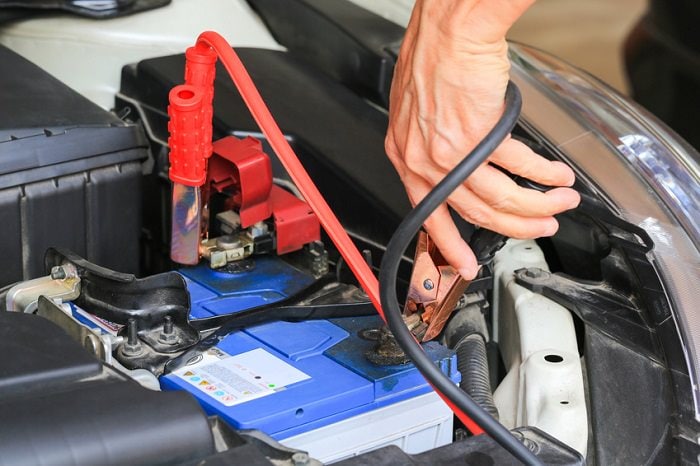
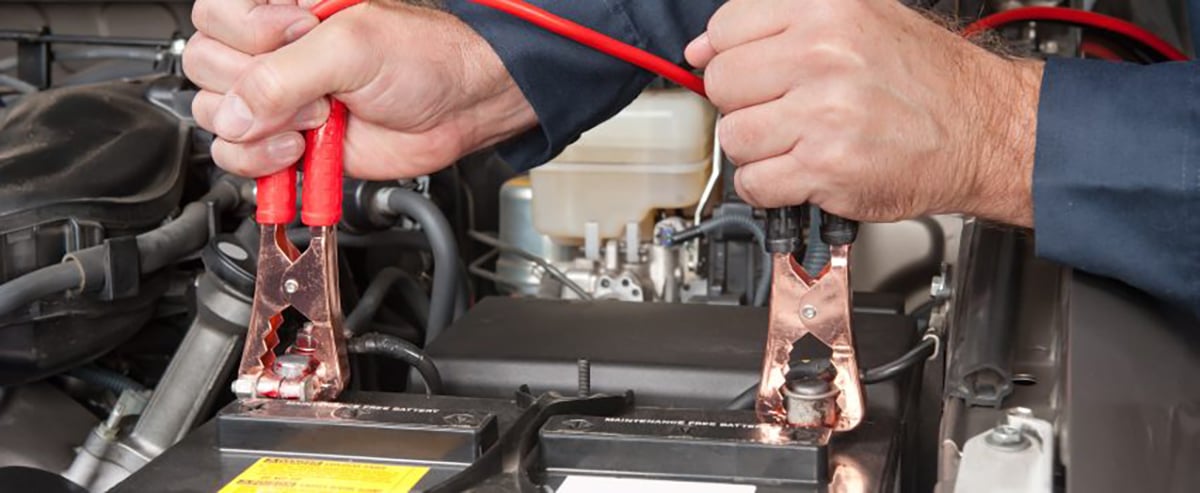
3. Connect The Jumper Cables
Attach the cables in this exact order:
- Red cable to the dead battery’s positive (+) terminal.
- Red cable to the good battery’s positive (+) terminal.
- Black cable to the good battery’s negative (–) terminal.
- Black cable to an unpainted metal part on the dead Jeep’s engine block (NOT the battery).
Why this order? Attaching the last clamp away from the battery reduces the risk of sparks near the battery.
4. Start The Working Vehicle
Let it run for 2–3 minutes. This charges the dead battery slightly.
5. Start The Jeep
Try starting your Jeep. If it doesn’t start, wait another 2 minutes and try again. Do not crank for more than 10 seconds at a time.
6. Remove The Cables
Remove the cables in reverse order:
- Black clamp from metal part on Jeep.
- Black clamp from good battery.
- Red clamp from good battery.
- Red clamp from dead battery.
Avoid letting the cable clamps touch each other or any metal.
7. Let The Jeep Run
Let the Jeep engine run for at least 20 minutes to recharge the battery. Drive around if possible.
Common Mistakes To Avoid
Jump starting is simple, but mistakes can damage your vehicle or cause injury.
- Reversing the cable order can short the battery or fry electronics.
- Touching clamps together can cause sparks or shocks.
- Jumping a frozen or leaking battery can be dangerous.
- Not cleaning terminals may prevent a good connection.
Pro tip: If your Jeep doesn’t start after three tries, stop and check for other problems, like a bad alternator or blown fuse.
Jeep Battery Types: Key Differences
Not all Jeep batteries are the same. Here’s a quick comparison to help you identify yours:
| Jeep Model | Battery Location | Battery Type |
|---|---|---|
| Wrangler (JK/JL) | Under Hood | 12V Lead-Acid |
| Grand Cherokee | Under Seat/Trunk | 12V AGM or Lead-Acid |
| Renegade | Under Hood | 12V EFB |
Insight: Some new Jeep models use AGM or EFB batteries. These require careful handling and may need special chargers.
Safety Tips Most People Forget
Jump starting is usually safe, but small mistakes can lead to injury.
- Remove metal jewelry before starting. Rings or watches can cause burns if they touch battery terminals.
- Turn off all electronics in both vehicles. This avoids power surges that can damage systems.
- Check your owner’s manual for any model-specific warnings.
- Never lean directly over the battery when connecting cables.
What To Do If Jump Starting Fails
If your Jeep still won’t start after several tries, consider these possible issues:
| Symptom | Possible Cause | Next Step |
|---|---|---|
| No lights, no sound | Bad battery, loose cable | Check connections, try a new battery |
| Clicking sound | Weak battery, bad starter | Try again, call a mechanic |
| Cranks but won’t start | Fuel or ignition problem | Need professional help |
Aftercare: Protect Your Jeep Battery
After a jump start, take steps to prevent another breakdown.
- Get your battery tested at an auto shop.
- Clean terminals with baking soda and water.
- Consider replacing your battery if it’s more than 3-5 years old.
- Drive regularly, especially in cold weather.
Interesting fact: Most Jeep batteries last 3 to 5 years. Extreme temperatures or short trips can shorten their life.

Frequently Asked Questions
What Size Jumper Cables Do I Need For A Jeep?
Use jumper cables that are at least 10-gauge and 12 feet long. Thicker cables (8-gauge) make jump starting easier, especially for larger engines.
Can I Damage My Jeep By Jump Starting It Wrong?
Yes, incorrect steps can damage your electrical system or battery. Always follow the correct cable order and check your manual for warnings.
How Long Should I Let My Jeep Run After Jump Starting?
Let your Jeep run for at least 20 minutes to recharge the battery. Driving is better than idling because the alternator works harder.
What If My Jeep Keeps Needing A Jump Start?
If your Jeep needs frequent jump starts, your battery or alternator may be failing. Get both tested at a service center.
Can I Jump Start My Jeep From A Smaller Car?
Yes, but it may take longer if the other vehicle has a smaller engine. Make sure the donor battery is fully charged and in good condition.
Jump starting your Jeep doesn’t have to be stressful. By following these steps and being aware of small details, you can get back on the road quickly and safely. For more in-depth car maintenance tips, visit the official Jeep Battery Care page. Stay safe, and keep your Jeep ready for any adventure.