Every Jeep Wrangler owner loves the idea of adventure. But before you hit rough terrain, you need to know how to use your vehicle’s 4WD system properly. Many beginners make mistakes—like forcing the gear or forgetting to check road conditions—which can lead to damage or stuck wheels. If you want to avoid costly repairs and enjoy your Jeep’s full power, learning to engage 4WD the right way is essential.
Understanding 4wd In Jeep Wrangler
Jeep Wranglers use a part-time 4WD system. This means you switch between 2WD and 4WD as needed. The system lets power go to all four wheels, helping you drive on mud, sand, snow, or rocks.
There are three main settings:
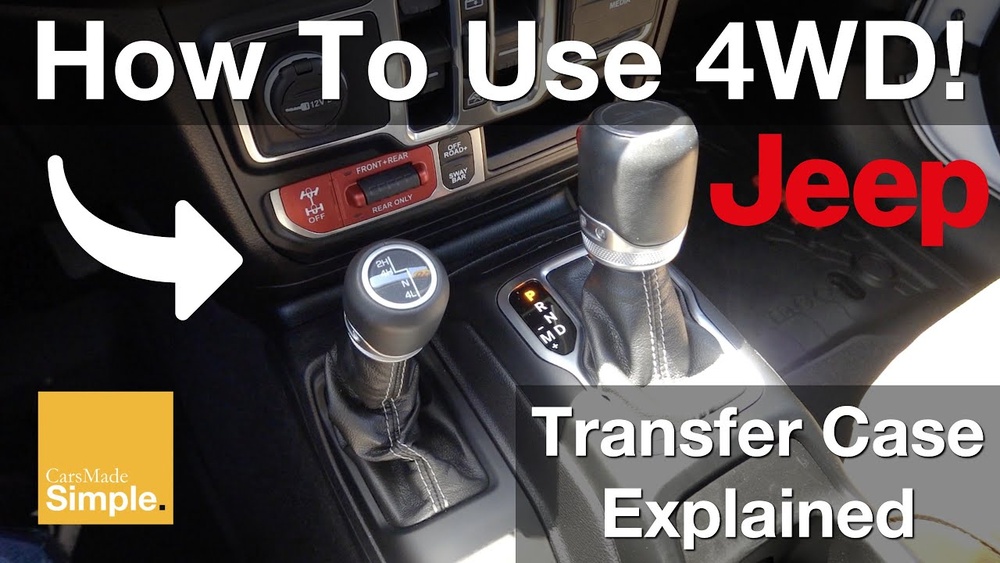
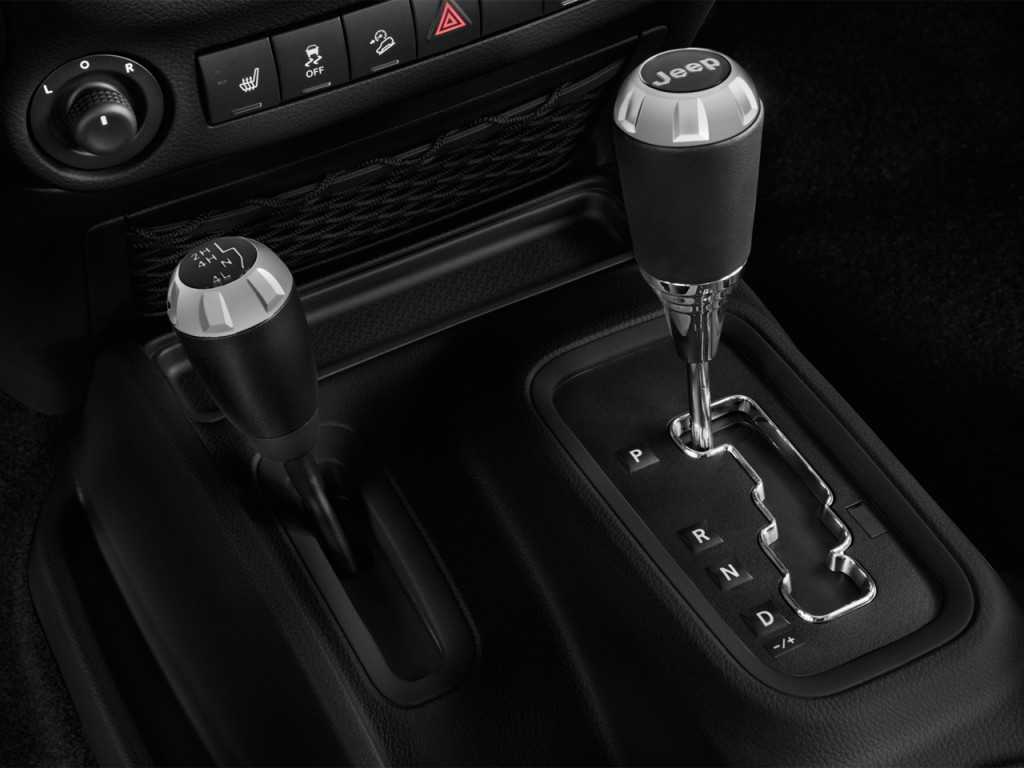
- 2H (Two-Wheel High): Standard driving. Power goes to rear wheels.
- 4H (Four-Wheel High): For slippery roads. Power goes to all wheels for better grip.
- 4L (Four-Wheel Low): For slow, tough terrain. Maximum torque and control.
Some newer Wranglers have automatic 4WD options, but most models rely on manual shifting.
How To Engage 4wd In Jeep Wrangler
Engaging 4WD is simple, but you need to follow the right steps. Doing it wrong can damage your transmission or transfer case.
Switching From 2h To 4h
- Check your speed: Make sure you’re driving under 55 mph.
- Move the lever: While driving straight, slowly pull the 4WD lever from 2H to 4H.
- Listen and feel: You might hear a soft click or feel a small jolt. This means 4WD is engaged.
Tip: You don’t need to stop for this shift. It’s called “shift-on-the-fly.”
Shifting Into 4l
This mode is for deep mud, sand, or steep climbs. Never use it for regular roads.
- Stop the vehicle: Bring your Jeep to a full stop.
- Put transmission in Neutral (N): This is very important.
- Firmly pull the lever: Move the 4WD lever from 4H to 4L.
- Wait for engagement: You may hear a clunk or feel the Jeep move slightly.
Tip: If the lever is hard to move, gently roll the vehicle forward or backward a few inches. Don’t force it.
Disengaging 4wd
After leaving rough terrain, switch back to 2H.
- For 4H to 2H: Do it while driving straight at low speed.
- For 4L to 4H: Stop, put transmission in Neutral, shift back.
When Should You Use 4wd?
Using 4WD at the wrong time can cause problems. Here’s when you really need it:
- Rainy or icy roads: 4H gives better grip.
- Deep mud or sand: Use 4L for slow, steady movement.
- Rocky trails: 4L helps climb over obstacles.
Do not use 4WD on dry pavement. It can cause tire wear and strain your drivetrain.
Common Mistakes When Engaging 4wd
Many new Jeep owners make errors that can hurt their vehicle. Here are some to avoid:
- Shifting at high speed: Only shift below 55 mph for 4H and always stop for 4L.
- Forcing the lever: If it won’t move, don’t use brute force. Try rolling the Jeep a bit.
- Not using Neutral: Always shift to Neutral before going into or out of 4L.
- Using 4WD on dry roads: This stresses the system and causes damage.
- Ignoring dashboard lights: Warning lights mean something’s wrong. Stop and check.
Comparison: Jeep Wrangler 4wd Modes
Here’s a simple table showing the main differences between Wrangler’s 4WD settings:
| Mode | Best Use | Speed Range | How to Engage |
|---|---|---|---|
| 2H | Normal roads | Any speed | Default position |
| 4H | Slippery/loose surfaces | Below 55 mph | Shift-on-the-fly |
| 4L | Off-road, steep hills | Low speeds only | Stop & shift in Neutral |
Real-life Example: Muddy Trail
Imagine you’re stuck in deep mud. Your wheels spin, and the Jeep isn’t moving. Here’s how you can use 4L:
- Stop completely.
- Shift transmission to Neutral.
- Move 4WD lever to 4L.
- Slowly press the gas and steer out of the mud.
This gives more torque, helping you escape without damage.

Data: Jeep Wrangler 4wd Usage
A 2023 survey by Jeep Forum showed:
- 68% of owners use 4H mainly in snow or rain.
- 22% use 4L for rocky trails or deep mud.
- 10% rarely use 4WD, even though their Jeep has it.
This data shows many people don’t use 4WD enough, missing out on the Jeep’s capability.
Troubleshooting: If 4wd Won’t Engage
Sometimes, the system doesn’t work as expected. Here’s what to check:
| Problem | Possible Cause | Solution |
|---|---|---|
| Lever stuck | Misaligned gears | Roll vehicle slowly |
| No dashboard light | Faulty sensor | Check fuse or sensor |
| Grinding noise | Shifting at wrong speed | Stop and shift properly |

Jeep Wrangler Vs. Other 4wd Vehicles
How does the Wrangler’s 4WD compare to other off-road vehicles? Let’s look at a quick table:
| Vehicle | 4WD Type | Ease of Use | Best Terrain |
|---|---|---|---|
| Jeep Wrangler | Part-time manual | Easy, but manual | Rocks, mud, snow |
| Toyota 4Runner | Full-time/part-time | Automatic options | Sand, gravel, snow |
| Ford Bronco | Part-time electronic | Button-controlled | Mud, hills, rocks |
Practical Tips For Beginners
- Always read your owner’s manual for model-specific instructions.
- Practice in an empty parking lot before going off-road.
- Keep your speed low when shifting between modes.
- Check tires and fluid levels before off-roading.
A non-obvious insight: If you drive often in sand, lower your tire pressure slightly before using 4WD. This increases traction and prevents getting stuck.
Another overlooked tip: Engage 4WD before you’re stuck—not after. Waiting until wheels spin can make shifting harder and less effective.
Frequently Asked Questions
What Is The Difference Between 4h And 4l?
4H is for higher speeds and slippery roads, like snow or gravel. 4L is for low speeds and tough terrain, like mud or rocks. 4L gives more torque and control.
Can I Shift Into 4wd While Driving?
Yes, you can shift from 2H to 4H at speeds below 55 mph. For 4L, always stop and put the transmission in Neutral before shifting.
Is It Bad To Use 4wd On Dry Pavement?
Yes. Using 4WD on dry pavement causes drivetrain stress and tire wear. Only use 4WD on slippery or loose surfaces.
What Should I Do If The 4wd Light Doesn’t Come On?
Check the fuse or sensor. Sometimes rolling the vehicle slowly helps. If the problem continues, visit a mechanic.
Where Can I Find More Detailed Info About Jeep Wrangler 4wd?
Visit the official Jeep site for guides and manuals: Jeep Wrangler Official.
Learning to engage 4WD in your Jeep Wrangler is simple, but doing it right makes all the difference. With proper use, you’ll enjoy safer driving, avoid expensive repairs, and get the most from your Jeep. Use these steps, tips, and insights every time you head off-road—your Wrangler (and your wallet) will thank you.