Removing a frozen spark plug can be frustrating, especially if you are not experienced with engine maintenance. A spark plug becomes “frozen” when it is stuck in place, often due to corrosion, carbon buildup, or overtightening. If you try to force it out, you risk damaging your engine or breaking the plug, which creates bigger problems. In this article, you’ll learn proven steps to remove a frozen spark plug safely, including tools, techniques, and tips that even seasoned mechanics use. You’ll also find answers to common questions and practical advice for avoiding mistakes.
Understanding Why Spark Plugs Get Stuck
A frozen spark plug usually means it is seized in the cylinder head. This happens for several reasons:
- Corrosion: Moisture or chemicals can cause rust around the plug.
- Carbon buildup: Combustion deposits make removal difficult.
- Overtightening: Excess force during installation leads to thread damage.
- Heat cycles: Repeated heating and cooling can bond the plug to the head.
Knowing the cause helps you choose the right removal method. For example, a plug stuck from rust needs a penetrating oil, while carbon buildup may require heat.
Safety Precautions Before Removal
Before you start, take precautions to protect yourself and your engine.
- Let the engine cool completely. Removing a plug from a hot engine can cause thread damage.
- Wear safety glasses and gloves to protect your hands and eyes.
- Disconnect the battery to avoid electrical shocks.
If you are unsure, consult a mechanic. Removing a frozen spark plug is not always easy, and mistakes can be costly.

Essential Tools And Materials
Having the right tools makes the job faster and safer. Here is a comparison of common tools:
| Tool | Purpose | Cost (USD) |
|---|---|---|
| Socket wrench with spark plug socket | Turning the plug | $10-$30 |
| Penetrating oil | Loosening rust/corrosion | $5-$10 |
| Breaker bar | Extra leverage | $15-$40 |
| Torque wrench | Correct tightening | $25-$60 |
| Compressed air | Cleaning debris | $10-$25 |
Some tools, like a breaker bar, may seem unnecessary for simple jobs, but they can prevent plug breakage in tough cases. Penetrating oil is essential for fighting corrosion.
Step-by-step Guide To Removing A Frozen Spark Plug
Follow these steps to maximize safety and success:
- Clean the area: Use compressed air to blow away dirt and debris around the plug. This prevents contamination inside the cylinder.
- Apply penetrating oil: Spray a generous amount on the base of the spark plug. Wait 10–30 minutes, or longer for severe cases. For best results, repeat the process twice.
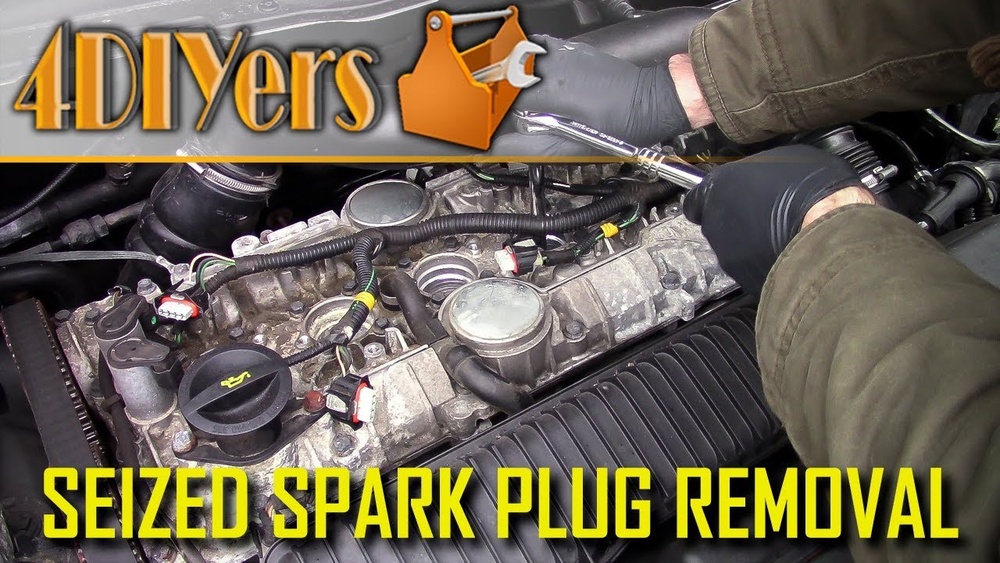
- Loosen the plug gently: Use a spark plug socket and breaker bar. Turn the plug slowly and steadily. If you feel resistance, stop. Do not force the plug or you may snap it.
- Use heat if needed: If the plug remains stuck, use a heat gun to warm the area around the plug. Heating expands the metal, often freeing the plug. Avoid open flames, as they can damage engine components.
- Alternate tightening and loosening: Sometimes, turning the plug a little tighter before loosening can help break the bond. Do this gently to avoid damage.
- Remove the plug: Once the plug starts moving, turn it out slowly. If you hear grinding or see metal shavings, stop and consult a mechanic.
Here is a quick comparison of removal methods:
| Method | Best For | Risk Level |
|---|---|---|
| Penetrating oil | Corrosion/rust | Low |
| Heat | Carbon buildup | Moderate |
| Breaker bar | Overtightened plugs | Moderate |
| Alternating turns | Stubborn plugs | Low |
Common Mistakes And How To Avoid Them
Many beginners make errors that can turn a simple fix into an expensive repair.
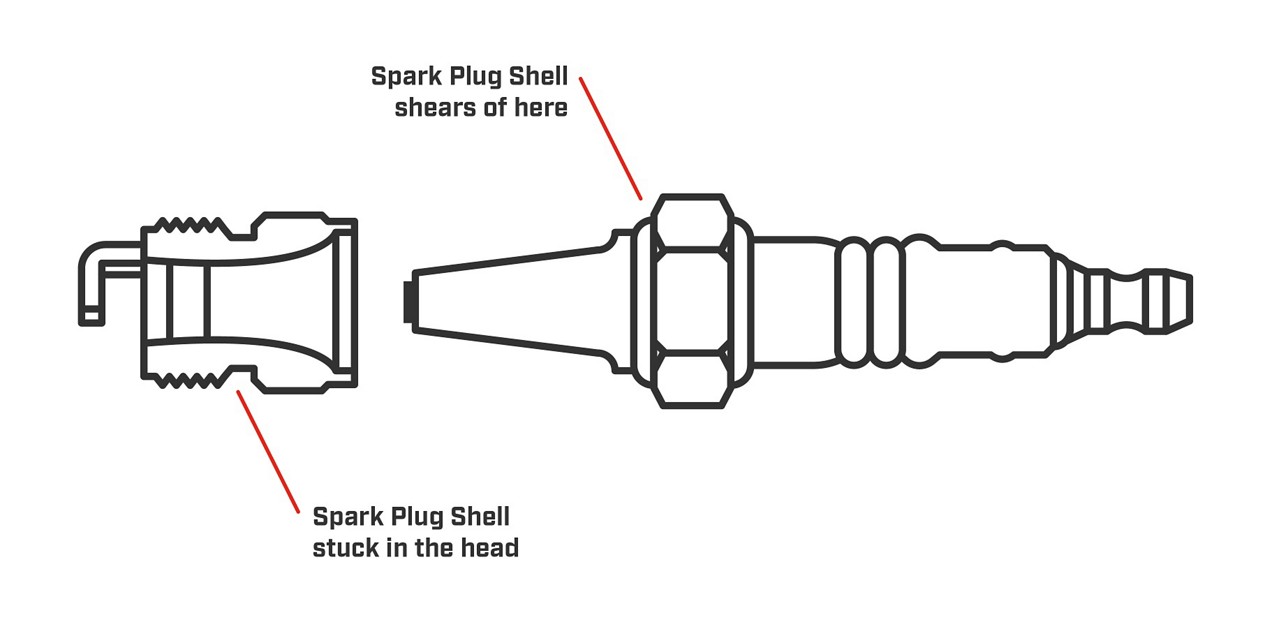
- Forcing the plug: Using excessive force can break the plug or damage threads.
- Ignoring debris: Dirt in the cylinder can cause engine problems after removal.
- Skipping penetrating oil: Removing a dry, corroded plug increases the risk of damage.
- Using wrong tools: An incorrect socket size can strip the plug or damage the head.
A non-obvious tip: If the plug won’t budge after several attempts, wait overnight after applying penetrating oil. Sometimes, giving the oil time to work is all it takes.
After Removal: Inspect And Prepare
Once the plug is out, examine both the plug and the cylinder head. Look for:
- Thread damage: If threads are stripped, you may need a thread repair kit.
- Corrosion: Clean the area with a wire brush or special cleaner.
- Carbon buildup: Remove residue before installing a new plug.
Apply a small amount of anti-seize compound to the new plug’s threads. This prevents future freezing. Always use a torque wrench to tighten the plug to the manufacturer’s specification, not just by feel.
Preventing Frozen Spark Plugs In The Future
Prevention is easier than removal. Here’s what works:
- Use anti-seize compound on threads.
- Replace plugs on schedule (every 30,000–100,000 miles, depending on type).
- Avoid overtightening—always use a torque wrench.
- Keep engine components clean and dry.
- Inspect plugs regularly for signs of corrosion or buildup.
According to NGK Spark Plugs, regular maintenance is the best way to prevent plugs from seizing and prolong engine life.
Frequently Asked Questions
How Do I Know If My Spark Plug Is Frozen?
If the spark plug won’t turn easily, feels stuck, or resists movement even after applying force, it is likely frozen. Visible rust or carbon buildup is another sign.
Can I Use Wd-40 Instead Of Penetrating Oil?
WD-40 can help, but specialized penetrating oils like PB Blaster or Liquid Wrench are more effective against heavy corrosion.
What Happens If The Spark Plug Breaks?
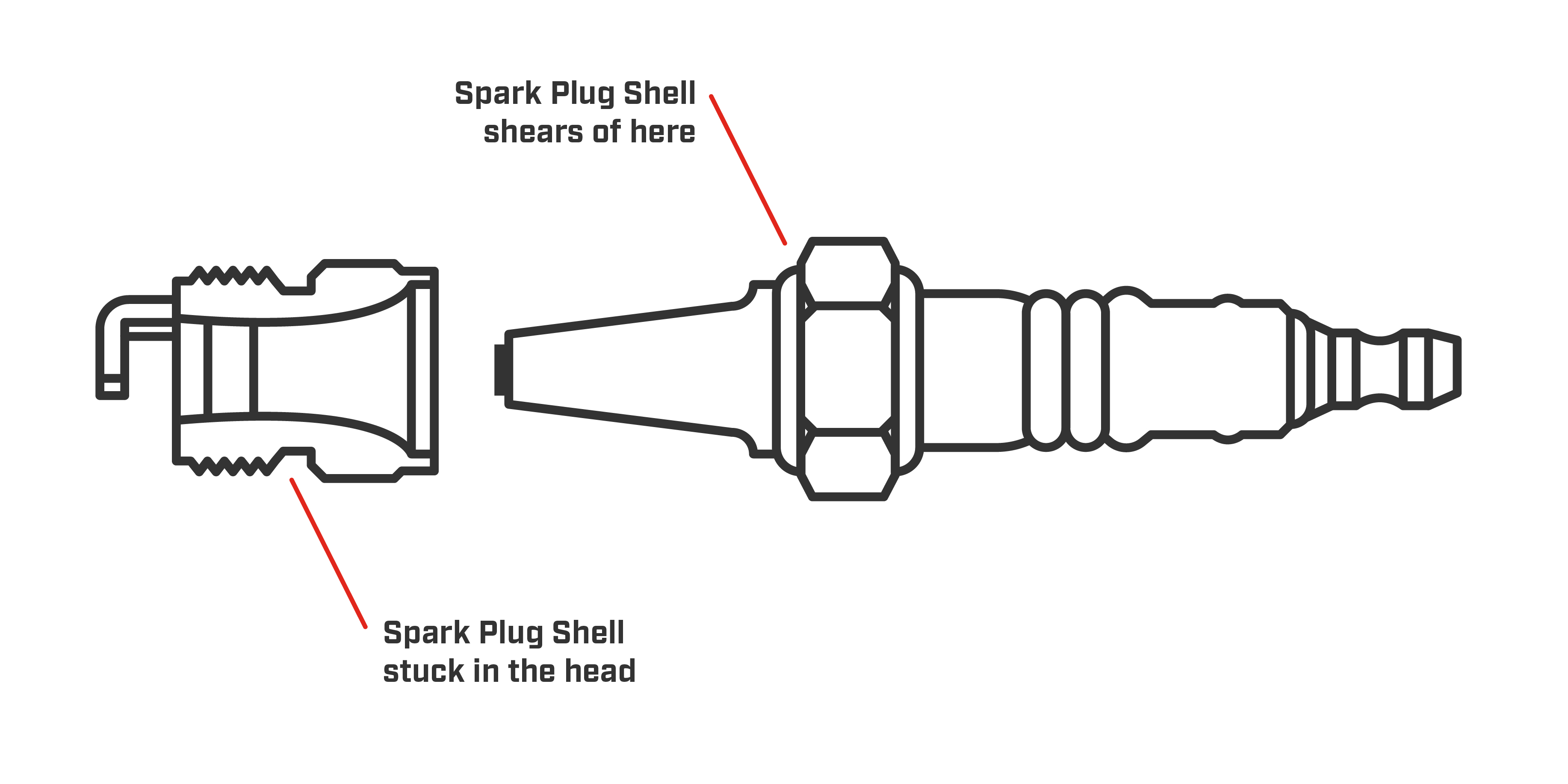
A broken spark plug can leave part of it inside the cylinder head. This requires special tools or professional help to remove. Avoid forcing the plug to prevent breakage.
Is Heat Always Necessary?
No, heat is needed only if penetrating oil and gentle turning do not work. Heat helps expand metal and loosen tough plugs, but use it carefully.
How Often Should I Check Spark Plugs?
Inspect spark plugs every 30,000–50,000 miles or as recommended by your vehicle’s manual. Early checks can catch issues before plugs freeze.
Removing a frozen spark plug takes patience and the right approach. With careful preparation, proper tools, and attention to detail, you can avoid costly mistakes and keep your engine running smoothly. If you ever feel unsure, seek professional advice—sometimes experience is the best teacher.