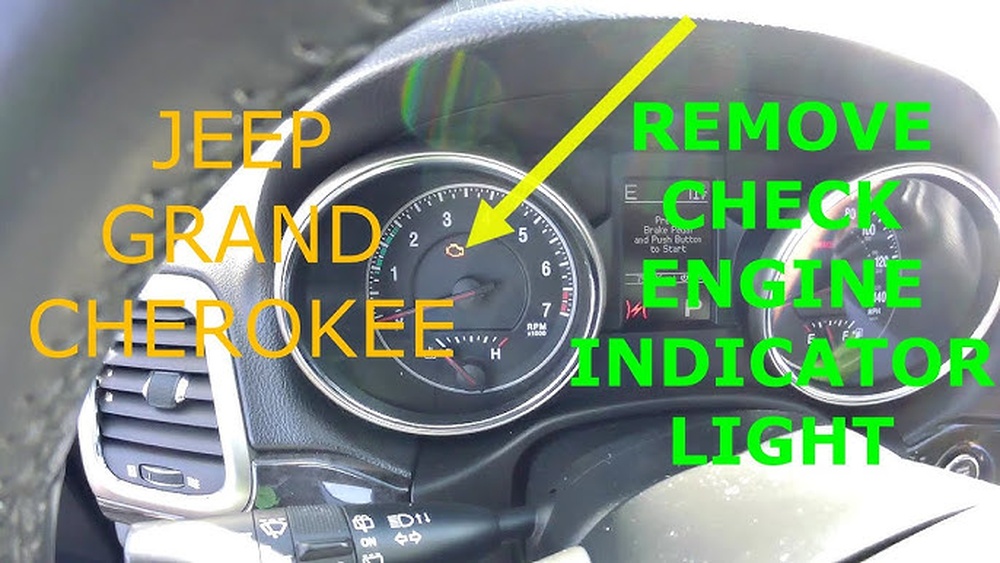
If you drive a Jeep Wrangler, you know it’s built for adventure. But even tough vehicles need careful maintenance. One common problem is the tire pressure light staying on the dashboard. This light warns you about air pressure in your tires. If it’s on, your tires may be unsafe. Sometimes, though, the light stays on even after fixing the tires. In this article, you’ll learn how to reset the tire pressure light on a Jeep Wrangler, why it matters, and what mistakes to avoid.
What Does The Tire Pressure Light Mean?
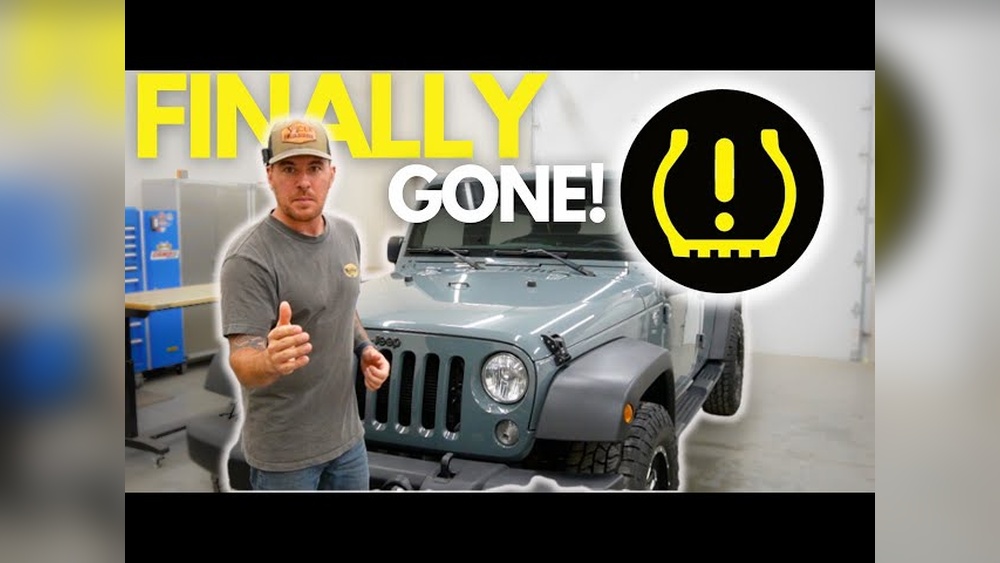
The tire pressure monitoring system (TPMS) checks your tire air pressure. When the light turns on, it means at least one tire has low pressure. Driving with low tire pressure can cause:
- Poor fuel economy
- Less control on the road
- Faster tire wear
- Higher risk of accidents
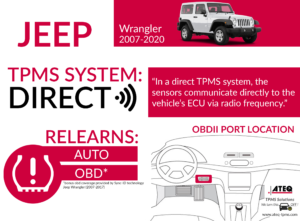
According to the National Highway Traffic Safety Administration (NHTSA), under-inflated tires are a factor in over 11,000 accidents every year. Most Jeep Wranglers from 2007 onwards have TPMS sensors in each wheel.
Common Reasons The Light Stays On
You may see the tire pressure light for several reasons:
- Low tire pressure: Air drops below the recommended level.
- Cold weather: Air contracts, lowering pressure.
- Faulty sensor: TPMS sensor is damaged or battery is dead.
- Changed tires or wheels: New tires or wheels may need sensor reset.
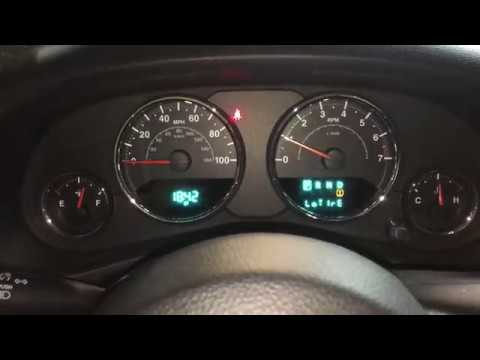
Sometimes, even after refilling the tires, the light won’t turn off. This means you need to reset the system.
How To Check And Adjust Tire Pressure
Before resetting, always check tire pressure with a reliable gauge. The recommended pressure for most Jeep Wranglers is 35 PSI (pounds per square inch), but check your owner’s manual or the sticker inside the driver’s door.
Steps to check and adjust:
- Remove the valve cap from each tire.
- Use the gauge to measure pressure.
- Add air if below 35 PSI. Release air if above.
- Replace the cap.
Comparing pressure gauges can help you choose the best tool:
| Gauge Type | Accuracy | Ease of Use | Average Cost |
|---|---|---|---|
| Digital | High | Easy | $15-$30 |
| Dial | Medium | Moderate | $10-$20 |
| Stick | Low | Easy | $5-$10 |
How To Reset Tire Pressure Light On Jeep Wrangler
After inflating your tires, the light should turn off. If it doesn’t, try these steps:
1. Drive For A Few Minutes
The simplest way is to drive your Jeep for 10–15 minutes at speeds over 15 mph. This lets the sensors refresh and the TPMS light should turn off.
2. Manual Reset Procedure
Some Jeep Wranglers allow a manual reset:
- Turn the ignition to ON, but don’t start the engine.
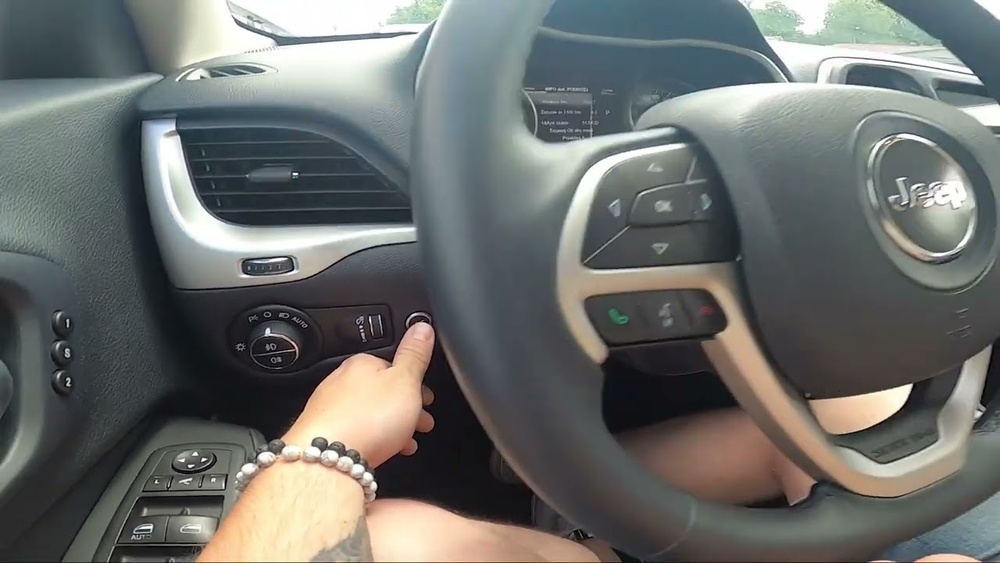
- Press and hold the TPMS reset button (usually below the steering wheel) for 3 seconds.
- Release the button. Wait for the light to blink and then turn off.
- Start your vehicle and drive for several minutes.
Not all models have a reset button. Check your manual.
3. Disconnect And Reconnect The Battery
If the above steps don’t work:
- Turn off your Jeep.
- Open the hood and locate the battery.
- Remove the negative cable with a wrench.
- Wait 10–15 minutes.
- Reconnect the cable and tighten.
- Start your Jeep.
This resets most electronics, including the TPMS.
4. Use A Tpms Reset Tool
Some shops and auto stores sell TPMS reset tools. You connect the tool to your OBD-II port and follow instructions. This is useful after changing tires or sensors.
Comparing reset methods:
| Method | Ease | Success Rate | Cost |
|---|---|---|---|
| Driving | Easy | 80% | Free |
| Manual Reset Button | Easy | 70% | Free |
| Battery Disconnect | Moderate | 90% | Free |
| TPMS Tool | Moderate | 95% | $40-$100 |
Mistakes To Avoid When Resetting Tpms
Resetting the tire pressure light can be simple, but mistakes are common:
- Ignoring the light: Never drive long with the TPMS light on.
- Using the wrong tire pressure: Always check your Jeep’s sticker for the correct PSI.
- Forgetting the spare tire: Some models have a sensor on the spare tire.
- Not checking all tires: One low tire can trigger the light.
- Skipping sensor maintenance: TPMS sensors need battery replacement every 5–7 years.
Many beginners miss that cold weather can lower tire pressure overnight. Always check tires in the morning for accurate results.
When To Visit A Mechanic
If the light stays on after all resets, you may have a faulty sensor or a wiring issue. Visit a certified Jeep service center. They have TPMS diagnostic tools and can replace sensors if needed.
A common beginner mistake is not recognizing that aftermarket wheels may not support TPMS. If you change wheels, confirm compatibility.
Data On Tpms Issues
TPMS sensor failures are a leading issue in SUVs. According to a study by AAA, about 12% of vehicles have at least one faulty sensor by year five. Replacing a sensor can cost $50–$100 per wheel.
Some Jeep Wrangler owners report false TPMS warnings after tire rotation. This happens if sensors aren’t reprogrammed. Always ask your mechanic to reset the system after tire changes.
Frequently Asked Questions
How Do I Know Which Tire Is Low On My Jeep Wrangler?
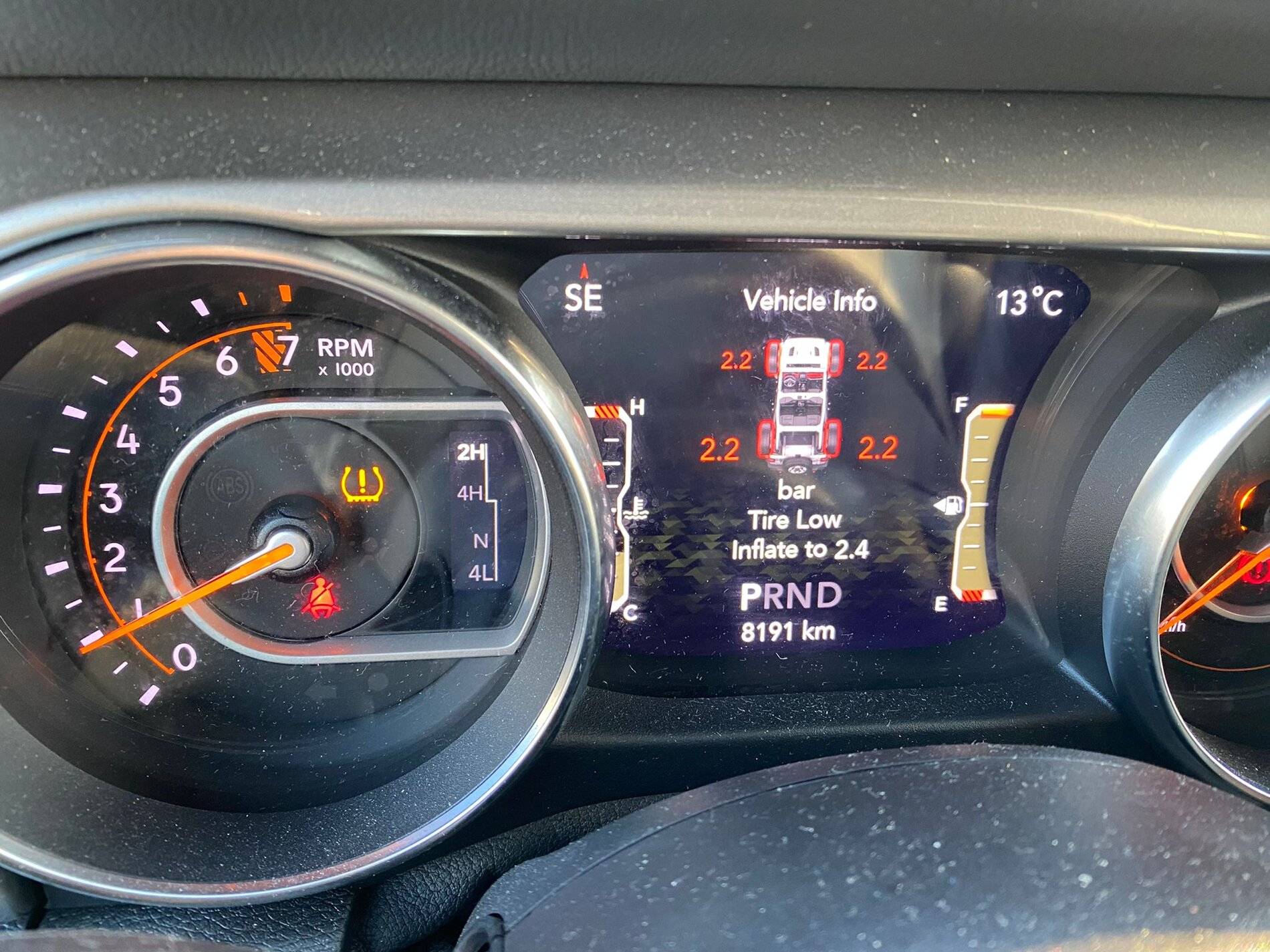
Most newer Wranglers show the exact tire and pressure on the dashboard display. For older models, use a tire gauge to check each tire.
Can I Drive With The Tire Pressure Light On?
It’s not safe. Low tire pressure can cause accidents, poor handling, and faster tire wear. Always fix the issue before driving far.
Does The Spare Tire Have A Tpms Sensor?
Some Jeep Wranglers, especially newer ones, include a sensor in the spare. Always check the spare if the light stays on.
How Often Should I Check Tire Pressure?
Check your tire pressure every month and before long trips. Changes in weather can affect air pressure quickly.
Where Can I Find Official Tpms Info For Jeep Wrangler?
You can find detailed information on TPMS and Jeep Wrangler models at the official Jeep website: Jeep Official Site.
Resetting the tire pressure light on your Jeep Wrangler keeps your vehicle safe and reliable. Always check all tires, use the correct tools, and don’t ignore warning lights. With these steps, you can handle TPMS problems confidently and stay ready for your next adventure.