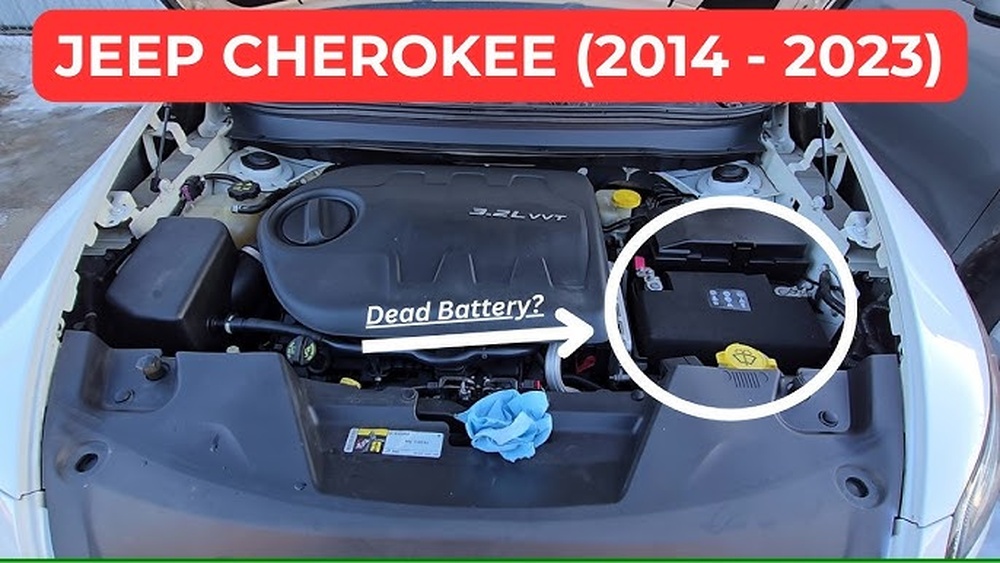
If you’ve noticed your Jeep’s check engine light flickering on and came across the code P2096, you’re probably wondering what it means and how it affects your ride. This code points to an issue with your vehicle’s exhaust system, signaling that your engine might be running too lean—getting too much air and not enough fuel.
Ignoring it can lead to rough idling, poor fuel economy, or even engine misfires, which no Jeep owner wants. You’ll discover exactly what causes the Jeep DTC P2096, how to spot the symptoms early, and what steps you can take to fix it before it turns into a bigger problem.
Keep reading to protect your Jeep’s performance and keep your drives smooth and worry-free.
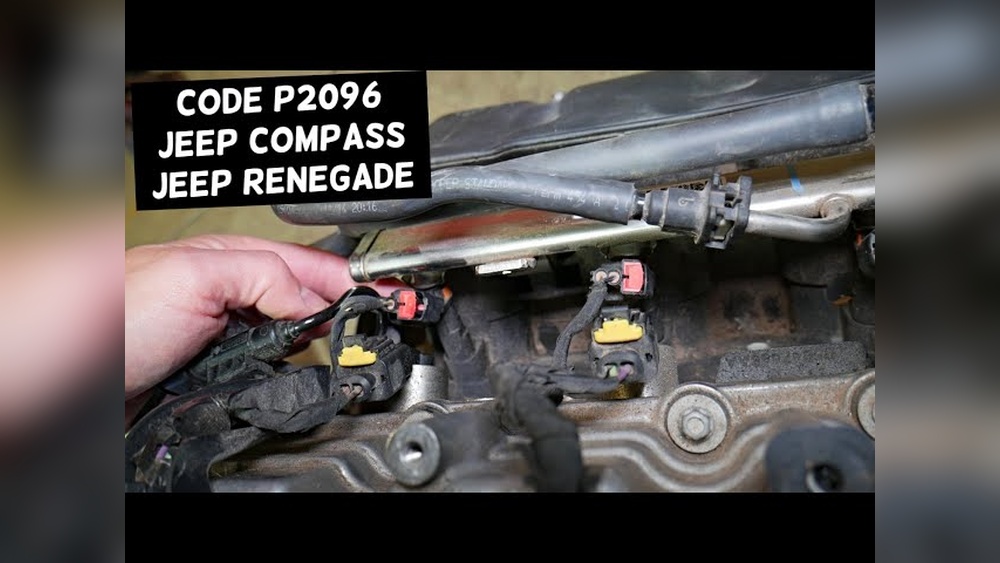
What P2096 Means
Exhaust leaks are a common cause of the Jeep DTC P2096 error code. This issue occurs when extra air enters the exhaust system. The engine control unit (ECU) then detects a lean condition. This means there is too much air and not enough fuel in the exhaust gases. Exhaust leaks can reduce engine performance and increase emissions. They often cause the check engine light to turn on.
Identifying Leak Locations
Exhaust leaks can happen anywhere between the oxygen sensors. Start by checking around the exhaust manifold. Look closely at the flanges connecting the exhaust pipes. Cracks or holes in the pipes are common leak points. Listen for hissing or popping sounds when the engine runs. These noises often show where air is escaping. You may also spot soot marks near the leak. Use a smoke test to find hidden leaks inside the exhaust system.
Fixing Cracks And Loose Flanges
Small cracks can be repaired with exhaust sealant or patch kits. Clean the area before applying the sealant. For larger cracks, replace the damaged pipe section. Loose flanges need tightening or new gaskets. Remove rust or debris before installing new parts. Secure the flange bolts evenly to prevent leaks. After repairs, clear the error code from the ECU. Then, test drive to confirm the fix was successful.
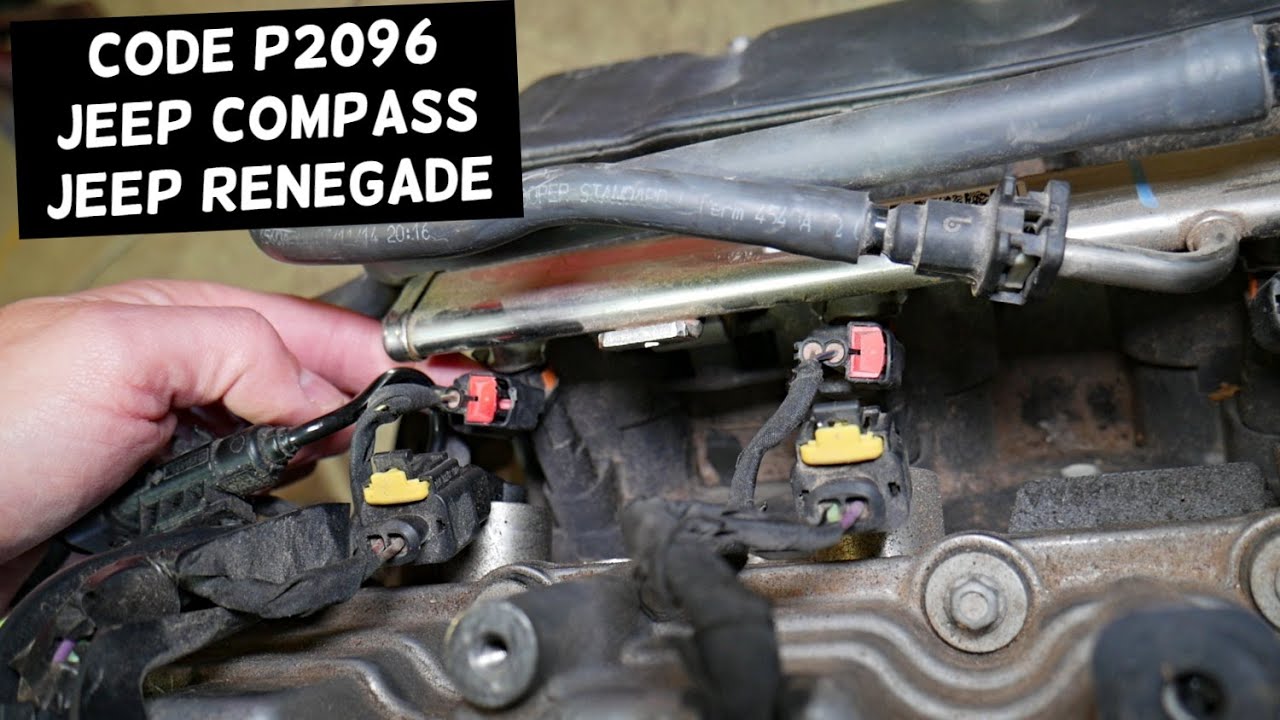
Exhaust Leaks
The fuel system plays a key role in your Jeep’s engine performance. Fuel system checks help identify issues causing the P2096 trouble code. This code signals a lean condition, meaning the engine gets too much air and not enough fuel. Fixing fuel delivery problems restores balance and engine health.
Regular checks of fuel components prevent drivability issues. Fuel leaks, weak pumps, or clogged injectors can trigger lean fuel conditions. Careful inspection helps pinpoint the exact cause and avoid costly repairs.
Detecting Lean Fuel Conditions
Lean fuel conditions happen when there is not enough fuel in the air-fuel mixture. Symptoms include rough idling, hesitation, or engine misfires. A scan tool can confirm the P2096 code and check fuel trim data. High positive fuel trims indicate the engine is trying to add more fuel to compensate. Visual checks for fuel leaks or damaged hoses also help find air intrusion points. Ensuring no vacuum leaks exist is essential as they cause lean conditions.
Fuel Injector And Pump Inspection
Fuel injectors spray fuel into the engine cylinders. Clogged or leaking injectors disrupt fuel flow and cause lean mixes. Cleaning or replacing faulty injectors restores fuel delivery. The fuel pump must maintain proper pressure for consistent fuel supply. Testing pump pressure with a gauge shows if it meets manufacturer specs. Weak or failing pumps cause low fuel pressure and lean conditions. Replacing a bad pump prevents engine damage and improves performance.
Oxygen Sensor Issues
Troubleshooting Jeep DTC P2096 can be frustrating. This code signals a lean condition after the catalytic converter. You can try some simple repairs at home before visiting a mechanic. These DIY repair tips help you understand quick fixes and recognize when professional help is necessary.
Start by inspecting basic parts. Some issues are easy to spot and fix, such as leaks or loose connections. Follow safety steps and use proper tools for your Jeep model.
Temporary Fixes To Try
Check the exhaust system for leaks. Small cracks or loose clamps can let extra air in. Use exhaust sealant or tighten bolts to stop leaks temporarily.
Inspect the oxygen sensors. Dirt or damage can cause false readings. Clean sensor connectors carefully or replace faulty sensors if you have spares.
Look for vacuum leaks under the hood. Use soapy water on hoses while the engine runs. Bubbles show leaks. Tape or replace damaged vacuum lines for a quick fix.
Clear the code after repairs with an OBD-II scanner. See if the check engine light returns. This step confirms if the temporary fix worked.
When To Seek Professional Help
Persistent codes after temporary fixes need expert diagnosis. Complex issues with catalytic converters or fuel injectors require advanced tools.
Unusual engine noises or performance problems signal serious faults. A mechanic can safely check fuel pressure and sensor outputs.
Delaying professional service can cause more damage. Trust trained technicians for repairs beyond basic fixes. This saves time and money in the long run.
Frequently Asked Questions
How To Fix Jeep Code P2096?
Fix Jeep code P2096 by checking for exhaust leaks, replacing a faulty oxygen sensor, and inspecting the catalytic converter. Clear the code after repairs.
What Is The Most Common Cause Of The P2096 Code?
The most common cause of P2096 code is an exhaust leak between the upstream and downstream oxygen sensors.
Which O2 Sensor Is P2096?
The P2096 code identifies the post-catalytic oxygen sensor (O2 sensor) detecting a lean condition. It signals too much air or exhaust leaks.
How Long Can I Drive With A P2096 Code?
Driving with a P2096 code is risky. Limit driving to essential trips only. Repair the issue promptly to avoid engine damage.
Conclusion
The Jeep DTC P2096 signals a lean exhaust condition. This issue can cause rough idling and poor fuel economy. Common causes include exhaust leaks, bad oxygen sensors, or a clogged catalytic converter. Fixing these problems helps your Jeep run smoothly again.
Regular maintenance can prevent this trouble. Watch for signs early to avoid costly repairs. Understanding this code keeps your vehicle in good shape. Stay alert and keep your Jeep performing at its best.