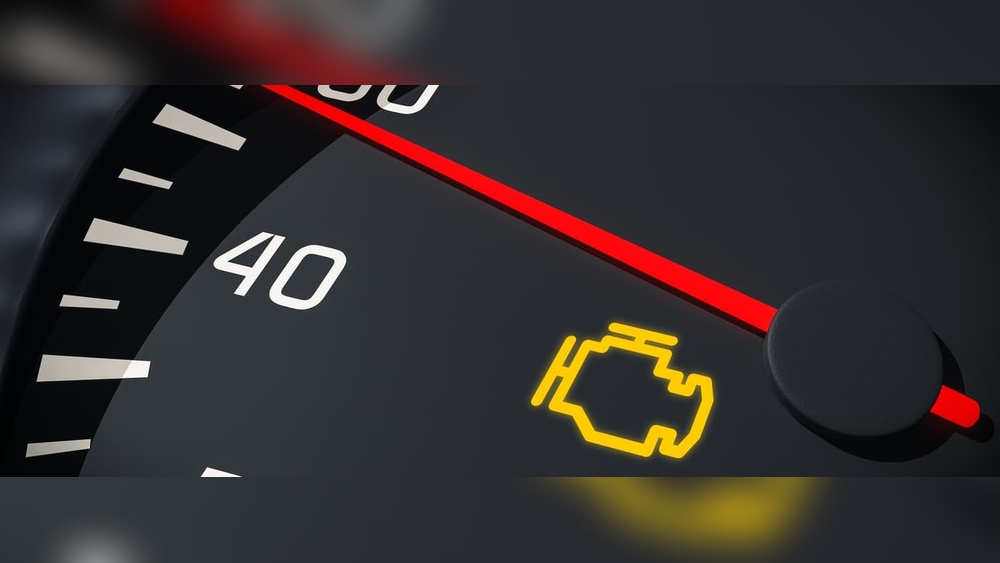
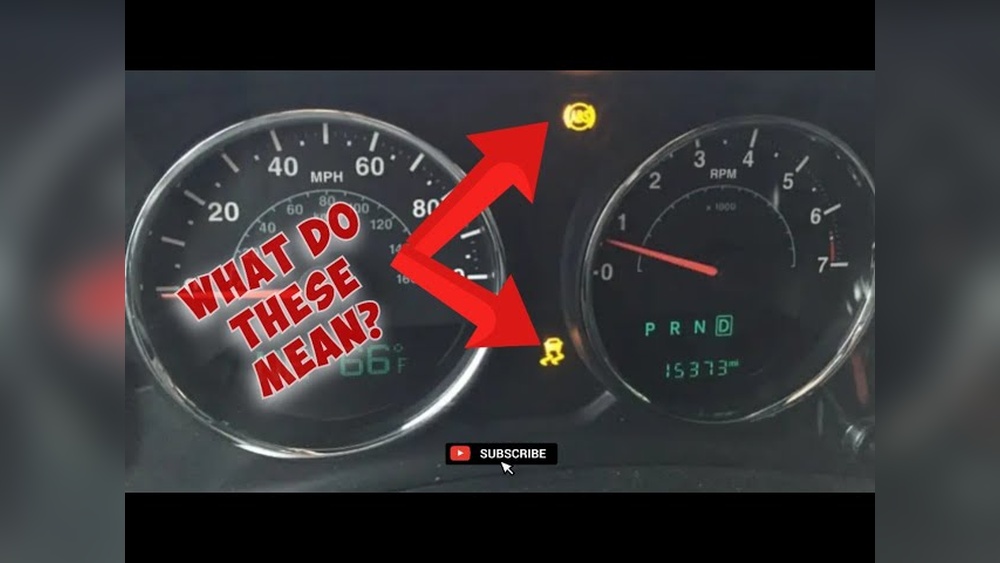
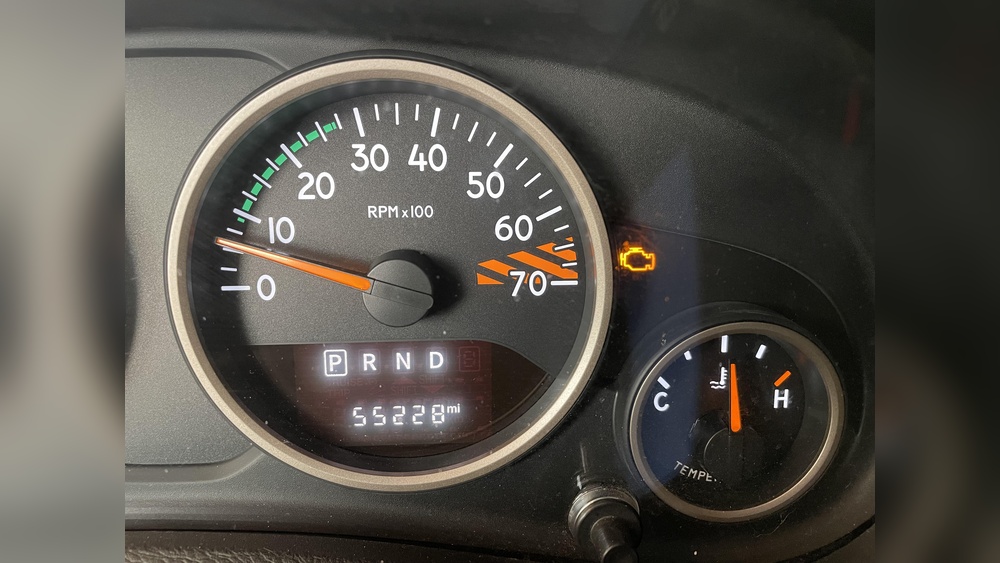
If you’ve seen the code Jeep DTC P0520 pop up on your dashboard, you’re probably wondering what it means and how it affects your vehicle. This warning points to a problem with your engine’s oil pressure sensor, a small but crucial part that keeps your Jeep running smoothly.
Ignoring it could lead to bigger engine troubles and costly repairs. You’ll learn exactly what causes this code, how to spot the symptoms early, and the steps you can take to fix it yourself or know when to call a professional.
Keep reading to protect your Jeep and avoid unexpected breakdowns.
Symptoms Of P0520 Code
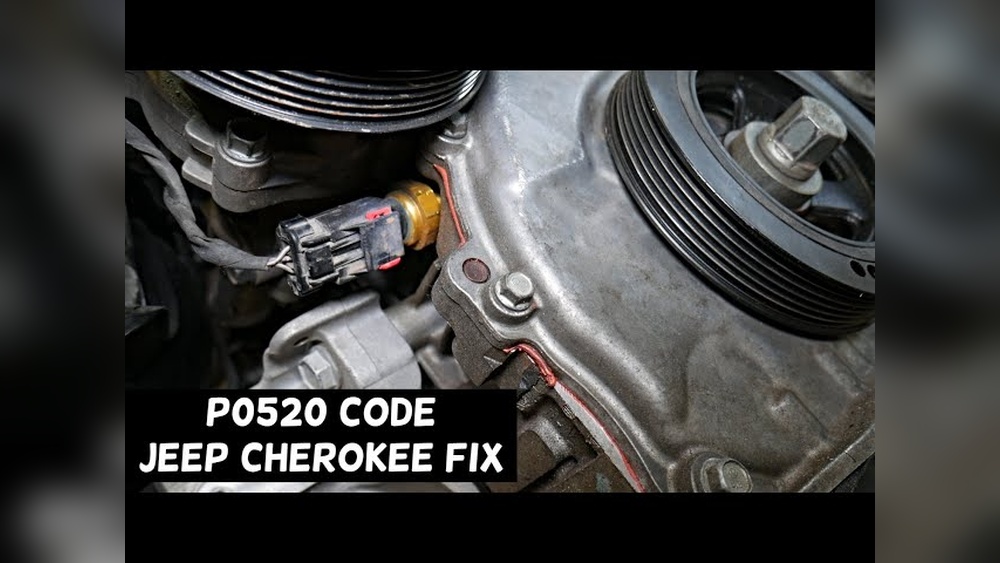
Locating the oil pressure sensor is the first step to diagnose Jeep DTC P0520. This sensor monitors the engine’s oil pressure. Knowing its exact position helps in quick inspection or replacement. The sensor position varies by Jeep model. You may need specific tools to reach it safely.
Sensor Position On Jeep Models
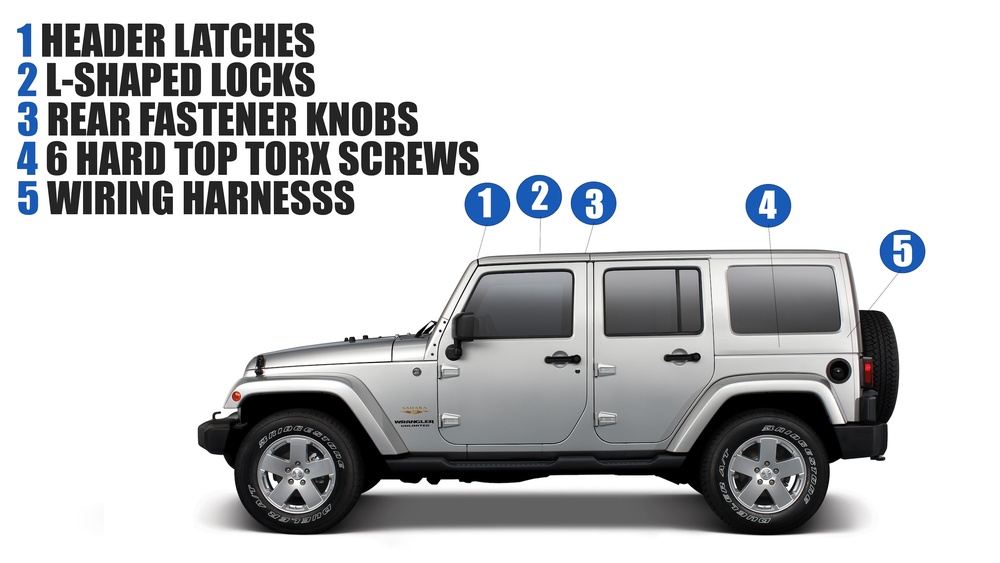
The oil pressure sensor is usually on the engine block. In Jeep Wranglers, it sits near the oil filter housing. Grand Cherokees often have it on the passenger side of the engine. For Jeep Cherokees, look close to the lower intake manifold. Some models require removing parts like the upper intake to access the sensor.
Tools Needed For Access
You will need a socket set with extensions to reach the sensor. A ratchet wrench helps in tight spaces. Sometimes a swivel adapter is useful for angled access. A flathead screwdriver may be needed to disconnect the sensor plug. Gloves protect your hands from hot engine parts. Have a clean rag ready to wipe any oil spills.

Common Causes
Verifying the oil pressure accurately is vital when diagnosing Jeep DTC P0520. The sensor might show incorrect readings due to faults or wiring issues. Using advanced methods helps confirm if the engine’s actual oil pressure is safe.
Testing beyond the sensor ensures the problem is not just an electrical fault. Accurate pressure measurement can reveal if the oil pump or engine bearings have issues. This step saves time and prevents unnecessary parts replacement.
Using Mechanical Oil Pressure Gauges
A mechanical oil pressure gauge offers a reliable way to check true oil pressure. It connects directly to the oil pressure port on the engine. This tool bypasses the sensor and electrical system for a direct reading.
The gauge shows oil pressure in real time as the engine runs. Compare the reading with the Jeep’s factory specifications. Low or no pressure indicates engine wear or pump failure. Normal pressure means the sensor or wiring likely causes the fault code.
When To Consult A Mechanic
Some pressure verification tasks require professional tools and skills. Mechanics have the experience to interpret oil pressure readings correctly. They can spot subtle issues that may not be obvious to owners.
Consult a mechanic if the code persists after sensor replacement. Also, seek help if you lack the tools or confidence to use a mechanical gauge. Proper diagnosis prevents engine damage and costly repairs.

Frequently Asked Questions
What Does Jeep Dtc P0520 Code Mean?
The P0520 code means a problem with the engine oil pressure sensor circuit. It signals the sensor is not sending correct oil pressure data to the ECU.
What Causes Jeep Dtc P0520 Error Code?
Common causes include a faulty oil pressure sensor, damaged wiring or connectors, and actual low oil pressure due to engine wear or oil pump failure.
How To Diagnose Jeep Dtc P0520 Code?
Check engine oil level and condition first. Then inspect sensor wiring and connections. Replace the sensor if wiring and oil are fine. A mechanic can test actual oil pressure if needed.
Where Is The Oil Pressure Sensor Located On Jeep?
The sensor is typically on the passenger side near the back of the engine block. It may be under the water pump or close to the oil filter adapter.
Conclusion
The Jeep DTC P0520 code points to an oil pressure sensor issue. Ignoring it can harm your engine’s health. Regular checks help catch problems early. Fixing wiring or replacing the sensor often clears the code. Keep your Jeep’s oil at the right level and quality.
If problems persist, professional help ensures accurate diagnosis. Staying on top of maintenance protects your vehicle and saves money. Don’t delay repairs; your Jeep depends on proper oil pressure. Simple steps can keep your ride running smoothly.