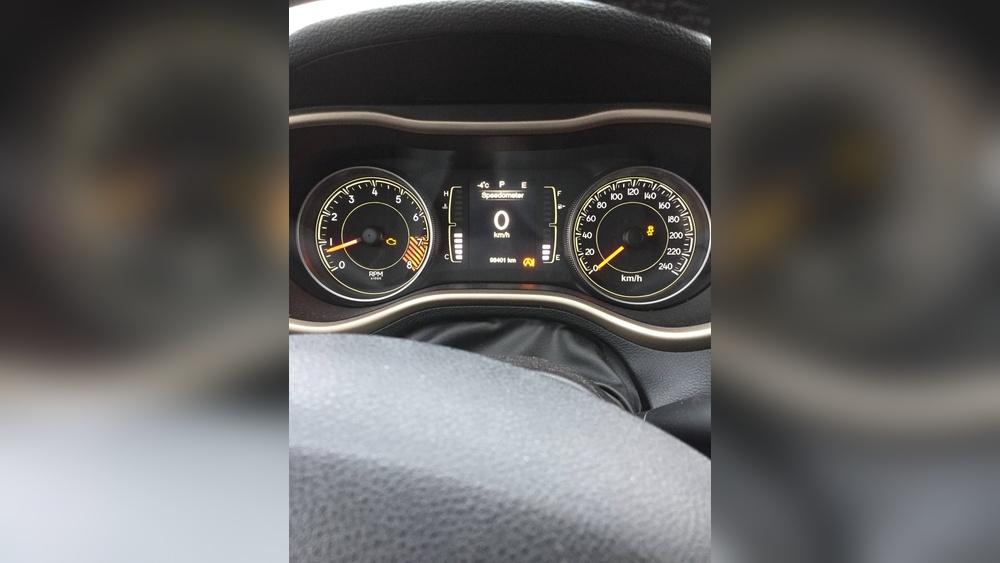
If you’ve noticed your Jeep’s check engine light flickering on, or if your ride feels rough and your fuel economy is dropping, you might be dealing with the Jeep P0032 trouble code. This code points to a problem with your oxygen sensor’s heater circuit, and ignoring it could lead to bigger, costlier issues down the road.
But don’t worry—understanding what P0032 means and how to fix it is easier than you think. You’ll learn the key symptoms, common causes, and simple steps to diagnose and solve the problem, so you can get your Jeep running smoothly again.
Keep reading to protect your vehicle and save yourself time and money.
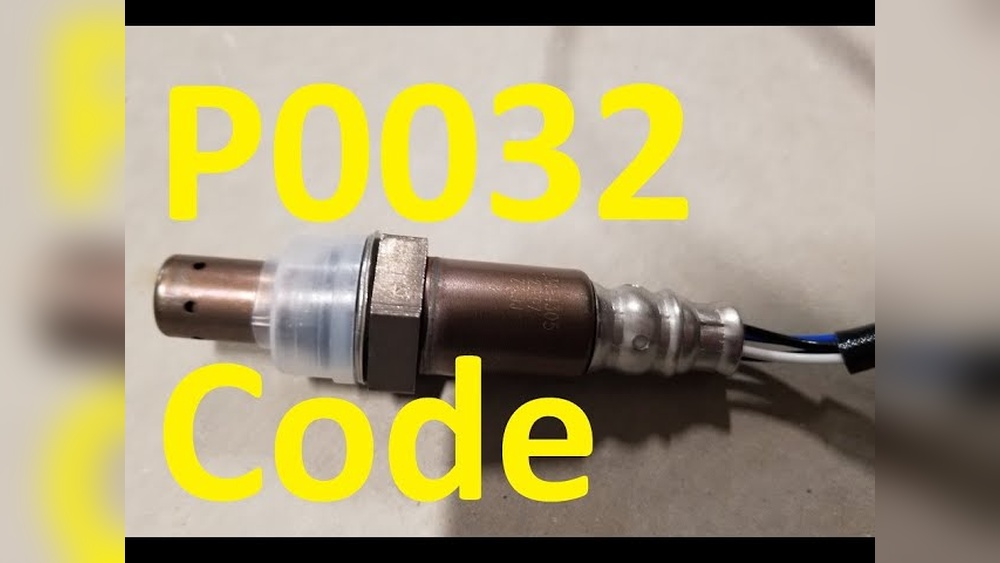
Symptoms Of Code P0032
Code P0032 signals a problem with the oxygen sensor heater circuit in your Jeep. This code often points to issues in the bank one sensor located before the catalytic converter. Recognizing the symptoms early can help prevent further engine damage and costly repairs.
Check Engine Light
The most obvious sign of code P0032 is the check engine light turning on. It may flash or stay steady on your dashboard. Ignoring this warning can lead to worsening engine problems.
Fuel Economy Drop
Your Jeep may start using more fuel than usual. A faulty oxygen sensor can send wrong signals to the engine control unit. This results in poor fuel mixture and lower gas mileage.
Engine Idle Issues
The engine might run rough or have an unstable idle. You could notice shaking or stalling when the vehicle is stopped. These problems happen because the sensor isn’t providing accurate data.
Causes Of P0032 Code
Diagnosing the oxygen sensor is crucial for fixing the P0032 code in your Jeep. The oxygen sensor monitors exhaust gases and helps control fuel mixture. A faulty sensor can cause poor engine performance and higher emissions. Checking the sensor’s electrical components reveals if it works correctly or needs replacement.
Testing Heater Circuit Resistance
Use a multimeter to measure the heater circuit resistance in the oxygen sensor. Disconnect the sensor from the wiring harness. Set the multimeter to the ohms (Ω) setting. Place the probes on the heater circuit terminals of the sensor. Compare the reading to the manufacturer’s specifications. Resistance outside the normal range means the heater is faulty and the sensor should be replaced.
Inspecting Wiring And Connectors
Look closely at the wiring and connectors leading to the oxygen sensor. Check for any signs of damage, such as frayed or broken wires. Inspect the connectors for corrosion, dirt, or moisture buildup. Clean or repair any issues found to ensure a solid electrical connection. Poor wiring or connectors can cause false sensor readings and trigger the P0032 code.
Diagnosing The Oxygen Sensor
Repairing the oxygen sensor is a key step in fixing the Jeep P0032 code. This sensor helps the engine control module adjust the air-fuel mixture. A faulty sensor can cause poor fuel economy and rough engine performance. Proper repair restores smooth driving and lowers emissions.
Replacing The Oxygen Sensor
Start by locating the faulty oxygen sensor, usually in bank one, before the catalytic converter. Use a wrench to carefully remove the old sensor. Install the new sensor by threading it into place and tightening securely. Always use a sensor designed for your Jeep model. After replacement, clear the error codes with an OBD-II scanner. This step confirms the repair success.
Fixing Wiring And Connectors
Inspect the wiring and connectors linked to the oxygen sensor. Look for frayed, burned, or broken wires. Clean any corroded connectors with an electrical contact cleaner. Repair damaged wires by splicing or replacing them with matching gauge wire. Secure connectors to prevent moisture intrusion. Faulty wiring can cause false sensor readings and trigger the P0032 code.
When To Replace The Catalytic Converter
The catalytic converter may need replacement if the oxygen sensor repair does not fix the code. A clogged or damaged converter affects sensor readings and engine performance. Signs include a strong sulfur smell or reduced engine power. Testing the converter with a backpressure gauge helps diagnose problems. Replace the converter to avoid damage to the new oxygen sensor and improve emissions control.


Frequently Asked Questions
How Do I Fix A P0032 Code?
Fix a P0032 code by testing the oxygen sensor heater circuit with a multimeter. Replace the faulty sensor if readings are abnormal. Check wiring and connectors for damage or corrosion. Clear the code with an OBD-II scanner after repairs to confirm the issue is resolved.
What Triggers A P0032 Code?
A P0032 code triggers due to a faulty oxygen sensor heater circuit, damaged wiring, or corroded sensor connectors.
What Are The Three Common Causes Of O2 Sensor Failure?
The three common causes of O2 sensor failure are a failed internal heater, damaged wiring, and corroded connectors.
How Do I Fix My O2 Sensor Delayed Response?
Test the oxygen sensor’s heater circuit with a multimeter. Replace the sensor if readings are out of range. Check and repair damaged wiring or corroded connectors. Clear error codes with an OBD-II scanner after repairs. Ensure the catalytic converter functions properly to avoid delayed sensor response.
Conclusion
The Jeep P0032 code signals a problem with the oxygen sensor heater. Fixing this issue keeps your engine running smoothly and saves fuel. Testing the sensor with a multimeter helps find the exact cause. Replacing a bad sensor or repairing wiring often solves the problem.
Clearing the code after repair ensures the issue is gone. Stay alert for warning signs like rough idling or low fuel efficiency. Timely action prevents bigger engine troubles and costly repairs. Keep your Jeep healthy and enjoy safer drives on every trip.