If you’ve noticed the check engine light glowing on your Jeep Grand Cherokee and the code P0440 popped up, you’re probably wondering what’s going on and how to fix it. This code points to an issue with your vehicle’s Evaporative Emission (EVAP) system, which plays a key role in controlling harmful fuel vapors.
Ignoring it could lead to poor fuel efficiency, increased emissions, or even a failed inspection. But don’t worry—understanding what causes the P0440 code and how to diagnose it can save you time, money, and stress. Keep reading to learn the common culprits behind this problem, simple checks you can do yourself, and when it’s time to see a professional.
Your Jeep deserves the best care, and you deserve peace of mind.

Evap System And P0440 Code
The EVAP system controls fuel vapors and stops them from escaping into the air. It captures vapors from the gas tank and sends them back to the engine to burn. The P0440 code signals a problem in this system, specifically a general EVAP system malfunction. This code triggers the check engine light in your Jeep Grand Cherokee.
Understanding the EVAP system and the P0440 code helps diagnose and fix the issue quickly. It protects the environment and keeps your Jeep running efficiently. Below, learn what triggers the P0440 code and the key EVAP parts involved.
What Triggers P0440 In Jeep Grand Cherokee
The P0440 code appears when the EVAP system fails to hold pressure. It can be caused by a loose or damaged gas cap. Cracked or broken hoses also lead to vapor leaks. Faulty valves that control vapor flow may stick or stop working. Another cause is a failing sensor or pump in the EVAP system.
Leaks anywhere in the vapor containment path cause this code. The system runs self-tests and reports faults to the engine control unit. This triggers the check engine light and stores the P0440 trouble code.
Key Evap Components Involved
The main parts tied to the P0440 code include the gas cap, which seals the fuel tank. The charcoal canister stores fuel vapors before they move to the engine. Purge and vent valves control the flow of vapors in the system. The ESIM (Evaporative System Integrity Monitor) checks system pressure and looks for leaks.
Hoses connect these components and carry vapors safely. Any damage or failure in these parts can cause the P0440 code. Regular inspection of these components helps keep the EVAP system working properly and avoids costly repairs.

Common Causes Of P0440
The Jeep Grand Cherokee P0440 code signals a problem in the EVAP system. This code appears when the system detects a leak or failure in controlling fuel vapors. Several parts can cause this issue, and understanding them helps in quick diagnosis and repair.
Many Jeep owners face this code due to common faults in the EVAP system. These faults stop the system from holding pressure or properly venting fuel vapors. Below are typical causes that lead to the P0440 code.
Failed Esim Switch And O-ring Issues
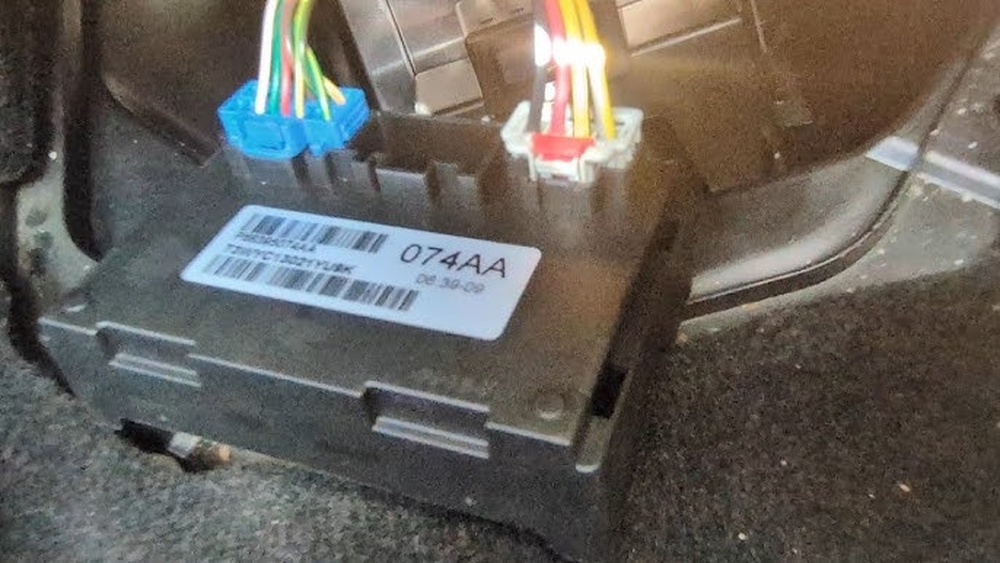
The ESIM (Evaporative System Integrity Monitor) switch checks system pressure. It is near the charcoal canister, usually behind the driver’s side rear wheel. A failed ESIM switch cannot detect leaks or pressure correctly.
The O-ring on the ESIM can wear out or crack over time. A damaged O-ring causes air leaks. This leak triggers the P0440 code by letting vapors escape.
Faulty Purge And Vent Valves
The purge valve controls when fuel vapors enter the engine. The vent valve lets fresh air in to replace vapors. Either valve can get stuck open or closed.
Faulty valves cause incorrect pressure or vapor flow. Electronic failures in these valves also lead to leaks. The system then cannot maintain vapor containment, setting off the P0440 code.
Cracked Or Disconnected Evap Hoses
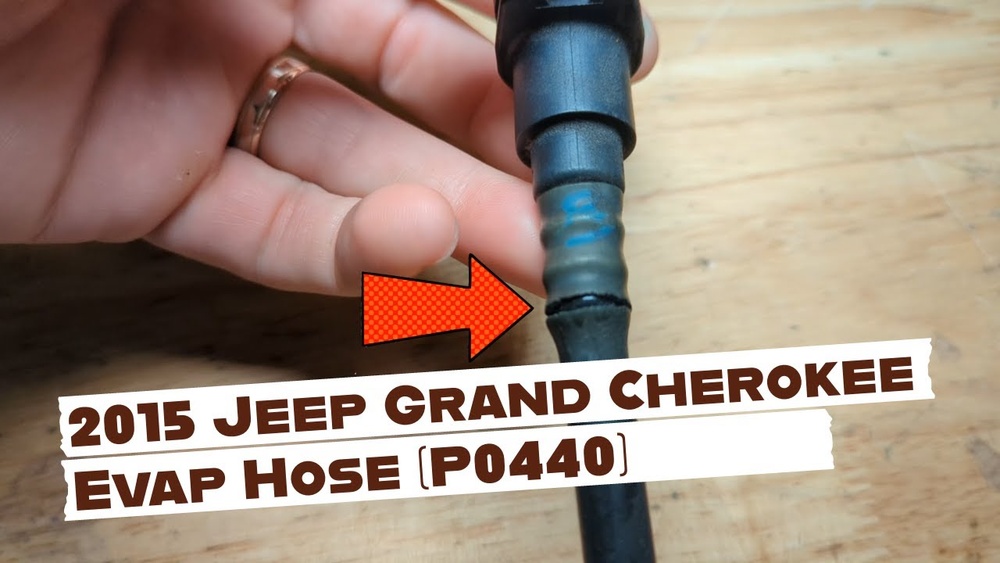
EVAP hoses carry fuel vapors between system parts. These hoses run along the engine and under the vehicle. Over time, heat and vibration can crack or disconnect these hoses.
Even a small crack lets vapors escape. Loose or disconnected hoses break the sealed system. Both conditions cause the P0440 trouble code to appear.
Diagnosing The P0440 Code
Diagnosing the P0440 code in a Jeep Grand Cherokee involves checking the EVAP system carefully. This code signals a problem with the system that controls fuel vapor emissions. The goal is to find leaks or faulty parts that cause the issue.
Start by looking at the EVAP hoses under the hood. These hoses carry fuel vapors and must be intact and connected well. Next, test the ESIM module. This sensor monitors system pressure and can fail or leak. Lastly, examine the purge and vent valves. These valves control vapor flow and can stick or malfunction.
Inspecting Under-hood Evap Hoses
Open the hood and find the EVAP hoses. They are thin tubes running near the engine. Look closely for cracks, holes, or loose clamps. Even small leaks let vapors escape and trigger the P0440 code. Press gently on the hoses to check for softness or damage. Replace any hose that looks worn out or broken.
Checking The Esim Module
The ESIM module sits near the driver’s side rear wheel. It monitors the EVAP system pressure. First, ensure the ESIM is locked firmly in place. Next, check the rubber O-ring for cracks or wear. A damaged O-ring lets air in, causing system errors. If the ESIM or O-ring shows damage, replace the faulty parts to restore system integrity.
Testing Purge And Vent Valves
The purge valve is near the engine and controls vapor flow to the intake. The vent valve allows air in and out of the EVAP canister. Use a multimeter to test their electrical function. Also, check if they open and close smoothly. Valves stuck open or closed cause incorrect pressure readings. Replace valves that fail electrical or mechanical tests.

Quick Fixes For P0440
The P0440 code signals a problem in the EVAP system of your Jeep Grand Cherokee. This code points to leaks or faults that let fuel vapors escape into the air. Quick fixes often solve this issue without costly repairs. Simple checks and replacements restore proper function fast. Focus on key parts that commonly fail in the EVAP system. These fixes keep emissions low and the check engine light off.
Replacing The Esim Switch And Seal
The ESIM switch monitors the EVAP system pressure. A faulty ESIM switch can trigger the P0440 code. Start by locating the ESIM behind the driver’s side rear wheel. Remove it carefully and check the rubber seal or O-ring. Old seals often crack or wear out, causing leaks. Replace the ESIM switch and seal with new parts. Make sure the new seal fits tightly to hold pressure. Reinstall the ESIM and clear the error code. This fix restores the system’s ability to monitor vapors.
Fixing Or Replacing Evap Hoses
EVAP hoses carry fuel vapors to the charcoal canister. Cracks or loose connections can cause leaks and trigger P0440. Inspect all visible EVAP hoses around the engine bay. Look for splits, cracks, or disconnected ends. Tighten any loose clamps to seal connections. Replace any damaged hoses with correct replacements. Use hoses that match factory specifications to avoid future leaks. Check the hose routing to ensure no pinches or kinks. Proper hose repair stops vapor leaks and clears the code.
Servicing Purge And Vent Valves
Purge and vent valves control vapor flow inside the EVAP system. Valves that stick or fail can cause error codes. Test each valve for smooth operation and electrical function. Clean valves if dirt or debris causes sticking. Replace valves that show electrical faults or mechanical damage. Use OEM parts for reliable valve performance. Proper valve service keeps the EVAP system sealed. This step helps fix P0440 and improves vehicle emissions.
Symptoms And Safety Concerns
Preventing future EVAP issues in your Jeep Grand Cherokee helps avoid costly repairs and keeps your vehicle running smoothly. The EVAP system controls fuel vapors and stops harmful emissions from escaping. Taking simple steps can protect this system and prevent the P0440 code from returning.
Regular Evap System Inspections
Check your EVAP system often to spot problems early. Look for cracks, loose fittings, or damage in the hoses and connections. A quick visual check can catch issues before they cause a system failure. Schedule routine inspections with a trusted mechanic to test the system pressure. This helps confirm the EVAP system holds fuel vapors correctly.
Maintaining Hoses And Valves
Keep the EVAP hoses flexible and free of cracks. Replace any brittle or damaged hoses immediately. Clean the purge and vent valves to prevent sticking. Valves that do not open or close properly cause leaks and errors. Proper valve function ensures the system seals fuel vapors tightly.
Using Quality Replacement Parts
Always choose OEM or high-quality parts for EVAP repairs. Cheap or low-grade components fail faster and cause new issues. Proper fit and material quality keep the system sealed and operating as designed. Investing in good parts reduces the chance of repeated P0440 codes and extends your vehicle’s life.
Frequently Asked Questions
How To Fix Jeep Code P0440?
To fix Jeep code P0440, inspect and replace cracked or loose EVAP hoses. Check the ESIM switch and O-ring for damage. Test and replace faulty purge or vent valves. Clear the code after repairs to ensure the system works properly.
Is P0440 Safe To Drive Jeep Grand Cherokee?
A P0440 code in a Jeep Grand Cherokee indicates an EVAP system issue. It is generally safe to drive short distances but fix it soon to avoid emissions and fuel vapor leaks. Prolonged driving with this code may reduce fuel efficiency or cause a failed emissions test.
What Is The Most Common Cause Of A P0440 Code?
The most common cause of a P0440 code is a faulty or leaking EVAP system component, often the purge or vent valve.
What Is The Code P0440 For Jeep Grand Cherokee 5.7 Hemi?
Code P0440 on a Jeep Grand Cherokee 5. 7 Hemi indicates an EVAP system malfunction. It often stems from a faulty purge valve, vent valve, or a leak in EVAP hoses. The Evaporative System Integrity Monitor (ESIM) failure is a common cause.
Inspect hoses, valves, and ESIM for issues.
Conclusion
The Jeep Grand Cherokee P0440 code signals an EVAP system issue. This can cause fuel vapors to escape, affecting emissions and fuel efficiency. Common causes include faulty valves or a damaged ESIM sensor. Simple checks on hoses and components can help find the problem early.
Fixing it soon protects your vehicle and the environment. Stay attentive to warning signs and maintain your Jeep regularly. This keeps your Grand Cherokee running smoothly and safely on the road.