If the check engine light just came on in your 2018 Jeep Grand Cherokee, you’re probably wondering what it means and if you need to act fast. That little warning light can feel like a big red flag, but not all check engine alerts are emergencies.
Knowing what your Jeep is trying to tell you can save you time, money, and stress. You’ll discover what the check engine light means for your Grand Cherokee, when it’s safe to keep driving, and how you can quickly find out what’s causing the problem.
Keep reading to take control of your Jeep’s health and avoid surprises down the road.
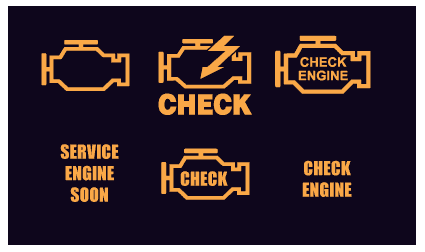
What The Check Engine Light Means
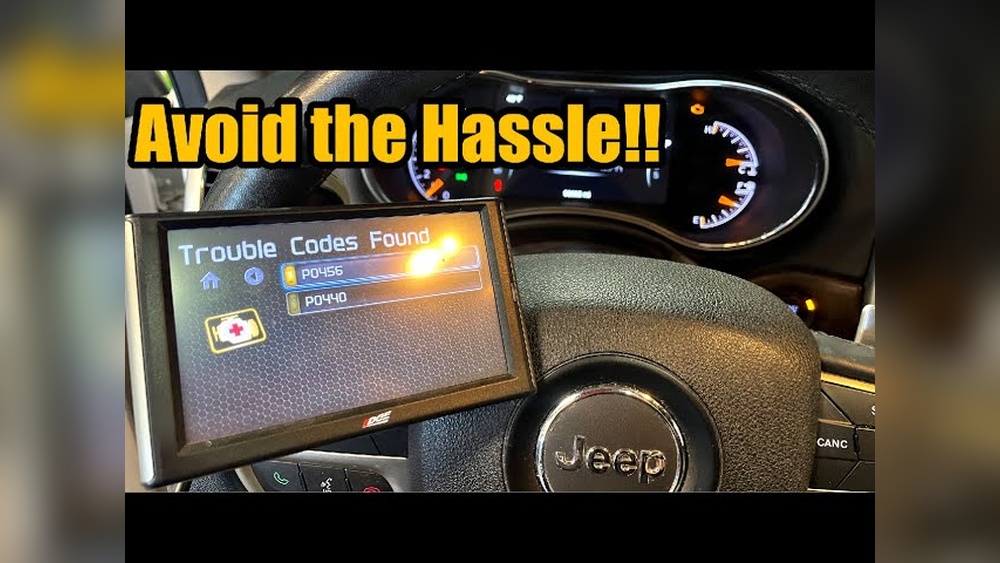
The Check Engine Light on your 2018 Jeep Grand Cherokee signals a detected issue by the vehicle’s onboard computer. Reading the trouble codes helps identify the problem quickly. This step saves time and avoids unnecessary repairs.
There are two main ways to read these codes: through the instrument cluster or by using an OBD-II scanner. Both methods give you valuable information about your Jeep’s engine, transmission, or emissions system.
Using The Instrument Cluster
Your Jeep’s instrument cluster can show trouble codes without extra tools. To access this, insert the key into the ignition and hold the trip reset button. Turn the ignition to the “ON” position without starting the engine. Then release the button.
The dashboard will display any stored diagnostic trouble codes one by one. These codes usually start with a letter followed by numbers, such as P0301. Write down the codes for later reference or research.
This method is simple and fast. It helps you understand if the issue is minor or needs immediate attention. Remember, this only works if your Jeep supports this feature through the instrument cluster.
Obd-ii Scanner Basics
An OBD-II scanner is a small device that connects to your Jeep’s diagnostic port. This port is usually located under the dashboard near the steering column. Plug in the scanner and turn on your vehicle’s ignition.
The scanner reads the stored trouble codes and displays them on its screen. Many scanners also offer code definitions and tips for fixing the problem. Some models connect to your smartphone for detailed reports.
Using an OBD-II scanner provides more detailed information than the instrument cluster method. It works for all vehicles made after 1996, including your 2018 Jeep Grand Cherokee. This tool helps you track problems and decide if professional help is needed.
Safety Tips When Light Is On
The check engine light on a 2018 Jeep Grand Cherokee can cause concern. Many issues are minor and fixable at home. Trying simple DIY fixes first saves time and money. These basic checks often resolve the problem quickly. Here are some easy steps to try before visiting a mechanic.
Checking And Tightening Gas Cap
A loose or damaged gas cap often triggers the check engine light. Remove the gas cap and inspect it for cracks or wear. Tighten it firmly until you hear it click. Drive for a few miles to see if the light turns off. This simple step fixes many fuel system errors.
Replacing Spark Plugs
Old or faulty spark plugs cause engine misfires and alert the system. Locate the spark plugs under the hood. Remove each plug carefully and check for damage or buildup. Replace worn plugs with new ones matching your Jeep’s specifications. Fresh spark plugs improve engine performance and clear the warning light.
Inspecting For Visible Leaks
Leaks in hoses or the engine area can cause sensor errors. Look under the Jeep for any fluid puddles or drips. Check hoses and connections for cracks or looseness. Repair or replace any damaged parts found. Fixing leaks prevents further engine damage and may turn off the check engine light.
How To Read Trouble Codes
The check engine light on your 2018 Jeep Grand Cherokee warns of engine or emission issues. Knowing when to see a mechanic can prevent costly damage and ensure your vehicle runs smoothly. Some problems need professional help, especially if simple fixes don’t work or if the issue is complex.
Persistent Light After Diy Fixes
If the check engine light stays on after you try simple fixes, visit a mechanic. DIY actions like tightening the gas cap or changing spark plugs may not solve deeper problems. A professional can find hidden issues that cause the light to persist. Ignoring a persistent light risks engine damage and poor performance.
Complex Repairs Like Catalytic Converter
Some repairs require special tools and skills, such as fixing the catalytic converter. This part controls harmful emissions and can be expensive to replace. A mechanic can diagnose and repair complex issues safely. Attempting these repairs alone can lead to more damage or failed emissions tests.
Diagnostic Testing And Repair Costs
Mechanics use advanced diagnostic tools to read trouble codes from your vehicle. This process identifies the exact problem behind the check engine light. Repair costs vary depending on the issue’s severity and parts needed. Getting a professional diagnosis helps avoid unnecessary expenses and ensures proper repair.

Frequently Asked Questions
Can I Drive My Jeep With The Engine Light On?
You can drive your Jeep with the engine light on if it is steady. Drive cautiously to a service center. Stop immediately if the light flashes, indicating a serious issue. Ignoring the light may cause severe engine damage. Always diagnose the problem promptly for safe driving.
Can I Drive $1000 Miles With The Check Engine Light On?
Driving 1000 miles with the check engine light on risks severe damage. Get a diagnostic check immediately.
What Does A Flashing Check Engine Light Mean On A Jeep Grand Cherokee?
A flashing check engine light on a Jeep Grand Cherokee signals a severe engine misfire. Stop driving immediately to prevent damage. Have the vehicle inspected and repaired by a professional mechanic as soon as possible.
Can Low Oil Cause A Check Engine Light?
Low oil can cause engine damage but usually does not trigger the check engine light directly. The light alerts other engine or emissions issues.
Conclusion
The check engine light on your 2018 Jeep Grand Cherokee signals a problem detected by its computer. It may mean something minor or more serious. Driving with a steady light usually is safe, but blinking means stop soon. Reading the trouble codes helps pinpoint the issue before visiting a mechanic.
Regular maintenance keeps your Jeep running smoothly and prevents warning lights. Stay alert to the signals your vehicle gives. Taking quick action can save time and money later. Keep your Jeep in good shape for safe, worry-free driving.