If you’ve seen the code P0138 pop up on your Jeep’s dashboard, you might be wondering what it means and why it matters. This code points to an issue with your oxygen sensor, specifically that it’s sending a higher voltage signal than it should.
That might sound technical, but it can directly affect how your Jeep runs, impacting fuel efficiency and engine performance. You want to fix this quickly before it leads to bigger problems or leaves you stranded. You’ll learn the common causes behind the P0138 code and the simple steps you can take to diagnose and fix it.
Keep reading to get your Jeep back to running smooth and strong.

What P0138 Means
The P0138 code signals an issue with your Jeep’s oxygen sensor. It means the sensor shows a high voltage signal above normal. This can cause problems with how your engine runs.
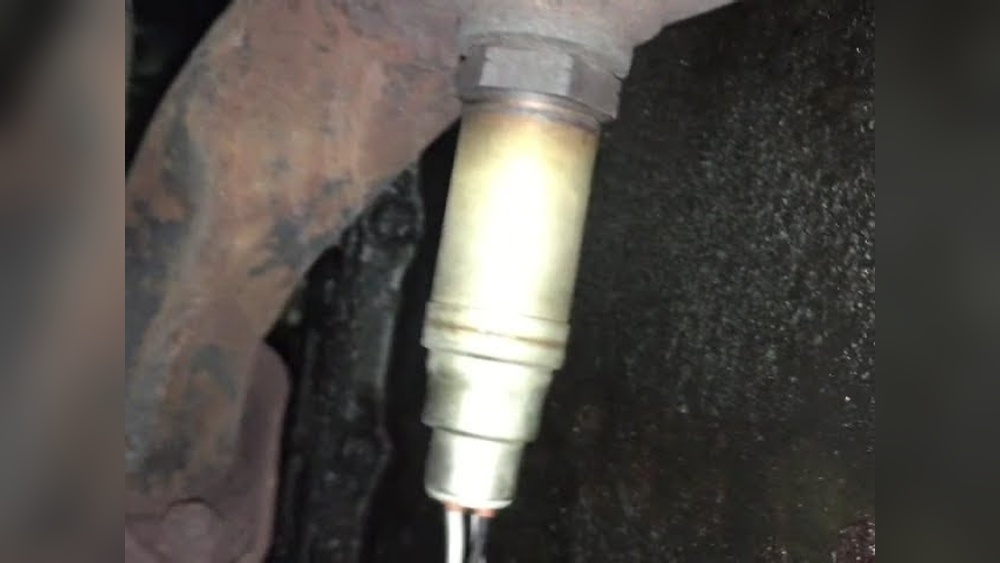
This code points to the oxygen sensor located after the catalytic converter. It detects the oxygen level in the exhaust gases. A P0138 code means the sensor reports a voltage that is too high for too long.
Oxygen Sensor Role
The oxygen sensor measures oxygen in the exhaust. It helps the engine control fuel and air mix. This keeps the engine efficient and reduces pollution. The sensor sends voltage signals to the engine control unit.
The sensor’s job is to tell if the engine runs too rich or too lean. Rich means too much fuel. Lean means not enough fuel. Proper readings keep your Jeep running smoothly.
High Voltage Signal Explained
A high voltage signal means the sensor reads a rich mixture. This happens when fuel is too high compared to air. The sensor voltage usually stays below 0.9 volts. P0138 means the voltage stays above this level too long.
This could be caused by a faulty sensor or wiring issues. Sometimes it means the sensor is stuck or damaged. The engine control unit sees this as a problem and triggers the code.
Impact On Jeep Performance
A P0138 code can cause rough idling or poor fuel economy. Your Jeep may use more gas than usual. Engine hesitation or stalling can also happen. The catalytic converter might not work well.
Ignoring this code can lead to bigger engine problems. Fixing it helps your Jeep run better and cleaner. It also prevents damage to other parts over time.

Common Causes Of P0138
Fixing the Jeep P0138 code requires careful steps. This code signals a high voltage problem with the oxygen sensor. Each step targets a common cause. Follow these fixes in order for the best results.
Repairing Or Replacing Wiring
Start by inspecting the wiring connected to the oxygen sensor. Look for broken, burnt, or frayed wires. Use a multimeter to check for continuity and proper voltage. Repair damaged wires with electrical tape or replace them if needed. Secure loose connections to avoid future issues.
Replacing The Oxygen Sensor
The oxygen sensor can fail due to age or damage. Remove the faulty sensor carefully using a wrench. Install a new sensor designed for your Jeep model. Make sure the connector fits snugly. Clear the error code after replacement to see if the problem is fixed.
Fixing Exhaust Leaks
Exhaust leaks near the sensor can cause wrong readings. Inspect the exhaust manifold and pipes for holes or cracks. Use exhaust sealant or replace damaged parts to stop leaks. A tight seal helps the sensor give accurate data to the engine.
Addressing Fuel System Issues
Fuel problems can affect the oxygen sensor’s signal. Check the fuel injectors for clogs or leaks. Ensure the fuel pressure is within the correct range. Clean or replace injectors if needed. Proper fuel flow keeps the engine running smoothly.
Resetting The Ecu
Resetting the Engine Control Unit (ECU) clears stored error codes. Disconnect the battery for about 15 minutes. Reconnect it and start the engine. The ECU will relearn sensor data, which can fix false error codes. This step helps confirm if repairs worked.
Diagnosing The Problem
Maintaining your Jeep to avoid the P0138 code starts with simple, regular care. Preventive maintenance helps keep the oxygen sensor and related parts working well. This section offers practical tips to help you avoid sensor errors and keep your Jeep running smoothly.
Regular Sensor Inspections
Check the oxygen sensor regularly for dirt or damage. Clean the sensor gently to remove buildup that can affect readings. Replace the sensor if it shows signs of wear or corrosion. Early detection prevents costly repairs and keeps your Jeep’s engine efficient.
Protecting Wiring Harnesses
Inspect the wiring harnesses connected to the oxygen sensor. Look for worn insulation, cuts, or loose connections. Secure loose wires and fix damaged sections quickly. Proper wiring prevents voltage issues that trigger the P0138 code.
Using Quality Replacement Parts
Always use high-quality parts when replacing sensors or wiring. Cheap parts can fail sooner and cause more problems. OEM or trusted aftermarket parts ensure better fit and longer service life. Quality parts protect your Jeep’s electrical system and performance.
Keeping The Exhaust System Tight
Check exhaust pipes and connections for leaks or looseness. Tight seals prevent false sensor readings caused by extra oxygen entering the system. Use clamps or gaskets to keep the exhaust system secure. A tight exhaust helps maintain accurate sensor data.
Frequently Asked Questions
How Do You Fix The Code P0138?
To fix code P0138, inspect and repair oxygen sensor wiring for damage or shorts. Replace the faulty downstream O2 sensor. Check sensor power and heater relay for proper function. Clear the code after repairs and test drive to confirm resolution.
What Is A Common Cause Of P0138?
A common cause of P0138 is an open or damaged oxygen sensor heater circuit, often due to wiring issues.
Where Is The Oxygen Sensor Bank 2 Sensor 2 Located?
The oxygen sensor bank 2 sensor 2 is located downstream, after the catalytic converter on the exhaust manifold’s passenger side.
What Causes An O2 Sensor To Have High Voltage?
An O2 sensor shows high voltage when the engine runs rich, causing excess fuel in the exhaust. Faulty fuel injectors or leaking intake can also cause this. Wiring issues or sensor malfunction may increase voltage readings, affecting engine performance and fuel efficiency.
Conclusion
The Jeep P0138 code signals a high voltage issue in the oxygen sensor. This can cause poor fuel efficiency and engine problems. Start by checking the sensor wiring for damage or loose connections. Testing the sensor’s voltage helps identify faults early.
Fixing the problem quickly prevents further engine damage. Regular maintenance can avoid this error in the future. Understanding P0138 makes Jeep repairs simpler and safer. Keep your Jeep running smoothly by addressing this code soon.