If your Jeep’s Check Engine Light just turned on and you saw the code P0301, you’re probably wondering what it means and what you should do next. This code points to a misfire in cylinder 1, which can cause your engine to shake, lose power, or run roughly.
Ignoring it might lead to bigger problems and expensive repairs. But don’t worry—understanding the causes behind this code and how to fix it can get your Jeep running smoothly again. Keep reading to learn the common reasons for the P0301 code, how to spot the symptoms, and simple steps you can take to troubleshoot and fix the issue yourself.
Your Jeep deserves the best care, and you deserve to drive with confidence.
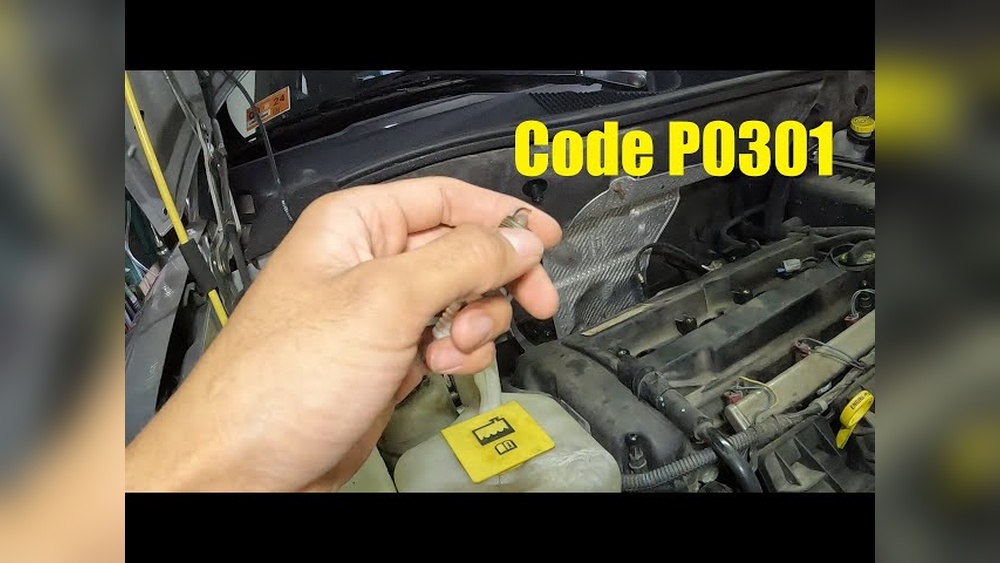
Symptoms Of P0301 Misfire
The P0301 code indicates a misfire in cylinder 1 of your Jeep’s engine. This fault affects engine performance and drivability. Recognizing the symptoms helps in early diagnosis and repair. Symptoms often show as changes in engine behavior and alerts on your dashboard.
Rough Idling And Engine Vibration
The engine may run unevenly while idling. You might feel shaking or vibrations inside the vehicle. This happens because cylinder 1 is not firing properly. The rough idle can worsen over time if not fixed.
Check Engine Light Activation
The Check Engine Light (CEL) will turn on to warn you. It may stay on continuously or flash during driving. This light signals a problem with the engine’s combustion process. The P0301 code is stored in the engine control unit.
Loss Of Power During Acceleration
Your Jeep may hesitate or lose power when you press the gas pedal. Acceleration becomes sluggish and the engine may stumble. This occurs as the misfiring cylinder fails to deliver full power. Driving becomes less smooth and less responsive.

Common Causes Of P0301
Quick DIY fixes help you solve the DTC P0301 Jeep code fast. These simple steps often clear the misfire without costly repairs. Basic tools and a little time make a big difference. Follow these checks and fixes to get your Jeep running smoother.
Inspect And Replace Valve Cover Gasket
Look for oil leaks around the valve cover gasket. Oil can seep into spark plug wells and cause misfires. Replace the gasket if you find cracks or damage. Clean the area well before installing a new gasket. This prevents oil from shorting ignition parts.
Clean Or Replace Spark Plugs
Remove spark plugs and check for dirt or wear. Dirty or worn plugs cause weak sparks and misfires. Clean them with a wire brush or replace them if needed. Use the correct gap and type for your Jeep model. Proper spark plugs improve engine performance.
Check And Swap Ignition Coils
Test ignition coils by swapping them with coils from other cylinders. If the misfire code moves, the coil is bad. Replace faulty ignition coils to restore proper spark. Ensure coil boots are clean and fit tightly. Bad coils cause rough engine running and poor fuel economy.
Use Fuel Injector Cleaner
Add fuel injector cleaner to your gas tank. It helps remove deposits blocking fuel flow. Clean fuel injectors improve combustion and reduce misfires. Use the cleaner every few thousand miles for maintenance. This step is easy and supports engine health.
Seal Vacuum Leaks
Listen for hissing sounds near the engine indicating vacuum leaks. Use soapy water or spray carb cleaner to find leaks around hoses and gaskets. Replace cracked hoses or worn seals to stop air leaks. Sealing vacuum leaks restores the correct air-fuel mix and stops misfires.
Quick Diy Fixes
Testing and diagnosis tools are essential for identifying the root cause of DTC P0301 in Jeep vehicles. This code indicates a misfire in cylinder 1, which can stem from various issues. Proper tools help you check engine health and find the exact problem quickly. Each tool serves a unique purpose in the diagnostic process. Using them correctly saves time and money on repairs.
Using A Compression Tester
A compression tester measures the pressure inside a cylinder during the engine’s compression stroke. Low compression in cylinder 1 can cause the P0301 code. To test, remove the spark plug and screw the tester into the spark plug hole. Crank the engine and note the pressure reading. Compare this to the manufacturer’s specifications. Consistently low pressure indicates problems like worn piston rings or a leaking valve.
Reading Obd-ii Codes
An OBD-II scanner is the first tool to use when diagnosing a P0301 code. It connects to the vehicle’s diagnostic port and reads stored trouble codes. This device shows the exact code and sometimes live data from sensors. Clear codes after repairs and check if the code returns. This step confirms whether the issue is fixed or still present.
Performing A Spark Test
A spark test checks if the ignition system works properly. A weak or missing spark in cylinder 1 causes misfires. Use a spark tester or remove the spark plug and ground it to the engine block. Crank the engine and watch for a strong, blue spark. No spark or a weak spark means faulty ignition coils, wires, or spark plugs.
Fuel Pressure Testing
Fuel pressure testing ensures the engine gets enough fuel to run smoothly. Low fuel pressure can cause cylinder 1 to misfire. Attach a fuel pressure gauge to the fuel rail test port. Turn the ignition on and read the pressure. Compare it to the Jeep’s fuel system specifications. Low pressure may point to a failing fuel pump, clogged filter, or faulty regulator.
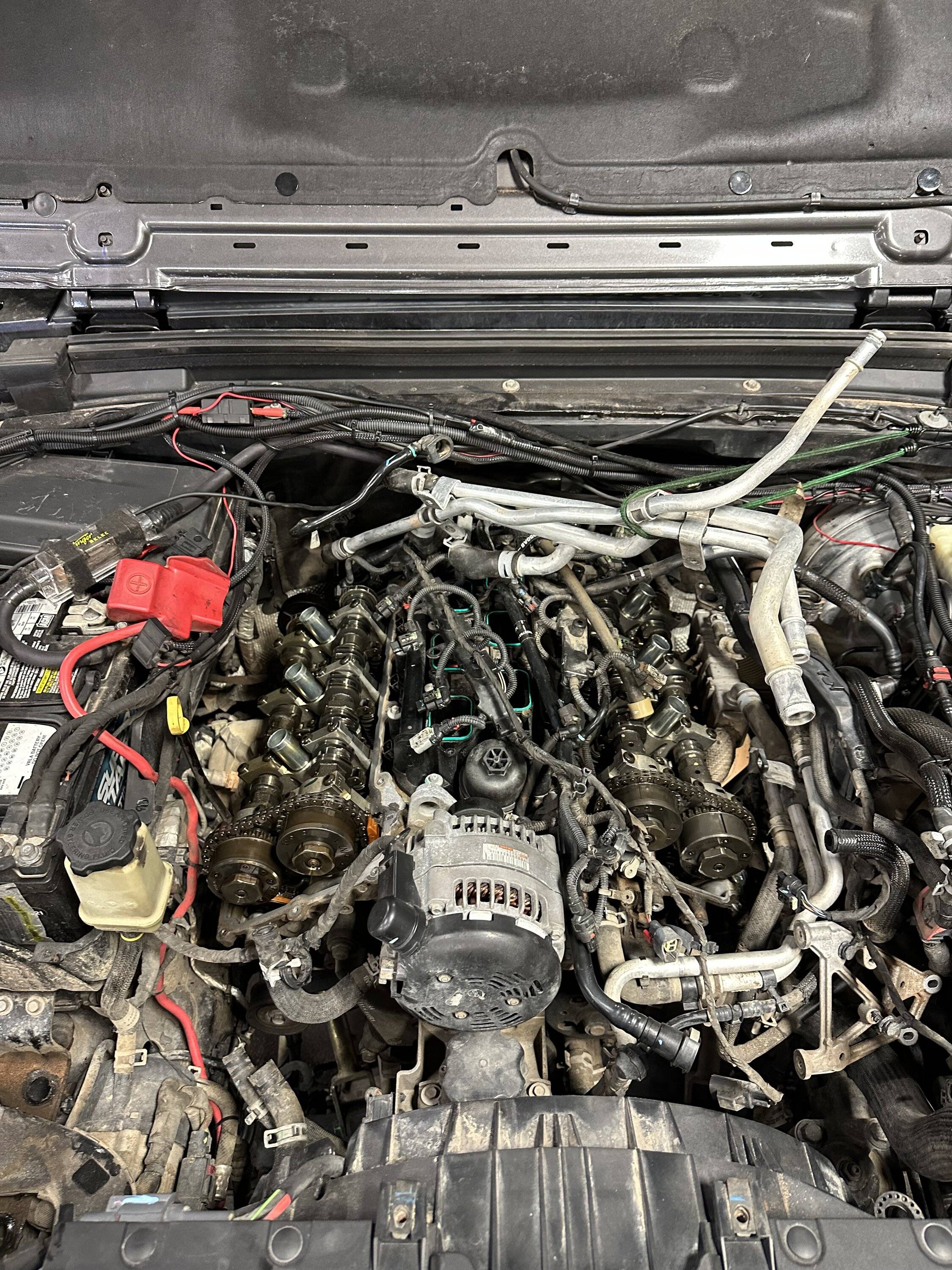
Testing And Diagnosis Tools
Preventive maintenance plays a crucial role in avoiding the DTC P0301 code on your Jeep. This code signals a misfire in cylinder one, often caused by ignition or fuel issues. Regular care helps keep your engine running smoothly and reduces repair costs. Simple tasks done on time improve engine reliability and performance.
Regular Spark Plug Replacement
Worn spark plugs cause weak sparks that lead to misfires. Replace spark plugs every 30,000 miles or as recommended. Use the correct type for your Jeep model. Clean spark plug wells to avoid oil contamination. Proper spark plugs ensure efficient combustion and smooth engine running.
Routine Valve Cover Gasket Checks
Leaking valve cover gaskets allow oil to enter spark plug tubes. Oil-soaked spark plugs cause poor ignition and trigger P0301. Inspect valve cover gaskets for cracks or leaks regularly. Replace gaskets if you notice oil near spark plugs. Keeping gaskets intact prevents misfires and engine damage.
Periodic Fuel System Cleaning
Dirty fuel injectors reduce fuel flow, causing lean air-fuel mixtures. Clean the fuel system every 30,000 miles to remove deposits. Use a fuel injector cleaner or visit a mechanic for professional service. A clean fuel system improves combustion and lowers the risk of misfires.
Monitoring Engine Performance
Watch for signs like rough idling, shaking, or loss of power. Use an OBD-II scanner to check for trouble codes. Early detection helps fix issues before they worsen. Regular engine checks maintain performance and prevent costly repairs.
Frequently Asked Questions
How Do You Fix A P0301 Cylinder 1 Misfire?
Fix a P0301 misfire by checking and replacing the spark plug, ignition coil, and fuel injector. Inspect for vacuum leaks and test cylinder compression. Also, examine the valve cover gasket for oil leaks causing coil boot contamination. Clear codes and test drive to confirm repair.
What Is The Most Common Cause Of Cylinder 1 Misfire?
The most common cause of a cylinder 1 misfire is a faulty spark plug or ignition coil. Oil leaks in the spark plug tube can also cause poor connections and misfires.
How Much Does It Cost To Repair A P0301 Engine Code?
Repairing a P0301 engine code typically costs between $150 and $400. Costs vary by cause and labor rates.
Is It Okay To Drive With A P0301 Code?
Driving with a P0301 code can cause engine misfires, rough idling, and reduced power. It’s unsafe and may damage your engine. Get it diagnosed and repaired promptly to avoid further issues.
Conclusion
DTC P0301 on your Jeep signals a cylinder 1 misfire issue. This can cause rough idling, loss of power, and engine shaking. Checking spark plugs, ignition coils, and valve cover gaskets helps find the cause. Fixing these parts often stops the misfire and restores smooth running.
Regular maintenance prevents this trouble code from returning. Paying attention early can save costly repairs later. Keep your Jeep running strong and enjoy every drive without worry.