If you’ve seen the Jeep code P0113 pop up on your dashboard, you might be wondering what it means and how it affects your ride. This code points to an issue with your Intake Air Temperature (IAT) sensor, a small but crucial part that helps your Jeep run smoothly.
Ignoring it can lead to poor engine performance, hesitation, or even trouble starting—especially when the weather turns cold. But don’t worry, understanding this code and knowing how to diagnose the problem puts you in control. Keep reading to learn what causes P0113, the common symptoms to watch for, and simple steps to fix it so your Jeep can get back on the road without a hitch.
Symptoms Of P0113 Code
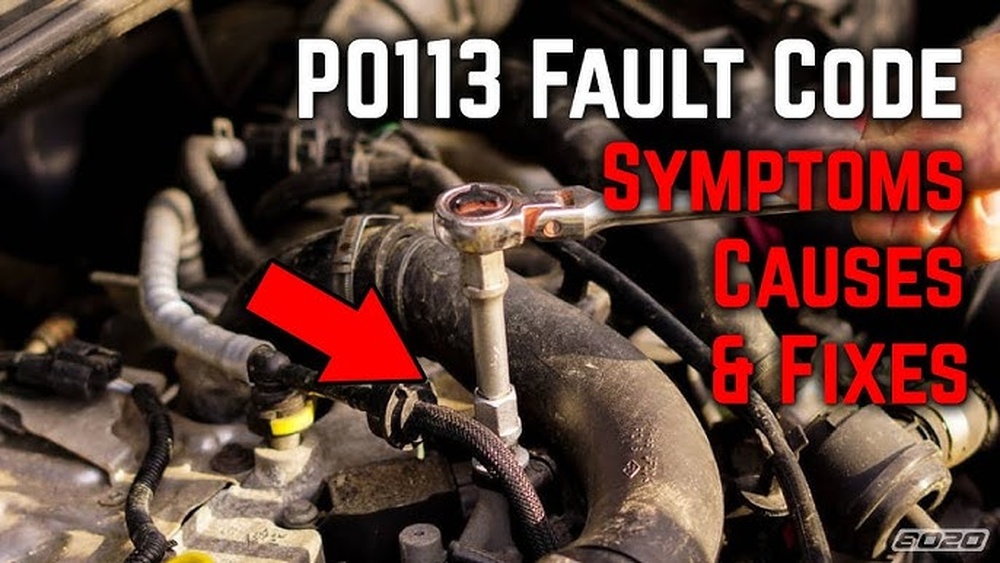
The P0113 code signals a problem with the Intake Air Temperature (IAT) sensor on your Jeep. This sensor helps the engine control unit (ECU) adjust fuel and air mix for better performance. When the sensor sends wrong signals, the engine may not run smoothly. Recognizing the symptoms of this code can help you address the issue quickly.
Check Engine Light Alerts
The most common sign of a P0113 code is the check engine light turning on. This light appears on your dashboard as soon as the ECU detects the sensor problem. It stays on until the issue is fixed. Ignoring this warning could lead to more serious engine troubles.
Starting Issues In Cold Weather
A faulty IAT sensor often causes hard starting, especially in cold weather. The engine may take longer to start or fail to start at all. This happens because the sensor misreads air temperature, causing wrong fuel delivery. Cold starts become rough and unreliable.
Engine Hesitation Problems
Engine hesitation or stumbling during acceleration is another symptom. The engine may hesitate or surge unexpectedly. This happens because the ECU receives incorrect air temperature data. Fuel injection timing gets affected, leading to poor engine response.

Common Causes Of P0113
The Jeep Code P0113 signals a high input from the Intake Air Temperature (IAT) sensor circuit. This fault can cause engine performance issues. Understanding common causes helps in quick diagnosis and repair. Below are the main reasons why this code appears.
Faulty Intake Air Temperature Sensor
The IAT sensor measures air temperature entering the engine. A faulty sensor sends incorrect signals to the engine control unit (ECU). The internal thermistor may fail or degrade over time. This failure causes the sensor to report a high voltage or infinite resistance.
A bad sensor leads to poor fuel mixture and engine hesitation. Replacing the sensor often resolves the P0113 code.
Wiring Damage And Corrosion
Wiring to the IAT sensor is vulnerable to damage. Frayed wires, broken insulation, or rodent bites can interrupt the signal. Corrosion at the sensor connector also causes high resistance.
Damaged wiring causes the ECU to receive false high voltage readings. Inspecting and repairing wires or connectors often fixes the issue.
Dirty Or Contaminated Sensor
Dirt, oil vapor, or carbon buildup can coat the sensor tip. This contamination insulates the sensor from air temperature changes. As a result, the sensor sends incorrect signals to the ECU.
Cleaning the sensor tip carefully restores proper function. This simple step may clear the P0113 code without replacement.
Locating The Iat Sensor
Inspecting the wiring is a key step in diagnosing Jeep Code P0113. The code points to a problem with the Intake Air Temperature (IAT) sensor circuit. Wiring issues often cause this error. Careful inspection helps spot damage that affects sensor signals. Follow these steps to check the wiring thoroughly.
Checking For Frays And Breaks
Look closely along the wiring harness connected to the IAT sensor. Frayed wires or breaks can interrupt the electrical flow. Gently move the wires while watching for exposed copper or cracks in insulation. These signs often cause high input readings and trigger the P0113 code.
Repair or replace any damaged sections. Use electrical tape or heat shrink tubing to protect repaired areas. Ensuring solid wiring prevents false sensor signals and helps maintain engine performance.
Identifying Corroded Connectors
Corrosion can form on sensor connectors due to moisture or dirt. Check the sensor plug and terminals for any greenish or white buildup. Corroded connectors create resistance and poor contact, causing faulty sensor data.
Clean corroded connectors with electrical contact cleaner. Dry them fully before reconnecting. If corrosion is severe, replace the connector to restore a clean connection and proper sensor operation.
Testing For Shorts And Opens
Use a multimeter to test the wiring for shorts or open circuits. Set the meter to continuity mode and check between the sensor pins and the engine control unit (ECU) connectors. Shorts cause wires to touch where they should not. Opens are breaks that stop current flow.
Replace wiring that fails continuity tests. Proper electrical pathways ensure accurate sensor readings. This prevents the P0113 code and helps your Jeep run smoothly.

Inspecting The Wiring
Replacing the Intake Air Temperature (IAT) sensor is essential for fixing Jeep code P0113. This sensor measures the air temperature entering the engine. A faulty IAT sensor sends incorrect data to the engine computer. This causes poor engine performance and higher fuel consumption. Swapping out the sensor restores proper engine function quickly and cheaply.
Here is a simple guide to help you replace the IAT sensor effectively. Follow these steps carefully for the best results.
Choosing The Right Replacement Part
Select an IAT sensor designed for your Jeep model. Use parts from trusted brands to ensure quality and fit. Avoid cheap, generic sensors as they may fail early. Check the part number and vehicle compatibility before buying. OEM (Original Equipment Manufacturer) sensors often offer better reliability. Having the correct sensor prevents future engine codes and drivability issues.
Step-by-step Installation Guide
First, disconnect the Jeep’s battery to avoid electric shock. Locate the IAT sensor, usually on or near the air intake tube or air filter box. Carefully unplug the sensor’s electrical connector. Remove the sensor by unscrewing or gently pulling it out, depending on the model.
Install the new sensor in the same spot. Press or screw it firmly into place. Reconnect the electrical connector securely. Double-check all connections before reconnecting the battery. Start the engine and watch for any warning lights or unusual behavior.
Resetting The Engine Codes
After replacing the sensor, reset the engine codes to clear the P0113 error. Use an OBD-II scanner to erase the codes from the vehicle’s computer. If you don’t have a scanner, disconnect the battery for about 15 minutes. This can reset the computer but may also reset other settings.
Start the Jeep and verify the check engine light stays off. A cleared code and smooth engine operation mean the repair was successful. If the code returns, recheck the sensor connections and wiring for issues.
Cleaning The Iat Sensor
Using diagnostic tools is key to identifying the root cause of Jeep Code P0113. These tools help check the Intake Air Temperature (IAT) sensor and its wiring. They provide clear data to guide repairs and ensure accurate fixes. Understanding how to use these tools saves time and avoids unnecessary part replacements.
Reading Sensor Output Voltage
The IAT sensor sends voltage signals to the engine control unit. Measuring this voltage shows if the sensor works properly. Use a digital multimeter to check the sensor’s output voltage. Connect the meter to the sensor terminals and observe the voltage reading. A high or constant voltage often means the sensor is faulty or disconnected.
Using An Obd-ii Scanner
An OBD-II scanner reads trouble codes from the vehicle’s computer. Connect the scanner to the Jeep’s OBD-II port, usually under the dashboard. Turn on the ignition and scan for codes. The scanner will display P0113 if the IAT sensor circuit has a high input. This tool also clears codes after repairs, turning off the check engine light.
Interpreting Sensor Data
After reading sensor voltage or scanning codes, interpret the data carefully. High voltage signals mean the sensor may be stuck or the wiring is damaged. Normal voltage changes as air temperature changes. Consistent high voltage often points to a broken sensor or wiring issues. Use this data to decide if the sensor or wiring needs repair or replacement.
Replacing The Iat Sensor
Preventive maintenance plays a key role in avoiding Jeep code P0113 errors. This code signals a high input from the Intake Air Temperature (IAT) sensor. Simple maintenance steps help keep the sensor and its parts in good shape. Regular care prevents costly repairs and engine troubles. Follow these easy tips to maintain your Jeep’s air intake system properly.
Regular Sensor Inspections
Check the IAT sensor at least every six months. Look for signs of dirt, oil, or damage on the sensor. Clean the sensor carefully using a soft cloth and sensor-safe cleaner. Replace the sensor if it shows cracks or heavy wear. Early detection of sensor problems prevents false readings and engine issues.
Protecting Wiring From Damage
Inspect the wiring connected to the IAT sensor regularly. Look for cuts, frays, or corrosion on wires and connectors. Secure loose wires to avoid rubbing against engine parts. Protect wires from rodents by using wire covers or repellents. Damaged wiring can cause false sensor signals and trigger the P0113 code.
Keeping Air Intake Clean
Remove dirt and debris from the air intake system often. Replace the air filter as recommended by the manufacturer. A clean air intake prevents dirt from reaching the IAT sensor. Check the intake ducts for cracks or leaks that may let unfiltered air in. Clean air ensures accurate temperature readings and smooth engine performance.
Frequently Asked Questions
How Do I Fix The Code P0113 On My Jeep?
To fix code P0113 on your Jeep, inspect and repair the Intake Air Temperature (IAT) sensor wiring. Clean or replace the IAT sensor if faulty. Clear the code with a scanner after repairs.
How To Fix P0113 Fault Code?
To fix P0113, inspect and repair IAT sensor wiring for damage or shorts. Clean or replace a faulty sensor. Clear the code with a scanner afterward.
Can I Drive With A P0113 Code?
Driving with a P0113 code is possible but not recommended. It may cause poor engine performance or hard starting. Have the intake air temperature sensor and wiring checked and repaired promptly to avoid further issues.
How Much Does It Cost To Fix A P0113 Code?
Fixing a P0113 code typically costs between $100 and $300. The price depends on sensor replacement and labor rates.
Conclusion
The Jeep code P0113 signals a problem with the intake air temperature sensor. Fixing it helps your engine run smoothly and saves fuel. Check the sensor and wiring carefully for damage or dirt. Cleaning or replacing the sensor often solves the issue.
Watch for warning signs like rough starts or hesitation. Addressing this code early keeps your Jeep reliable and avoids costly repairs. Stay alert to your vehicle’s signals and act quickly. Your Jeep will thank you with better performance and fewer troubles.