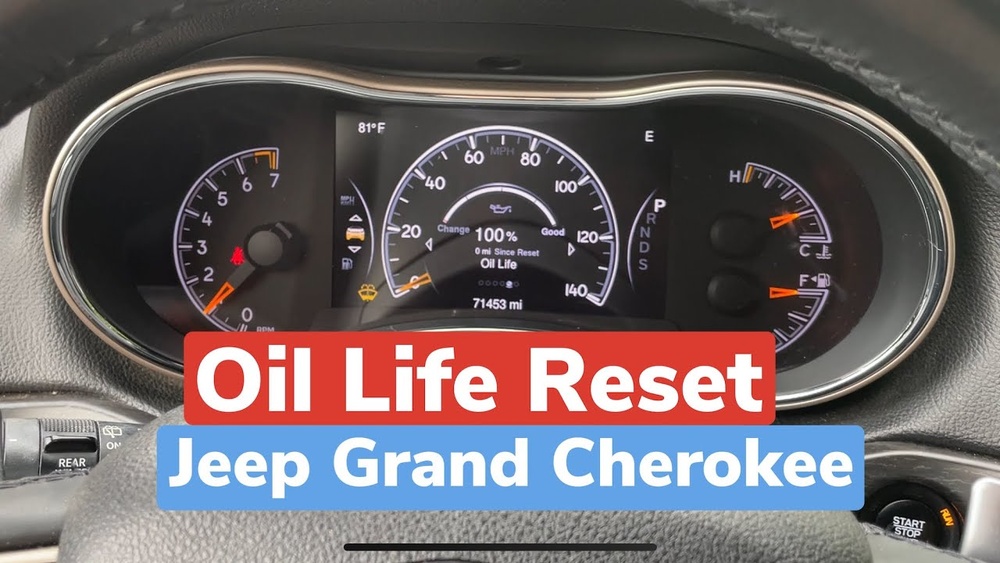
If you’ve noticed the P0403 code popping up on your Jeep Wrangler’s dashboard, you’re probably wondering what it means and how it could affect your ride. This error points to an issue with the Exhaust Gas Recirculation (EGR) control circuit—an important part of your Wrangler’s emissions system.
Ignoring it might lead to reduced engine performance or even cause your vehicle to fail an emissions test. But don’t worry—you’re about to learn what triggers this code, how to spot the signs, and what steps you can take to fix it.
Keep reading to get your Jeep running smoothly again.
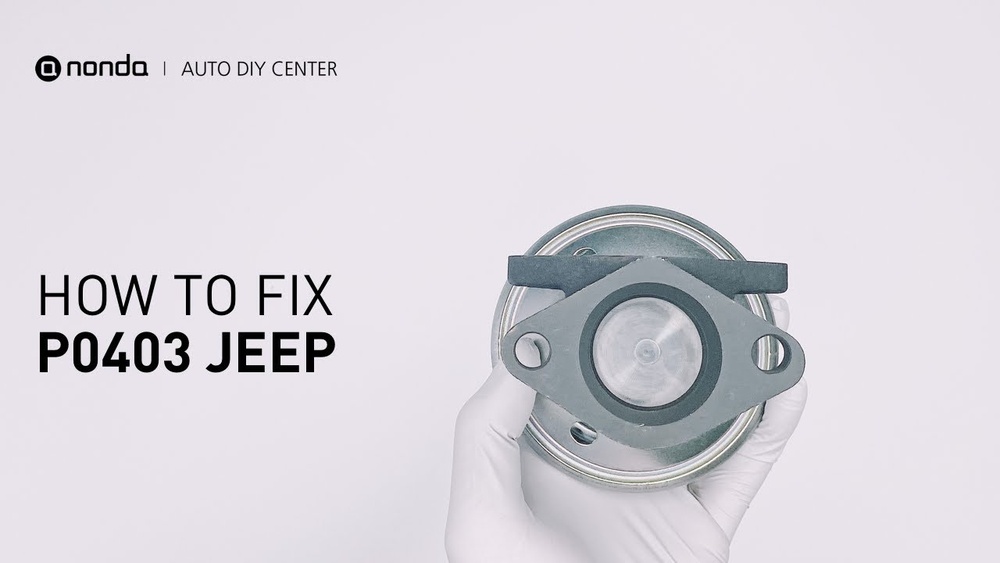
Symptoms Of P0403 Code
The P0403 code on a Jeep Wrangler signals a problem in the Exhaust Gas Recirculation (EGR) control circuit. This issue can cause several noticeable symptoms. Recognizing these signs early helps prevent further damage and costly repairs.
Symptoms usually affect the dashboard, engine performance, and fuel efficiency. Each symptom reveals how the EGR system is struggling to work properly.
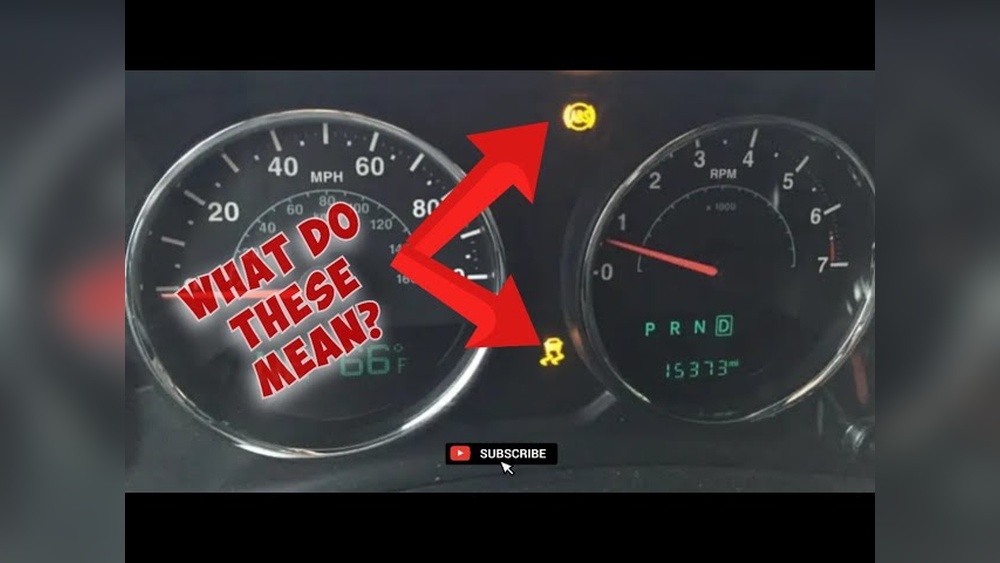
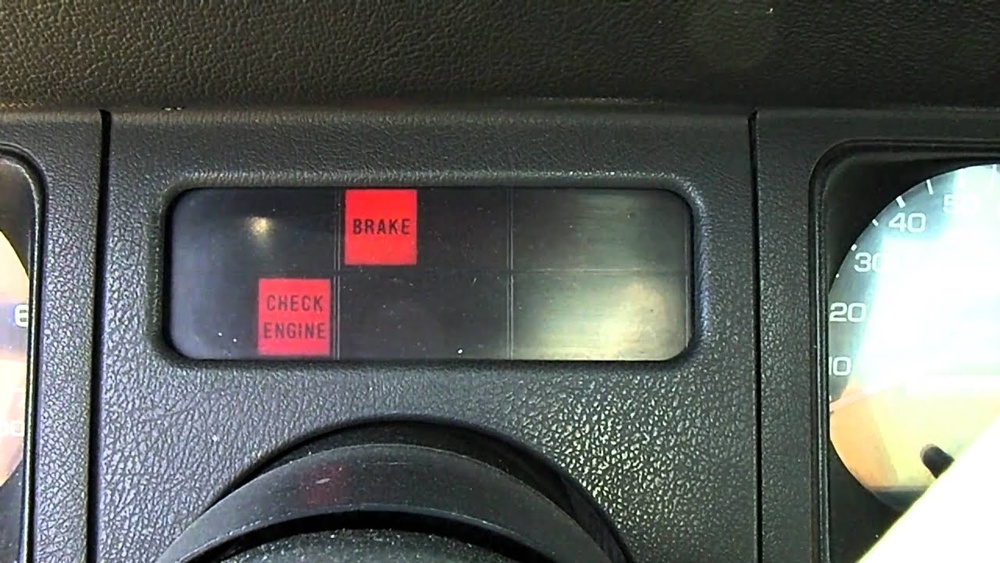
Dashboard Warning Signs
The most common sign is the check engine light turning on. It may flash or stay solid. Some drivers notice warning messages on the dashboard display. These alerts indicate a fault in the EGR control circuit. Ignoring these signs can lead to bigger problems.
Engine Performance Issues
The engine may run rough or hesitate during acceleration. You might hear unusual noises or experience stalling. The vehicle could also have trouble starting. These problems occur because the EGR system is not controlling exhaust gases correctly. Poor engine performance affects driving safety and comfort.
Emissions And Fuel Efficiency
Faulty EGR control often increases harmful emissions. The Jeep may fail emissions tests required by law. Fuel consumption usually rises as the engine works harder. This wastes money and harms the environment. Fixing the P0403 issue restores better fuel economy and lowers pollution.
Common Causes
The P0403 code in a Jeep Wrangler signals a problem in the Exhaust Gas Recirculation (EGR) control circuit. Several issues can trigger this code, affecting your vehicle’s performance and emissions. Understanding these common causes helps you address the problem quickly and avoid further damage.
Faulty Turbo Boost Sensor
The turbo boost sensor monitors pressure in the turbo system. If it fails, the EGR system may not function properly. This causes incorrect air and fuel mixture, leading to the P0403 error. Replacing a faulty sensor often clears the code and restores performance.
Wiring And Electrical Problems
Worn or damaged wiring can disrupt signals in the EGR circuit. Loose connections or broken wires cause intermittent faults. Electrical shorts or open circuits often trigger the P0403 code. Checking the wiring harness and connectors is crucial to fix this issue.
Clogged Egr Valve
The EGR valve recycles exhaust gases to reduce emissions. Over time, carbon buildup can clog the valve. This blockage prevents proper valve operation, causing the engine control module to detect a fault. Cleaning or replacing the EGR valve resolves this common cause.
Grounding Issues
Proper grounding is essential for the EGR system’s electrical parts. Missing or corroded ground straps can cause circuit errors. Jeep Wranglers that recently had engine work may develop grounding problems. Ensuring secure ground connections helps clear the P0403 code.
Diagnosing The Issue
Replacing the turbo boost sensor on your Jeep Wrangler can fix the P0403 code. This sensor plays a key role in measuring boost pressure. A faulty sensor causes engine performance issues and triggers warning lights. Changing it yourself saves time and money. Follow these simple steps for a smooth replacement.
Tools And Materials Needed
- New turbo boost sensor compatible with Jeep Wrangler
- Socket wrench set
- Screwdrivers (flathead and Phillips)
- Torque wrench
- Gloves for hand protection
- Safety glasses
- Vehicle repair manual (optional but helpful)
Step-by-step Replacement Guide
- Park your Jeep on a flat surface and turn off the engine.
- Open the hood and locate the turbo boost sensor near the turbocharger.
- Disconnect the negative battery terminal to avoid electrical shock.
- Carefully unplug the electrical connector from the sensor.
- Use the socket wrench to remove the bolts securing the sensor.
- Remove the old sensor gently without damaging surrounding parts.
- Install the new sensor in place and tighten bolts with the torque wrench.
- Reconnect the electrical connector securely.
- Reconnect the negative battery terminal.
- Close the hood and start the engine.
Post-replacement Testing
After installation, watch for warning lights on the dashboard. Use an OBD-II scanner to clear any error codes. Drive the Jeep for a short distance to check sensor performance. Ensure the P0403 code does not reappear. If the problem persists, consider consulting a professional mechanic.


Frequently Asked Questions
How To Fix Fault Code P0403?
To fix fault code P0403, check and repair EGR valve wiring and connectors. Clean or replace the EGR valve if clogged. Inspect ground straps and solenoid function to ensure proper circuit operation.
How Serious Is The P0403 Fault?
The P0403 fault signals an EGR control circuit malfunction. It can reduce engine performance and cause emissions failure. Ignoring it may lead to engine damage and costly repairs. Address the issue promptly to maintain vehicle reliability and pass emissions tests.
How Much Does It Cost To Repair P0403?
Repairing code P0403 usually costs between $150 and $400, depending on the vehicle and parts needed.
How Do You Fix An Exhaust Gas Recirculation Circuit?
Check and clean the EGR valve and passages to remove clogs. Inspect wiring and connectors for damage or corrosion. Replace faulty solenoids or sensors. Ensure proper grounding and clear any stored trouble codes using a diagnostic tool. Test the circuit after repairs to confirm functionality.
Conclusion
The P0403 code on your Jeep Wrangler signals an issue with the EGR control circuit. Addressing this problem early helps maintain engine performance and reduces emissions. Simple checks like inspecting wiring and the solenoid can often solve the issue. Driving with this code may cause poor fuel economy or engine trouble.
Regular maintenance and prompt repairs keep your Wrangler running smoothly. Stay attentive to warning signs and act quickly to avoid bigger problems. Your Jeep deserves proper care for the best off-road and on-road experience.