If you drive a Jeep and have ever seen the dreaded DTC P06DD code pop up, you know how confusing and frustrating it can be. This code signals a problem with your engine’s oil pressure system, which is critical to keeping your Jeep running smoothly.
Ignoring it can lead to serious engine damage, but understanding what causes this code and how to fix it can save you time, money, and stress. You’ll learn exactly what Jeep DTC P06DD means, the common reasons behind it, and the straightforward steps you can take to get your Jeep back on the road safely.
Keep reading—you’ll want to know how to tackle this issue before it turns into a costly headache.
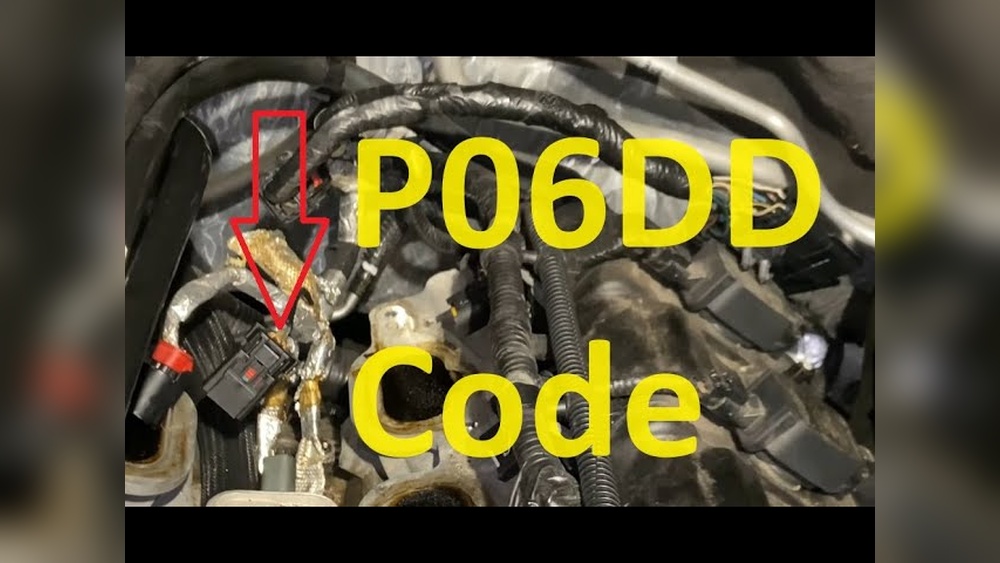
Causes Of Jeep Dtc P06dd
The Jeep DTC P06DD code signals a problem in the variable oil pressure system. This system controls oil flow to protect engine parts. Understanding what causes this code helps fix it faster and avoid engine damage.
Several factors can trigger the P06DD code. These issues affect the oil pressure and sensor readings. Identifying the exact cause leads to the right repair and better engine health.
Low Or Dirty Oil
Clean, proper oil is essential for the oil pump to work well. Low oil levels or dirty oil block oil flow. This causes the pump to struggle and triggers the code. Regular oil changes and checks prevent this problem.
Faulty Oil Pressure Sensor
The oil pressure sensor monitors oil flow and sends data to the computer. A faulty sensor gives wrong readings or stops working. This causes the system to report errors even if oil pressure is fine. Sensor replacement often solves the issue.
Malfunctioning Oil Pump Solenoid
The oil pump solenoid controls oil flow by opening and closing valves. If it jams or fails, oil pressure changes incorrectly. This triggers the P06DD code. Cleaning or replacing the solenoid fixes the problem.
Wiring And Connection Issues
Wiring connects the sensor and solenoid to the engine’s computer. Damaged wires or loose connections cause wrong signals. Oil leaks can also damage wiring. Inspecting and repairing wiring restores correct system function.

Diagnosing The P06dd Code
Diagnosing the Jeep DTC P06DD code requires careful inspection of the engine’s oil pressure system. This code signals an issue with variable oil pressure control. The engine’s computer detects problems affecting oil flow and pressure. Proper diagnosis helps prevent serious engine damage and costly repairs.
Start by focusing on the main components involved in oil pressure regulation. These include oil levels, the oil pressure sensor, the oil pump, and related electrical connections. Each step narrows down the root cause of the P06DD code.
Checking Oil Levels And Quality
Low or dirty oil often causes oil pressure problems. Check the oil level using the dipstick. Ensure the oil reaches the recommended mark. Inspect the oil’s color and texture. Dark or gritty oil may mean contamination or breakdown. Replace old or dirty oil with the correct grade. Good oil quality is essential for proper pump function.
Testing The Oil Pressure Sensor
The oil pressure sensor measures engine oil pressure. A faulty sensor can give false readings, triggering the P06DD code. Use a multimeter to test the sensor’s electrical resistance. Compare results with manufacturer specifications. Replace the sensor if readings are outside the normal range. Clean sensor connections to avoid signal errors.
Inspecting Oil Pump Operation
The oil pump moves oil through the engine’s lubrication system. A failing pump causes low or erratic oil pressure. Listen for unusual noises from the pump area. Check for metal debris in the oil, which may indicate pump wear. Verify the pump’s mechanical parts move freely. Replace the pump if it shows signs of damage or poor performance.
Examining Electrical Connections
Electrical faults often disrupt oil pressure control. Inspect wiring harnesses linked to the oil pressure sensor and pump. Look for loose, broken, or corroded wires. Ensure connectors are tight and clean. Repair or replace damaged wiring. Secure all connections to restore proper communication between components.
Quick Fixes For P06dd
Fixing the Jeep DTC P06DD code quickly can save time and money. It often points to oil pressure sensor or oil system problems. Simple actions may solve the issue and get your Jeep running well again.
Try these quick fixes before visiting a mechanic. They address common causes and help restore engine function fast.
Replacing The Oil Pressure Sensor
The oil pressure sensor often fails or sends wrong signals. Replacing it is usually the fastest fix. Purchase a new sensor made for your Jeep model. Remove the old sensor carefully and install the new one securely. This fix can clear the P06DD code and restore correct readings.
Cleaning Or Changing Oil
Dirty or low oil causes pressure problems. Check your oil level and top off if needed. If the oil is old or thick, change it. Use the recommended oil type and filter for your Jeep. Clean oil helps the pump and sensor work properly, reducing error codes.
Repairing Wiring And Connectors
Faulty wiring can cause false sensor signals. Inspect the wires and connectors around the oil pressure sensor. Look for cracks, loose plugs, or corrosion. Repair or replace damaged wiring parts. Secure connectors tightly to avoid signal loss. This step ensures proper communication between the sensor and engine control module.
Resetting The Engine Control Module
Resetting the engine control module (ECM) can clear stored codes. Disconnect the battery for about 15 minutes. Reconnect it and start the engine. The ECM will relearn sensor data and may turn off the P06DD light. This reset helps verify if the issue is fixed or still present.

Advanced Troubleshooting Tips
Advanced troubleshooting helps solve Jeep DTC P06DD errors effectively. Understanding the details of oil pressure systems is key. This section covers practical steps to test, diagnose, and select parts. Follow these tips to fix issues without guesswork.
Testing Oil Pump Solenoid Function
Check the oil pump solenoid to ensure it works properly. Use a multimeter to test electrical resistance. Listen for clicking sounds when energized. A stuck or faulty solenoid can cause low oil pressure. Replace it if testing shows irregular readings or no response.
Using Diagnostic Tools
Scan your Jeep with an OBD-II scanner to read fault codes. Look beyond P06DD for related codes. Use live data to monitor oil pressure sensor output. Some tools allow active tests on the oil pump solenoid. Accurate diagnostics reduce unnecessary part replacements.
Comparing Oem Vs Aftermarket Parts
OEM parts usually offer better quality and fit. Aftermarket parts vary widely in reliability and performance. Choose OEM for critical components like oil pumps and sensors. Some aftermarket options may cause recurring errors. Check reviews and warranty before buying non-OEM parts.
Consulting Jeep Forums And Resources
Jeep owner forums provide real-world advice from experienced users. Search for P06DD discussions and solutions specific to your model. Many share step-by-step fixes and part recommendations. Official Jeep resources offer technical bulletins and repair guides. Combining both improves troubleshooting success.
Preventing Future P06dd Issues
Preventing future Jeep DTC P06DD issues starts with good care and regular checks. This code signals a problem with the oil pressure system. Keeping your Jeep’s oil system in top shape helps avoid this trouble. Simple habits can protect your engine and save you repair costs. Below are key steps to keep your oil pressure steady and your Jeep running well.
Regular Oil Maintenance
Change your oil on schedule to keep it clean and fresh. Dirty or old oil clogs the oil pump and sensors. Use the right oil weight as the Jeep manual suggests. Check oil levels often. Low oil or dirty oil can cause the P06DD code. Clean oil helps the pump work smoothly and protects engine parts.
Using Quality Parts
Install genuine or high-quality oil pumps and sensors. Cheap parts may fail quickly or give false readings. Factory parts fit perfectly and last longer. Replace worn parts with trusted brands. Quality parts keep the oil system working correctly. Avoid aftermarket parts that do not meet Jeep standards. This lowers the risk of future oil pressure errors.
Routine Electrical Inspections
Check wiring and connectors near the oil pump and sensor. Look for loose wires, cracks, or oil leaks that can cause shorts. Damaged wiring can send wrong signals to the engine computer. Fix any electrical issues quickly to avoid false codes. Clean connectors and secure wiring help steady sensor readings. Routine checks catch problems before they grow.
Monitoring Oil Pressure Gauges
Watch your Jeep’s oil pressure gauge during drives. Sudden drops or spikes show possible pump or sensor problems. Early warnings help you act before engine damage. If the gauge behaves oddly, get a mechanic to inspect the oil system. Regularly checking the gauge helps catch P06DD issues early. Stay alert to keep your Jeep safe and reliable.
Frequently Asked Questions
Is The P06dd Code Serious For A Jeep?
The P06DD code signals an oil pressure control circuit issue in a Jeep. It can cause engine damage if ignored. Check oil level, sensor, and wiring promptly. Replacing the oil pressure sensor often resolves the problem. Address it quickly to avoid serious engine damage.
How Do You Fix Code P06dd?
To fix code P06DD, inspect and replace the oil pressure sensor if faulty. Check wiring for damage or loose connections. Verify oil level and quality. Replace the oil pump or solenoid if problems persist. Use a factory oil pump for best results.
How Much Does It Cost To Fix A P06dd On A Jeep?
Fixing a P06DD code on a Jeep typically costs between $150 and $400. Costs vary by sensor or oil pump replacement and labor rates.
What Is The Most Common Cause Of High Oil Pressure?
The most common cause of high oil pressure is a faulty oil pressure sensor. It often gives incorrect readings.
Conclusion
The Jeep DTC P06DD signals a problem with oil pressure control. Clean oil and a working sensor keep the system healthy. Check wiring and sensor condition regularly to avoid issues. Replacing a faulty sensor often solves the problem quickly. Use genuine parts for best results and longer engine life.
Stay alert for warning signs and act fast to protect your Jeep. Understanding this code helps you maintain your vehicle safely and efficiently.