If you own a 2005 Jeep Grand Cherokee and have encountered the P2096 error code, you know how frustrating it can be. This code points to a lean condition in the downstream fuel trim system, meaning your engine is running with too much air and not enough fuel after the catalytic converter.
Ignoring this issue can lead to poor performance, reduced fuel efficiency, and even damage to your vehicle’s exhaust system. But don’t worry—understanding what causes the P2096 code and how to fix it will get your Jeep back on the road smoothly.
Keep reading to learn what this code means, why it happens, and the best steps you can take to solve the problem yourself.
Symptoms Of P2096 Code
The P2096 code signals a lean condition in the downstream fuel trim system of your 2005 Jeep Grand Cherokee. This code means the engine is getting too much air and not enough fuel. Several symptoms may appear when this issue occurs. Identifying these signs early helps prevent further damage.
Engine Performance Issues
One common symptom is rough engine running. The engine may misfire or hesitate during acceleration. You might notice a loss of power and poor fuel economy. Idle speed could fluctuate or feel unstable. These problems make driving difficult and unsafe.
Warning Lights And Alerts
The check engine light often turns on with the P2096 code. This warning signals the engine control unit has detected the lean condition. Sometimes, the vehicle may enter limp mode to protect the engine. Ignoring these alerts can lead to costly repairs.
Causes Of Lean Fuel Trim
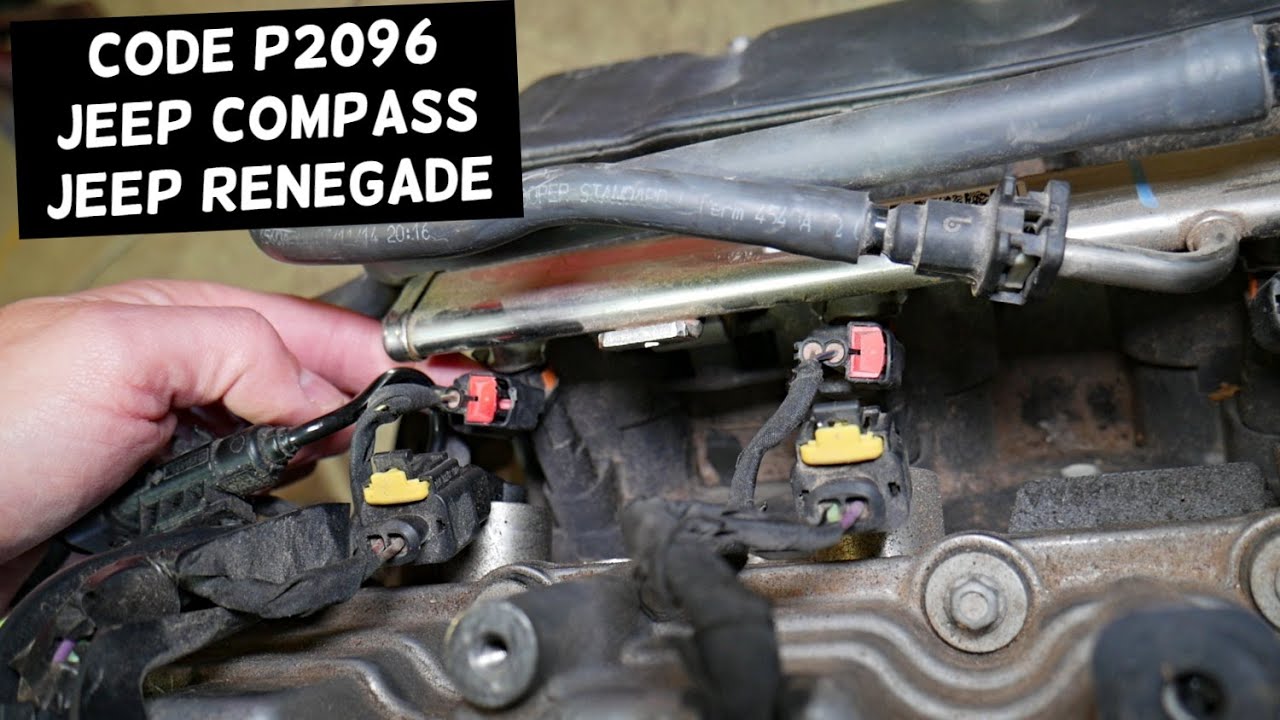
The P2096 code signals a lean fuel trim issue in your 2005 Jeep Grand Cherokee. It means the engine is running with too much air and not enough fuel. Understanding the causes helps fix the problem fast. Lean fuel trim can damage your engine if ignored. Here are common causes that trigger this code.
Vacuum Leaks
Vacuum leaks allow extra air into the engine. This extra air changes the fuel mixture. The engine control unit senses this and reduces fuel. Cracked hoses or loose connections often cause leaks. Even a small leak can affect fuel trim. Checking all vacuum lines is important for diagnosis.
Faulty Oxygen Sensors
Oxygen sensors measure air and fuel levels in exhaust gases. A bad sensor sends wrong data to the engine computer. This causes incorrect fuel adjustments. The downstream oxygen sensor is key for monitoring catalytic converter efficiency. Faulty sensors often lead to lean fuel trim codes.
Exhaust System Problems
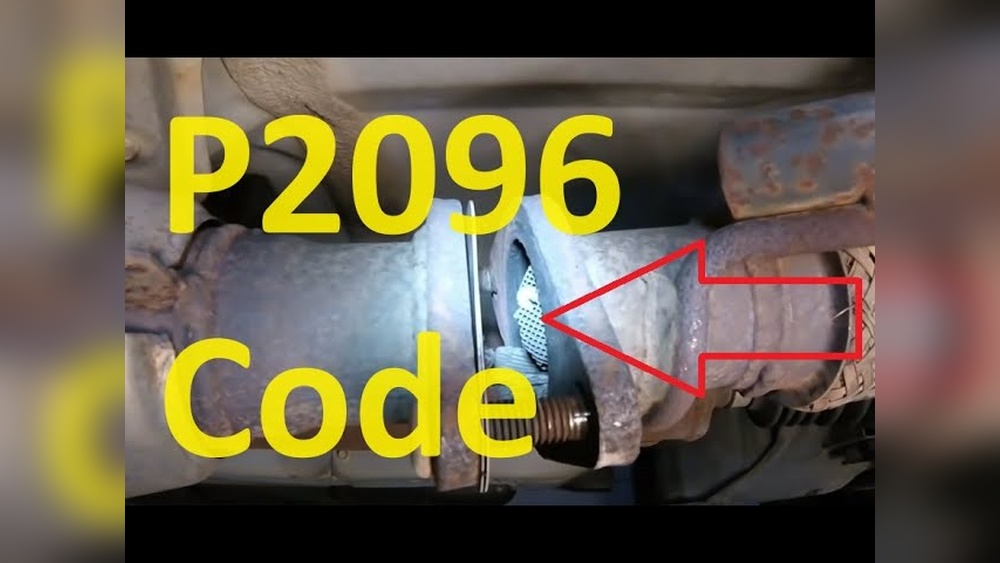
Leaks or damage in the exhaust system can create false oxygen readings. A cracked exhaust pipe or loose gasket allows air to enter. The engine thinks the fuel mixture is leaner than it is. This causes the computer to add more air and reduce fuel. Inspecting the exhaust system is critical.
Fuel Delivery Issues
Problems with fuel delivery can cause lean conditions. A weak fuel pump or clogged fuel filter reduces fuel flow. Injectors that are dirty or malfunctioning also affect fuel spray. Low fuel pressure means less fuel reaches the engine. This imbalance triggers the lean fuel trim warning.
Diagnosing The P2096 Code
Diagnosing the P2096 code in a 2005 Jeep Grand Cherokee is crucial for fixing lean fuel issues. This code signals that the engine is running too lean after the catalytic converter. The engine control module detects too much air or too little fuel in the exhaust. Addressing this code helps prevent engine damage and improves performance.
Several steps help pinpoint the cause of the P2096 code. These steps include scanning the vehicle’s computer, inspecting vacuum hoses, testing oxygen sensors, and checking fuel pressure. Each step reveals important clues about the fuel system and air leaks.
Using An Obd-ii Scanner
An OBD-II scanner reads the P2096 code stored in the vehicle’s computer. It shows live data from sensors, including oxygen sensors and fuel trims. Use the scanner to check if the code returns after clearing it. This helps confirm if the problem persists or is intermittent.
The scanner also shows if other codes are present. Multiple codes may point to a related issue causing the lean condition. This tool is essential for a clear diagnosis before repairs.
Inspecting Vacuum Hoses
Vacuum leaks are a common cause of lean fuel problems. Inspect all vacuum hoses for cracks, breaks, or loose connections. Even small leaks can let extra air enter the engine.
Check hoses near the intake manifold, throttle body, and brake booster. Replace any damaged hoses. Fixing vacuum leaks often clears the P2096 code and improves engine running.
Testing Oxygen Sensors
Oxygen sensors monitor the fuel mixture in the exhaust. The P2096 code involves the downstream oxygen sensor after the catalytic converter. Test this sensor’s voltage and response times with a multimeter or scan tool.
A faulty sensor may give incorrect readings, causing the engine to run lean. Replace sensors that fail tests to restore proper fuel mixture control and clear the code.
Checking Fuel Pressure
Low fuel pressure can cause a lean condition by limiting fuel delivery. Use a fuel pressure gauge to measure the pressure at the fuel rail. Compare readings to manufacturer specifications.
Inspect the fuel pump, fuel filter, and pressure regulator for problems. Repair or replace faulty components to maintain correct fuel pressure and fix the P2096 code.
Quick Fixes For P2096 On 2005 Jeep Grand Cherokee
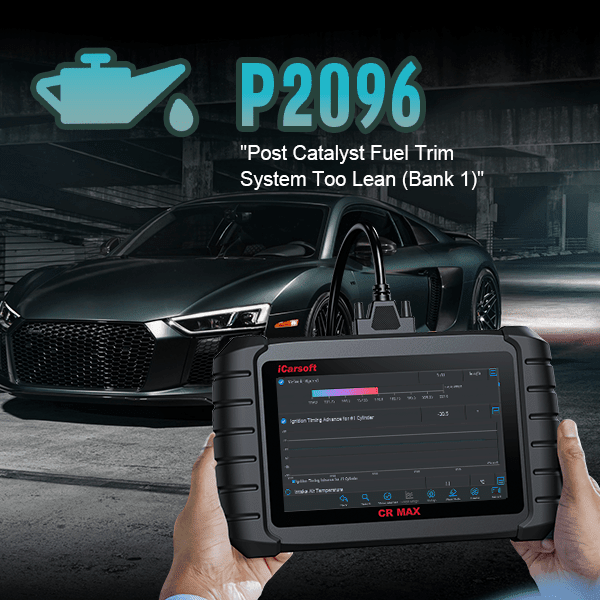
The P2096 code on a 2005 Jeep Grand Cherokee signals a lean condition downstream. This means the engine is running with too much air and not enough fuel after the catalytic converter. Fixing this issue quickly helps maintain engine performance and fuel efficiency. Here are some straightforward repairs to try first.
Repairing Vacuum Leaks
Vacuum leaks are a common cause of the P2096 code. Check all hoses and connections for cracks or loose fittings. Replace any damaged vacuum lines. Use a smoke machine or spray soapy water to find leaks around the intake manifold. Sealing these leaks stops extra air from entering the system.
Replacing Faulty Oxygen Sensors
Oxygen sensors monitor the air-fuel mixture and relay data to the engine control unit. A failing downstream oxygen sensor can falsely report a lean condition. Test the sensors with a multimeter or scan tool. Replace sensors that show slow response or no signal. New sensors ensure accurate readings and smooth running.
Cleaning Or Repairing Exhaust Components
Exhaust leaks or damaged catalytic converters can cause lean readings. Inspect the exhaust system for holes or cracks near the sensors. Repair leaks with new gaskets or pipe sections. Clean the catalytic converter if clogged, or replace it if severely damaged. Proper exhaust flow helps maintain correct fuel trim.
Fuel System Maintenance
Issues in the fuel system may cause a lean mixture. Replace a clogged fuel filter to restore proper flow. Clean fuel injectors to improve spray patterns and fuel delivery. Check the fuel pump pressure to ensure it meets specifications. Regular fuel system care prevents lean conditions and the P2096 code.
Preventive Maintenance Tips
Preventive maintenance plays a key role in avoiding the P2096 code in a 2005 Jeep Grand Cherokee. Regular care keeps your fuel system balanced and your engine running smoothly. Small checks and cleanings prevent lean conditions that trigger this error.
Staying ahead with routine inspections helps spot problems early. This saves you time and money on repairs. Here are some essential maintenance tips to maintain your vehicle’s fuel trim system and avoid the P2096 code.
Regular Sensor Inspections
Oxygen sensors monitor the air-fuel mix in your engine. Dirt or damage can cause false readings. Check sensors for wear or contamination every few months. Replace faulty sensors promptly to keep fuel trims accurate.
Clean sensor connectors to ensure proper electrical contact. A loose or corroded connection can lead to lean conditions. Use a scanner tool to review sensor data regularly for signs of trouble.
Fuel System Cleaning
Fuel injectors and filters must stay clean to deliver the right fuel amount. Dirty injectors spray unevenly, causing a lean mixture downstream. Use fuel system cleaners as recommended in your owner’s manual.
Replace the fuel filter on schedule to prevent clogging. A blocked filter reduces fuel flow, which may trigger the P2096 code. Regular cleaning and filter changes keep fuel delivery steady.
Exhaust System Checks
Leaks or damage in the exhaust system affect sensor readings and fuel trim. Inspect exhaust pipes, gaskets, and catalytic converters for cracks or holes. Repair any leaks to maintain proper exhaust flow.
A well-maintained exhaust system ensures accurate oxygen sensor readings. This helps the engine control unit adjust fuel trims correctly. Routine checks reduce the risk of lean fuel conditions and error codes.
When To Seek Professional Help
Knowing when to seek professional help is key for a Jeep Grand Cherokee showing the P2096 code. This code points to a lean fuel condition downstream of the catalytic converter. Some issues might seem small but require expert care. Avoid letting problems grow by recognizing signs that need professional attention. Proper diagnosis and repair keep your Jeep running smoothly and safely.
Persistent Trouble Codes
If the P2096 code returns after resetting, it signals a deeper problem. Simple fixes might not clear the code permanently. Persistent codes could mean sensor issues, vacuum leaks, or exhaust problems. A professional can identify the root cause with precise tools. Don’t ignore repeated alerts from your vehicle’s system.
Complex Repairs
Some repairs for the P2096 code go beyond basic fixes. Replacing sensors, repairing exhaust leaks, or fixing fuel system parts may require special skills. Incorrect repairs can cause more damage or waste money. Certified mechanics have the right knowledge and equipment to handle complex tasks safely. Trust experts to restore your Jeep’s fuel system properly.
Diagnostic Challenges
The P2096 code can stem from many sources, making diagnosis tricky. It involves testing fuel trims, oxygen sensors, and exhaust components. Without experience, it’s easy to miss subtle signs or misread data. Professionals use advanced scanners and techniques to pinpoint issues accurately. Proper diagnosis prevents unnecessary repairs and saves time.
Frequently Asked Questions
How To Fix Jeep Code P2096?
Fix Jeep code P2096 by inspecting for vacuum leaks, checking the oxygen sensor, and cleaning or replacing the exhaust system components. Reset the code after repairs and test drive to confirm the issue is resolved.
What Is The Most Common Cause Of The P2096 Code?
The most common cause of P2096 code is a lean fuel mixture detected downstream of the catalytic converter. This often results from exhaust leaks, vacuum leaks, or faulty oxygen sensors.
Which O2 Sensor Is P2096?
The P2096 code indicates a lean fuel condition detected by the downstream O2 sensor, typically sensor 2 after the catalytic converter.
How Long Can I Drive With A P2096 Code?
Driving with a P2096 code is not recommended for long. It may cause engine damage or poor performance. Get it fixed quickly.
Conclusion
The P2096 code signals a lean condition in your Jeep’s fuel system. Fixing it early helps avoid bigger engine troubles. Check for vacuum leaks, faulty sensors, or exhaust problems. Proper repairs keep your Grand Cherokee running smoothly. Stay alert to signs like rough idling or poor fuel economy.
Regular maintenance prevents lean fuel issues and saves money. Understanding this code makes repairs easier and faster. Keep your Jeep healthy and enjoy safe, reliable drives every day.