If you own a Jeep Wrangler JK and just saw the dreaded P0420 code pop up, you’re probably wondering what it means and how it could affect your ride. This code signals that your vehicle’s catalytic converter isn’t working as efficiently as it should, which can lead to reduced performance and even costly repairs if ignored.
But don’t worry—understanding the causes and fixes for the P0420 code can save you time and money. You’ll discover simple troubleshooting steps and potential solutions tailored specifically for your Jeep Wrangler JK. Keep reading to learn how to get your Jeep back on the road smoothly and confidently.
P0420 Code Meaning
The P0420 code appears when your Jeep Wrangler JK’s engine control unit detects a problem with the catalytic converter. This code means the catalytic converter is not working as efficiently as it should. It can cause poor engine performance and increased emissions. Understanding this code helps you identify the cause and fix the issue quickly.
Catalytic Converter Role
The catalytic converter reduces harmful gases from the engine exhaust. It changes toxic gases like carbon monoxide into less harmful substances. This process helps protect the environment and keeps the vehicle emission-friendly. A failing catalytic converter can cause the P0420 code to appear.
O2 Sensor Function
The oxygen (O2) sensors monitor the amount of oxygen in the exhaust gases. They send data to the engine control unit to adjust the fuel mix. Proper sensor function ensures the catalytic converter works well. If an O2 sensor fails or gives wrong data, it can trigger the P0420 code.
Why Code Triggers
The P0420 code triggers when the catalytic converter’s efficiency drops below a set limit. This can happen due to a damaged converter, faulty O2 sensors, or exhaust leaks. Other reasons include engine misfires or using the wrong fuel. Identifying the exact cause is key to fixing the problem.
Common Causes
The P0420 code on a Jeep Wrangler JK signals low catalytic converter efficiency. This means the converter is not working as it should to reduce emissions. Several issues can cause this code. Identifying the exact cause helps fix the problem efficiently.
This section explains the most common reasons behind the P0420 code. Understanding these causes can save time and money during repairs.
Exhaust Leaks
Jeep Wrangler JK models often suffer from cracked exhaust manifolds or loose manifold bolts. These leaks allow extra oxygen to enter before the catalytic converter. This extra oxygen confuses the oxygen sensors, causing false readings. Exhaust leaks are a frequent cause of the P0420 code. Fixing these leaks can restore proper sensor function and clear the error code.
Faulty O2 Sensors
Oxygen sensors monitor exhaust gases before and after the catalytic converter. If these sensors fail or give incorrect data, the engine control unit may think the converter is faulty. O2 sensors can wear out or get contaminated over time. Replacing bad sensors often resolves the P0420 code without changing the converter.
Catalytic Converter Wear
The catalytic converter can wear out or get clogged with carbon deposits. This wear reduces its ability to clean exhaust gases effectively. Over time, heat and contamination damage the internal structure. A worn converter triggers the P0420 code. Cleaning or replacing the converter may be necessary in this case.
Engine Issues Affecting Emissions
Engine problems like misfires, poor fuel mixture, or bad spark plugs increase harmful emissions. These issues stress the catalytic converter and reduce its lifespan. They also cause irregular exhaust gases, which affect sensor readings. Repairing engine problems can improve converter efficiency and clear the P0420 code.
Diagnosing The Issue
Diagnosing the P0420 code in a Jeep Wrangler JK requires careful steps. This code signals the catalytic converter is not working as expected. Identifying the root cause avoids unnecessary repairs and saves money. Follow these key checks to find the issue.
Checking For Exhaust Leaks
Exhaust leaks can cause false readings. Inspect the exhaust manifold and bolts for cracks or breaks. Leaks before the catalytic converter let extra oxygen in. This affects the oxygen sensor data and triggers the P0420 code.
Listen for unusual hissing sounds while the engine runs. Use a smoke test if needed. Fix any leaks before moving to the next step.
Testing O2 Sensors
Oxygen sensors monitor the exhaust gases. Faulty sensors give incorrect data to the engine control unit. Use a multimeter or scan tool to test sensor voltage and response time.
Swap sensors if they show slow or no response. Clean connectors and wiring. A bad sensor can mimic catalytic converter failure.
Evaluating Catalytic Converter Efficiency
Check the catalytic converter’s ability to reduce emissions. A backpressure test helps find blockages inside the converter. Measure exhaust temperature before and after the converter.
Significant temperature differences indicate proper function. Small or no difference suggests a clogged or damaged converter. Carbon buildup can sometimes be cleaned with fuel additives.
Using Diagnostic Tools
Use an OBD-II scanner to read live data from sensors. Watch the upstream and downstream oxygen sensor readings closely. They should show different patterns if the converter works well.
Freeze frame data can reveal conditions when the code appeared. Advanced scan tools may perform catalytic converter efficiency tests. Record all data for accurate diagnosis.

Quick Fixes
When the P0420 code appears on your Jeep Wrangler JK, quick fixes can save time and money. These fixes target common issues that cause low catalytic converter efficiency. Simple steps often improve performance without full part replacement. Here are three quick fixes to try before costly repairs.
O2 Sensor Cleaning And Replacement
The oxygen sensor monitors exhaust gases and affects the P0420 code. Dirt or damage lowers its accuracy. Cleaning the O2 sensor with a special cleaner can restore function. If cleaning fails, replacing the sensor is a straightforward fix. A new sensor ensures proper readings and better emissions control.
Exhaust Manifold Bolt Tightening
Loose bolts on the exhaust manifold allow leaks before the catalytic converter. This leak lets in extra oxygen, confusing the sensor. Tightening the manifold bolts stops leaks and stabilizes sensor data. Check bolts carefully and retighten to the manufacturer’s torque specs. This fix often clears the P0420 warning quickly.
Fuel Additives For Carbon Cleaning
Carbon buildup inside the exhaust system reduces catalytic converter efficiency. Adding a fuel additive designed for carbon cleaning helps remove deposits. Pour the additive into the gas tank and drive normally. This process cleans the system gradually and may improve sensor readings. Use additives regularly to keep the exhaust clean.
When To Replace Parts
Knowing when to replace parts in your Jeep Wrangler JK after a P0420 code appears is key. This code signals the catalytic converter is not working efficiently. Ignoring the problem can lead to poor engine performance and higher emissions. Regular checks and timely part replacements keep your Jeep running smoothly and cleanly.
Catalytic Converter Replacement Tips
Replace the catalytic converter if it fails a thorough inspection. Signs include rattling noises or a burning smell from the exhaust. Always use OEM or high-quality converters for durability. Avoid cheap parts as they may fail quickly. Have a professional mechanic confirm the diagnosis before buying a new one.
Replacing Larger Exhaust Sections
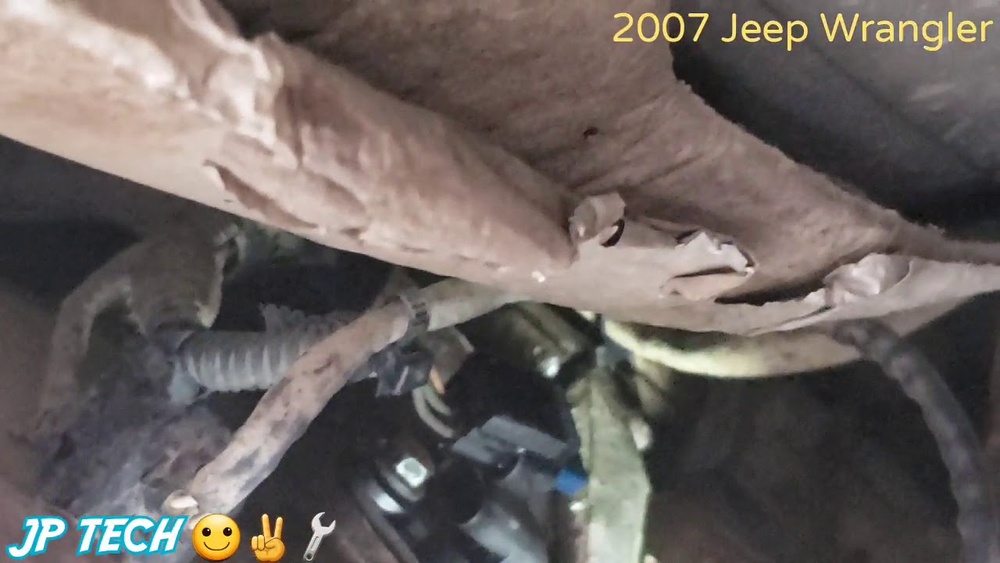
Jeep Wrangler JK models often need more than just the converter replaced. The exhaust system may have rust or damage in larger sections. Replacing entire sections ensures no leaks affect sensor readings. Use proper tools and follow safety steps during replacement. This helps maintain correct exhaust flow and sensor function.
Locating Quality Replacement Parts
Choose replacement parts from trusted suppliers to ensure quality. Online stores like AutoZone or Advance Auto Parts provide reliable options. Check local shops for genuine Jeep parts and expert advice. Verify part numbers match your Jeep’s model year and engine type. Quality parts last longer and prevent repeat problems.
Diy Vs Professional Repair
Deciding between DIY and professional repair for the P0420 code on your Jeep Wrangler JK requires careful thought. This code signals low efficiency in the catalytic converter system. Some Jeep owners choose to fix it themselves. Others hire a mechanic. Both options have pros and cons to consider.
Repair Complexity
Fixing a P0420 code is not always straightforward. The job may involve diagnosing oxygen sensors, checking exhaust leaks, or replacing the catalytic converter. Understanding how these parts work together helps. A DIY repair needs basic tools and some car knowledge. But certain tasks, like welding or handling emissions parts, can be tricky. Professionals have the training and equipment to manage complex repairs safely and accurately.
Cost Considerations
DIY repair can save money on labor costs. You only pay for parts and materials. But mistakes may lead to more damage and higher expenses later. Professional repair costs more upfront. This covers labor, diagnostics, and warranty on the work. Professionals often have access to better parts and discounts. Balancing cost and risk is key. Sometimes paying more ensures the problem gets fixed right the first time.
Finding Local Repair Shops
Choosing a trusted repair shop near you is important. Look for shops specializing in Jeep or off-road vehicles. Check reviews and ask for recommendations. A good shop offers clear estimates and honest advice. Many offer warranties on repairs. Visiting a local shop can save time and support your community. They can also provide ongoing maintenance and help with future issues.
Preventing Future P0420 Codes
Preventing future P0420 codes in your Jeep Wrangler JK helps avoid costly repairs. The P0420 code means the catalytic converter is not working as it should. Keeping your vehicle in good condition lowers the chance of this code returning. Simple steps and care can protect your Jeep’s exhaust system and engine performance.
Regular Maintenance Tips
Check your Jeep’s exhaust system regularly for leaks or damage. Replace worn-out oxygen sensors on time. Keep the engine tuned and change oil at recommended intervals. Clean or replace air filters to ensure proper air flow. Regular inspections catch problems before they cause the P0420 code.
Fuel Quality Importance
Use high-quality fuel to keep the catalytic converter clean. Poor fuel can cause carbon buildup and reduce converter efficiency. Avoid using fuel with high ethanol content. Good fuel prevents deposits that harm sensors and exhaust parts. This simple choice extends your Jeep’s emissions system life.
Addressing Engine Performance Issues Early
Fix engine misfires and rough idles quickly. Poor engine performance leads to excess emissions and converter damage. Watch for warning signs like reduced power or strange noises. Early repairs stop problems from worsening. A healthy engine supports a fully working catalytic converter.
Helpful Resources
Finding the right information can make fixing the P0420 code on a Jeep Wrangler JK easier. Many helpful resources exist online to guide owners through diagnostics and repairs. These resources provide advice, tutorials, and parts locations.
Using trusted sources helps avoid costly mistakes. It also saves time by giving clear steps and tips. Here are some useful places to start learning and troubleshooting.
Online Jeep Forums
Jeep forums bring together owners and experts who share their experiences. They discuss common problems like the P0420 code and offer solutions. Members post repair stories, part recommendations, and troubleshooting tips. Forums such as JK-Forum and WranglerForum.net are popular choices. You can ask questions and get answers from real Jeep users.
Youtube Repair Guides
Video tutorials show step-by-step repairs on Jeep Wranglers. Channels like Donny The Late Model Tech and Bruce Mobile provide clear instructions. Watching these guides helps visualize the repair process. They cover sensor checks, exhaust inspections, and catalytic converter replacements. These videos simplify complex repairs into easy-to-follow actions.
Parts Store Locators
Finding the right parts is key to fixing the P0420 code correctly. Websites like AutoZone and Advance Auto Parts offer store locators. These tools show nearby locations with the parts you need. Many stores provide online ordering and in-store pickup. This makes getting quality components fast and convenient.

Frequently Asked Questions
What Is The Code P0420 On A Jeep Wrangler?
The P0420 code on a Jeep Wrangler means the catalytic converter’s efficiency is below the required threshold. This often signals converter failure or exhaust leaks.
Is The P0420 Bank 1 Or 2?
The P0420 code refers to Bank 1, indicating the catalytic converter’s efficiency is below the threshold on that side.
How To Fix P0420 Fault Code?
Check for exhaust leaks and fix them first. Clean the catalytic converter using a fuel additive. Replace the catalytic converter if faulty. Test oxygen sensors for proper function and replace if needed. Clear the trouble code and retest to ensure the issue is resolved.
What Is The Most Common Cause Of The Code P0420?
The most common cause of code P0420 is a failing catalytic converter. It often shows reduced efficiency in emissions control.
Conclusion
The P0420 code signals a catalytic converter issue in your Jeep Wrangler JK. Start by checking for exhaust leaks and sensor problems. Cleaning the catalytic converter might help if it is slightly clogged. If the converter is faulty, replacement is necessary.
Replacing parts can be costly, so diagnose carefully before proceeding. Use trusted sources to find parts and service options. Taking quick action helps maintain your Jeep’s performance and lowers emissions. Keep your Wrangler running smoothly by addressing P0420 promptly.