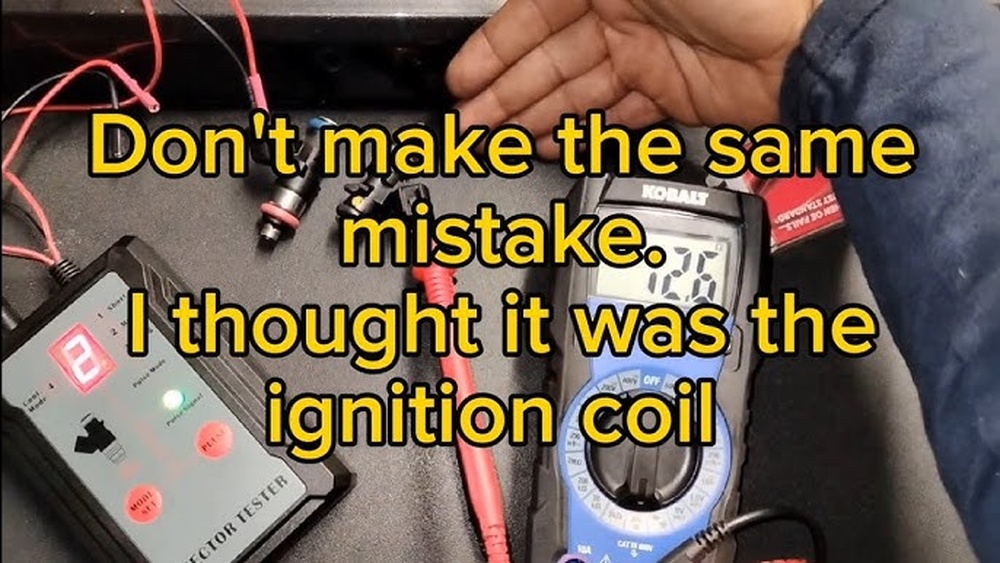
If your Jeep’s check engine light starts flashing, you might feel a mix of confusion and concern. You’re probably wondering, “What’s going on under the hood?” and “Is it safe to keep driving?” A flashing check engine light isn’t something to ignore—it’s your Jeep’s way of telling you there’s a serious problem that needs immediate attention.
This warning usually points to engine misfires, which can cause costly damage if left untreated. You’ll discover the main reasons why your Jeep’s check engine light flashes and what steps you should take to protect your vehicle and your safety.
Keep reading to learn how to decode this urgent signal and avoid bigger headaches down the road.
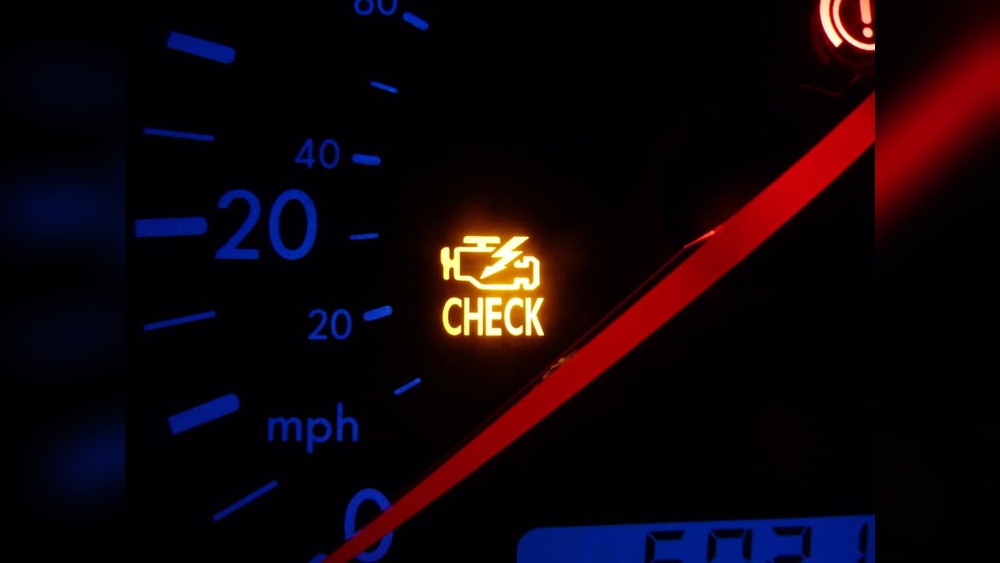
Flashing Check Engine Light Meaning
The flashing check engine light on your Jeep signals a serious problem. It warns you that the engine is misfiring. This issue needs immediate attention. Ignoring it can cause more damage and higher repair costs.
This light does not flash for minor issues. It flashes to alert you of a problem that can harm your vehicle’s engine or emissions system. Understanding what the flashing light means can help you act fast and prevent bigger problems.
Engine Misfire Warning
A flashing check engine light most often means the engine is misfiring. Misfires happen when fuel or air does not ignite correctly in the engine cylinders. This causes rough running and loss of power. It can also make your Jeep shake or stall.
Engine misfires can damage parts like spark plugs, ignition coils, or fuel injectors. They also increase harmful emissions. Fixing the misfire early helps protect your engine and keeps your Jeep running smoothly.
Potential Catalytic Converter Damage
A misfire can lead to damage in the catalytic converter. The catalytic converter cleans harmful gases from your Jeep’s exhaust. When fuel burns incorrectly, it can cause excess heat inside this part. This heat can melt or clog the converter.
Replacing a catalytic converter is expensive. A flashing check engine light helps you avoid this cost by alerting you early. Addressing the root cause stops damage before it spreads.
Differences Between Steady And Flashing Lights
A steady check engine light means a less urgent problem. It signals issues like a loose gas cap or faulty sensor. These problems still need repair but are not emergencies.
A flashing check engine light means a severe problem. It demands immediate action to avoid engine damage. Driving with a flashing light can make the problem worse. Stop driving and have your Jeep checked as soon as possible.

Common Causes Of Flashing Light
The Jeep check engine light flashing is a serious alert. It signals the engine needs immediate attention. Ignoring this warning can cause major damage. Watch for urgent signs that show your Jeep is in trouble. Acting fast can save costly repairs and keep you safe on the road.
Loss Of Engine Power
A flashing check engine light often means the engine is losing power. You may notice slow acceleration or difficulty climbing hills. The engine might hesitate or feel weak. This loss of power can make driving unsafe. Stop and check the vehicle as soon as possible.
Rough Idling Or Stalling
Your Jeep may idle roughly or stall when the engine light flashes. The engine may shake or run unevenly. Stalling can happen suddenly, causing loss of control. These issues indicate a misfire or fuel problem. Immediate inspection is necessary to avoid breakdowns.
Unusual Engine Noises
Listen for strange noises from the engine if the light flashes. You might hear knocking, pinging, or rattling sounds. These noises suggest internal engine problems. Ignoring them can lead to engine failure. Have a mechanic check the engine right away.
Excessive Exhaust Smoke
Flashing engine light may come with thick or unusual exhaust smoke. The smoke can be black, white, or blue. This shows burning oil or fuel issues. Excessive smoke harms the environment and signals serious engine faults. Seek professional help to fix the problem fast.
Urgent Warning Signs To Watch For
Preventive maintenance keeps your Jeep running smoothly and avoids engine problems. Small tasks done regularly protect your engine from damage. These tasks help stop the check engine light from flashing.
Following simple maintenance tips improves your Jeep’s performance and saves money. It also extends the life of your vehicle. Focus on key areas to keep your engine healthy.
Regular Spark Plug Replacement
Spark plugs ignite the fuel in your engine. Old or dirty spark plugs cause misfires and rough running. Replace spark plugs at the recommended intervals. This keeps the engine firing correctly and stops the check engine light from flashing.
Fuel System Cleaning
A clean fuel system delivers fuel efficiently to the engine. Dirt or deposits clog fuel injectors and filters. Clean the fuel system regularly to prevent engine misfires. This reduces stress on the engine and prevents warning lights.
Battery Health Checks
A weak battery can cause electronic problems and engine issues. Test your battery regularly with a proper tester. Replace it before it fails to keep your Jeep’s systems stable. A healthy battery helps avoid flashing engine lights.
Routine Sensor Inspections
Sensors monitor engine functions and send signals to the computer. Faulty sensors cause wrong readings and trigger the check engine light. Inspect sensors like oxygen and mass airflow sensors often. Fix or replace bad sensors to keep the engine running well.
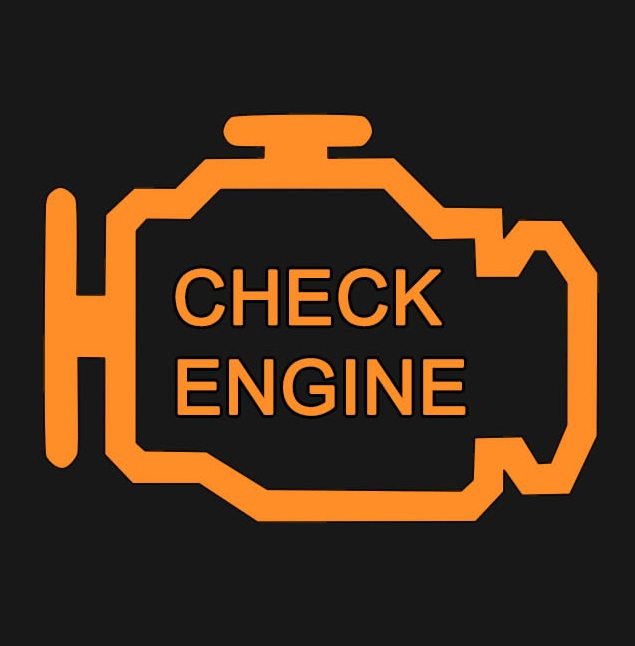
Immediate Actions To Take
The Jeep check engine light flashing is a serious signal. It means the engine may have a problem that needs quick attention. Knowing when to seek emergency help can protect your Jeep from damage. It also keeps you safe on the road. Watch for signs that need urgent care.
Persistent Flashing Light
A check engine light that flashes and does not stop is a warning. It shows the engine is misfiring or has a serious fault. Driving with this condition can harm the engine and parts like the catalytic converter. Stop the vehicle safely and have it checked right away.
Engine Performance Deterioration
If your Jeep’s engine starts running rough, losing power, or stalling, it is a bad sign. These changes mean the engine is struggling to work correctly. A flashing check engine light with these symptoms calls for immediate help. Do not drive far or fast until the problem is fixed.
Warning Lights Accompanied By Smell Or Smoke
Smoke or a burning smell from the engine area is an emergency. It can mean overheating, a fire risk, or fluid leaks. If these appear with a flashing check engine light, stop driving instantly. Turn off the engine and call for roadside assistance or emergency help.

Frequently Asked Questions
Can I Drive My Car With The Check Engine Light Flashing?
Do not drive with a flashing check engine light. It signals a severe engine misfire that can damage your catalytic converter. Stop and have your vehicle inspected immediately.
What Does A Red Lightning Bolt On A Jeep Mean?
A red lightning bolt on a Jeep signals a severe engine misfire. It risks damaging the catalytic converter. Immediate diagnostics and repairs are essential.
What Is The Most Common Cause Of Flashing A Check Engine Light?
The most common cause of a flashing check engine light is an engine misfire. It often involves faulty spark plugs or ignition coils. This condition can damage the catalytic converter, so immediate diagnosis and repair are essential.
Why Is My Engine Light Flashing But My Car Is Running Fine?
A flashing engine light usually signals a severe engine misfire. It risks damaging the catalytic converter. Have a mechanic check it immediately.
Conclusion
A flashing check engine light on your Jeep signals a serious engine problem. It often means the engine is misfiring. Driving with this issue can damage your catalytic converter. Stop driving as soon as you notice the light flashing. Have a mechanic check the error codes quickly.
Early action helps prevent costly repairs. Keep your Jeep running safely and smoothly. Don’t ignore this warning—it protects your engine’s health.