If you’ve noticed the gas cap light glowing on your 2013 Jeep Wrangler’s dashboard, you’re not alone—and it can be frustrating. You might think it’s a simple gas cap issue, but sometimes the cause runs deeper.
Ignoring this warning could lead to fuel system problems or even a check engine light turning on. You’ll discover why your Jeep’s gas cap light keeps coming on, common fixes you can try yourself, and when it’s time to seek professional help.
Keep reading to protect your Wrangler and keep it running smoothly.
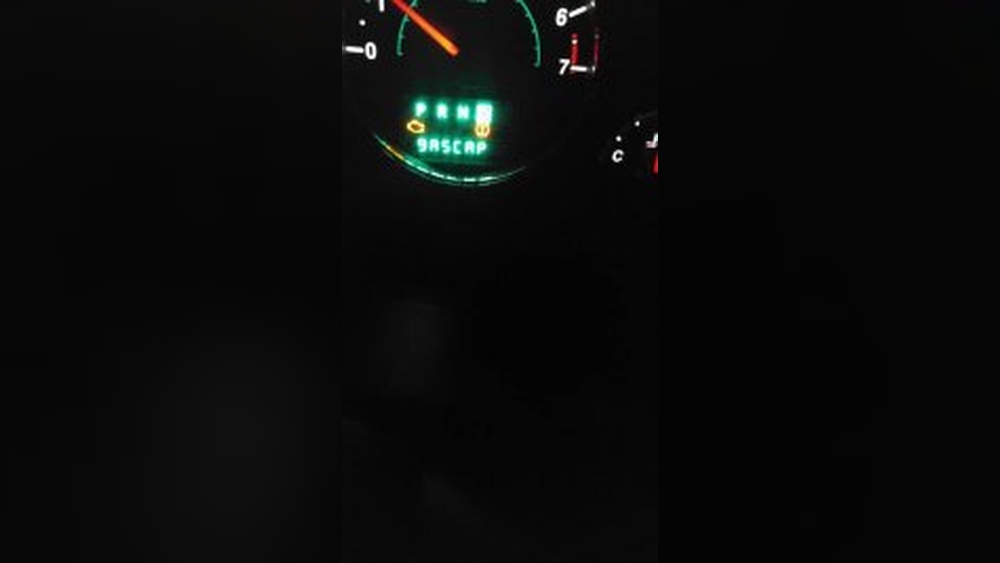
Gas Cap Light Causes
The gas cap light on a 2013 Jeep Wrangler signals a problem in the fuel system. It usually means the vehicle detects a leak or issue that affects fuel vapors. This warning helps prevent harmful gases from escaping into the air.
Several causes can trigger this light. Understanding these causes helps fix the problem quickly. Here are the main reasons behind the gas cap light.
Loose Or Damaged Gas Cap
A loose gas cap is the most common cause. It may not seal properly if it is not tightened after fueling. A damaged or cracked gas cap can also cause a poor seal. The Jeep’s system senses air leaks from the fuel tank and turns on the light.
Check the gas cap’s rubber seal for cracks or dirt. Clean the seal and the filler neck before tightening the cap firmly. This simple fix clears the warning in many cases.
Evaporative Emissions System Leak
The gas cap light can point to a leak in the EVAP system. This system traps fuel vapors to reduce pollution. A crack or hole in EVAP hoses or connections causes leaks.
Leaks let vapors escape, triggering the gas cap light. Locating the leak may need a mechanic’s help. They check hoses, valves, and the charcoal canister for damage.
Faulty Evap Components
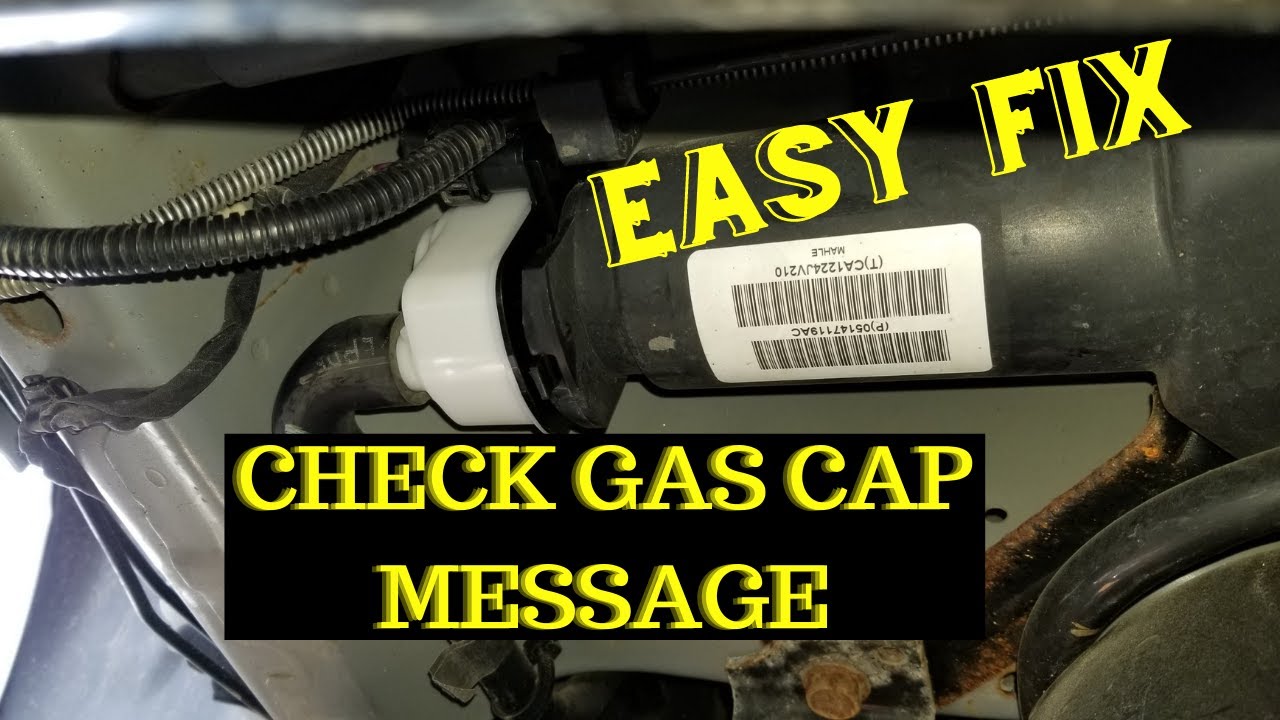
Faulty EVAP parts also cause the warning light. Common parts include the purge valve and the EVAP System Integrity Module (ESIM). The ESIM is a small, cheap part near the charcoal canister. It monitors system pressure and detects leaks.
When these parts fail, the system cannot maintain proper pressure. The gas cap light will stay on until repairs happen. Replacing faulty components solves this issue.
Aftermarket Gas Cap Issues
Aftermarket gas caps may not fit or seal correctly on Jeep Wranglers. Using a non-OEM cap often causes leaks and the gas cap light to turn on. Mopar OEM gas caps fit perfectly and seal tightly.
If you replaced your gas cap, verify it is an original Mopar part. This prevents future problems and keeps the fuel system sealed. Proper sealing stops the gas cap light from coming on.
Diagnosing The Problem
The gas cap light on a 2013 Jeep Wrangler signals a problem with the fuel system. It often means there is a leak in the evaporative emissions (EVAP) system. Diagnosing the problem involves several key steps to find the exact cause. Each step helps to rule out common issues and pinpoint the source of the leak.
Start with the simplest checks before moving to more complex parts. The gas cap is the most common cause. If it is not the cap, inspecting hoses and valves comes next. Testing the ESIM module can also uncover hidden faults. Using diagnostic tools helps confirm what needs fixing.
Checking The Gas Cap Seal
Look at the rubber seal on the gas cap for cracks or dry rot. Dirt or debris can stop the cap from sealing properly. Clean the seal and the fuel filler neck with a soft cloth. After cleaning, tighten the gas cap until it clicks several times. After driving a short distance, check if the light goes off. Using an original Mopar OEM gas cap is best, as aftermarket caps often fail to seal correctly.
Inspecting Evap Hoses And Valves
Examine the EVAP hoses for cracks, holes, or loose connections. These hoses carry fuel vapors and must be sealed. Check the purge valve and vent valve for proper operation. Damaged or stuck valves cause leaks that trigger the gas cap light. Replace any worn or broken parts to restore the system’s integrity.
Testing The Esim Module
The ESIM (Evaporative System Integrity Module) is part of the EVAP system. It monitors pressure and leaks in the fuel system. A faulty ESIM can cause false gas cap warnings. The module is located near the charcoal canister under the Jeep. Testing involves checking electrical connections and pressure readings. Replace the ESIM if it fails to work correctly, as it is inexpensive and easy to swap.
Using Diagnostic Tools
Scan the vehicle’s computer with an OBD-II scanner to read error codes. These codes help identify the exact source of the leak. Some scanners can test the EVAP system’s pressure and function. Clear the codes after repairs and drive the Jeep to see if the light stays off. Diagnostic tools save time and guide repairs efficiently.
Common Fixes
The gas cap light in a 2013 Jeep Wrangler often signals a small leak in the EVAP system. Preventing this warning keeps the dashboard clear and the system working well. Simple habits and checks can avoid unnecessary gas cap light issues.
Regular care helps maintain a tight seal and proper function. Using the right parts and gentle handling can stop common problems. Watching the EVAP system’s health also prevents unexpected alerts.
Using Oem Mopar Gas Caps
Always choose original Mopar gas caps for your Jeep Wrangler. These caps fit perfectly and seal tightly. Aftermarket caps may cause leaks or fit loosely. Using OEM parts reduces the chance of false gas cap warnings.
Regular Seal Maintenance
Check the gas cap’s rubber seal often for cracks or dirt. Clean the seal and the fuel filler neck gently. Replace the seal if it looks worn out. A clean, intact seal keeps the fuel system sealed and avoids leaks.
Avoiding Over-tightening
Turn the gas cap until you hear clicks, but do not force it. Over-tightening can damage the seal or threads. A properly tightened cap prevents fuel vapor leaks. Listen for the clicks to know when it is secure.
Monitoring Evap System Health
Keep an eye on the EVAP system components like hoses and valves. Damaged or loose parts can trigger the gas cap light. Have a mechanic inspect the system if the light stays on. Early checks help fix small leaks before they grow.

Frequently Asked Questions
Why Does My Jeep Wrangler Keep Saying Gas Cap?
Your Jeep Wrangler’s “gas cap” warning usually signals a leak in the EVAP system. Check the gas cap’s seal for cracks or debris. Use an original Mopar gas cap for proper sealing. If the issue persists, inspect EVAP hoses, purge valve, or the EVAP System Integrity Module (ESIM).
Why Does It Say Check Fuel Cap But The Cap Is There?
The “check fuel cap” message appears due to a possible leak in the EVAP system. The cap might be loose, damaged, or its seal dirty. Also, a faulty EVAP hose, purge valve, or system module can trigger this warning despite the cap being present.
What Else Can Cause A Gas Cap Light To Come On?
A gas cap light can also come on due to a faulty EVAP hose, purge valve, or a damaged EVAP system module. Dirt or cracks on the gas cap’s seal can cause leaks. Aftermarket caps may fail to seal properly.
The system detects any fuel system leaks or loose caps.
How To Reset Jeep Gas Cap?
Tighten the gas cap securely until it clicks. Drive for a few miles to reset the system. If the light stays, check the cap’s seal or replace it with a Mopar OEM part.
Conclusion
The 2013 Jeep Wrangler gas cap light often signals an EVAP system leak. Check the gas cap seal for damage or dirt first. Use only Mopar OEM caps for the best fit and seal. If the cap looks fine, inspect EVAP hoses and related parts next.
Fixing these issues keeps your Jeep running smoothly. Stay alert to dashboard warnings to avoid bigger problems later. Regular checks help maintain your vehicle’s performance and safety. Simple steps can clear the gas cap light and give peace of mind.