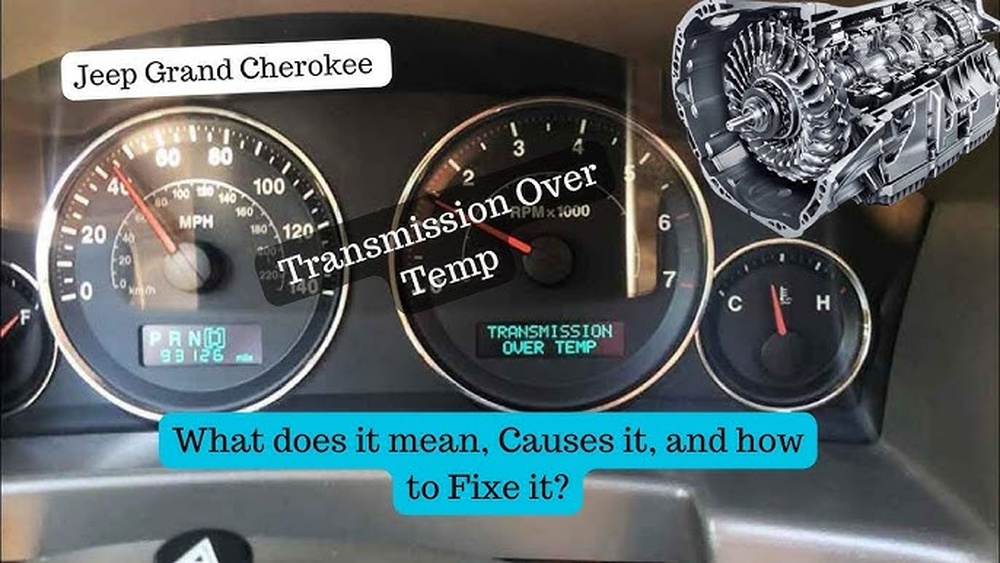
Have you ever noticed a lightning bolt symbol lighting up on your Jeep’s dashboard and wondered what it means? If you’re driving a Jeep and that bright lightning bolt dash light suddenly appears, it’s not just a random icon—it’s trying to tell you something important about your vehicle’s health.
Ignoring this warning could lead to reduced performance or even leave you stranded. But don’t worry, understanding what this lightning bolt means and how to handle it doesn’t have to be complicated. You’ll discover exactly what triggers that dash light, what it means for your Jeep’s electronic throttle system, and the simple steps you can take to fix it.
Keep reading to protect your Jeep and keep your drives smooth and safe.
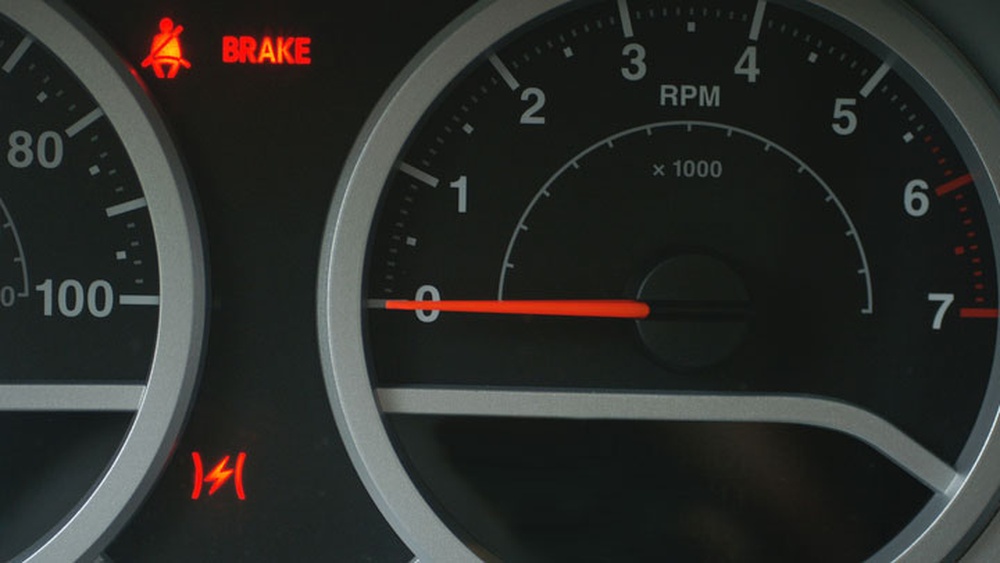

Lightning Bolt Dash Light Meaning
The Lightning Bolt Dash Light on a Jeep signals an issue with the vehicle’s throttle system. This warning light is shaped like a lightning bolt and usually appears in red or yellow. It alerts the driver that the Electronic Throttle Control system needs attention. Ignoring this light can lead to reduced engine performance or unsafe driving conditions.
This dash light often means the vehicle has entered a low power or limp mode. Limp mode protects the engine by limiting speed and power until the problem is fixed. Understanding what this light means helps Jeep owners respond quickly and avoid costly repairs.
Electronic Throttle Control Warning
The Electronic Throttle Control (ETC) system manages how the engine responds to the gas pedal. The lightning bolt light comes on when the ETC detects a problem. Common causes include a faulty throttle body or sensor failures. The throttle body can wear out or get dirty, causing communication errors with the engine control unit.
Other issues might involve wheel speed sensors or coolant temperature sensors. These parts send data to the ETC, helping it adjust engine power. When these sensors fail, the system triggers the warning light. Drivers should avoid heavy acceleration and have the system checked by a mechanic.
Low Power Or Limp Mode
When the lightning bolt light appears, the Jeep may enter low power or limp mode. This mode reduces engine power to protect the car from further damage. The vehicle will feel slower, and acceleration will be limited. Limp mode keeps the Jeep drivable but at reduced performance.
It is important to address the root cause quickly. Continuing to drive in limp mode can cause more damage and higher repair costs. A diagnostic scan can identify the exact problem so mechanics can fix it properly.
The lightning bolt often shows alongside other warning lights. These can include the traction control light and the check engine light. Traction control may turn off due to throttle issues. The check engine light signals a broader engine problem that requires inspection.
Paying attention to all warning lights helps diagnose the Jeep’s issue faster. Ignoring multiple warnings can lead to engine failure or unsafe driving conditions. Regular vehicle maintenance reduces the chance of these warnings appearing.

Common Causes
The Lightning Bolt Dash Light on a Jeep signals an issue with the vehicle’s electronic throttle control system. This warning means the car may enter limp mode to protect the engine. Understanding common causes helps Jeep owners address the problem quickly. Several components can trigger this warning, each affecting the throttle system’s performance.
Faulty Throttle Body
The throttle body controls airflow into the engine. Over time, carbon buildup can block its gears or motor. This blockage stops the throttle body from sending correct signals to the car’s computer. Wear and tear on internal parts also cause malfunctions. A faulty throttle body often triggers the lightning bolt warning light.
Sensor Failures
Various sensors help the throttle system work properly. Wheel speed sensors can fail or get damaged by worn wheel hubs. The coolant temperature sensor also affects throttle control. When these sensors send wrong data, the car’s computer may activate the warning light. Sensor failures disrupt the engine’s smooth operation and cause limp mode.
Battery And Electrical Issues
The throttle system relies on stable electrical power. A weak or dying battery can cause voltage drops. Loose or corroded wiring may interrupt signals. Electrical faults confuse the throttle control system. These issues often turn on the lightning bolt dash light. Checking the battery and connections can prevent unexpected warning lights.
Troubleshooting Steps
The Lightning Bolt Dash Light on your Jeep signals an issue with the electronic throttle control system. Troubleshooting this warning light involves a few key steps. These steps help identify and resolve common causes of the problem. Follow each carefully to restore proper vehicle function.
Pedal Relearn Procedure
Start by turning the ignition to the “ON” position without starting the engine. Slowly press the gas pedal all the way to the floor. Hold it there for a few seconds, then slowly release it. Turn the ignition off. Wait a moment, then start the engine. This process resets the throttle position sensor and can clear the warning light.
Checking Battery And Grounds
A weak or failing battery may cause electronic issues. Check the battery voltage using a multimeter. Ensure battery terminals are clean and tight. Inspect ground wires for corrosion or loose connections. Poor grounding can disrupt the throttle control system and trigger the dash light.
Inspecting Throttle Body And Sensors
Remove the throttle body and check for carbon buildup or dirt. Clean it gently with throttle body cleaner if needed. Examine sensors like the throttle position sensor and coolant temperature sensor. Replace any damaged or faulty sensors. A malfunctioning sensor often causes the Lightning Bolt Dash Light to appear.
Diy Fixes
The Lightning Bolt Dash Light on your Jeep signals an issue with the electronic throttle control system. This warning can limit your vehicle’s power and affect drivability. You can try some simple DIY fixes to address common causes before visiting a mechanic. These steps often solve problems related to throttle body and sensor faults.
Cleaning The Throttle Body
Carbon buildup inside the throttle body can block airflow and cause the dash light to appear. Remove the air intake hose to access the throttle body. Use a throttle body cleaner and a soft brush to remove dirt and deposits. Clean both sides of the throttle plate carefully. Allow it to dry fully before reassembling. This fix can restore smooth airflow and improve engine response.
Resetting The Ecu
The Engine Control Unit (ECU) stores error codes when problems occur. Resetting it can clear false warnings and reset the throttle system. Disconnect the negative battery terminal and wait at least 15 minutes. Reconnect the battery and start the engine. This process resets the ECU memory and may turn off the dash light. Drive the Jeep normally to let the ECU relearn throttle settings.
Replacing Faulty Sensors
Faulty sensors often trigger the Lightning Bolt Dash Light. Common culprits include the throttle position sensor and coolant temperature sensor. Inspect sensors for damage or corrosion. Use a diagnostic scanner to identify faulty parts. Replace any sensor that shows error codes or fails testing. Sensor replacement restores accurate data to the ECU and can fix limp mode issues.
Professional Repair Options
When the lightning bolt dash light appears on your Jeep, professional repair options provide the best way to restore vehicle performance. Trained technicians use advanced tools to diagnose and fix the root cause. These repairs prevent further damage and improve driving safety. Below are key repair services that address common issues linked to the lightning bolt warning.
Throttle Body Replacement
The throttle body controls engine airflow and responds to the gas pedal. Over time, carbon buildup or mechanical failure can cause it to malfunction. Replacing the throttle body restores proper airflow and engine response. This repair often resolves limp mode and warning light problems. Certified mechanics ensure the new part fits perfectly and functions correctly.
Electronic Control Module Service
The Electronic Control Module (ECM) manages engine functions and sensor data. A faulty ECM can trigger warning lights and reduce engine power. Professional service includes testing, repairing, or replacing the ECM. This service ensures the vehicle’s computer system works smoothly. It helps clear error codes and restores normal operation.
Diagnostic Scanning
Diagnostic scanning uses specialized tools to read error codes from the vehicle’s system. These codes identify the exact problem causing the lightning bolt light. Skilled technicians perform a thorough scan to pinpoint issues quickly. This step guides the repair process and confirms when repairs succeed. It saves time and prevents unnecessary part replacements.
Upgrade Ideas
Upgrading your Lightning Bolt Dash Light Jeep can improve its reliability and driving experience. Focus on parts that enhance performance and electrical systems. These upgrades help prevent issues linked to the dash warning light and keep your Jeep running smoothly.
Performance Throttle Bodies
Replacing the throttle body can fix low power mode problems. Performance throttle bodies offer better airflow and response. They reduce carbon buildup and improve throttle control. This upgrade enhances engine efficiency and prevents the dash lightning bolt light from appearing. Choose a throttle body designed for your Jeep model to ensure perfect fit and function.
Aftermarket Dash Lights
Upgrading to aftermarket dash lights improves visibility and style. These lights use LED technology for brighter and clearer displays. They consume less power and last longer than stock lights. Custom dash lights can also provide better alerts, helping you notice issues sooner. Installing quality dash lights enhances your Jeep’s interior and driving safety.
Improved Electrical Components
Electrical issues often trigger the lightning bolt dash light. Upgrading wiring, connectors, and sensors prevents faults and errors. Use high-quality components to ensure stable electrical flow. Replacing old or damaged parts reduces the risk of sensor failures. Better electrical systems keep your Jeep’s computer running smoothly and avoid warning lights.
Preventive Maintenance Tips
Keeping your Jeep’s Lightning Bolt Dash Light off is easier with regular care. Preventive maintenance helps avoid sudden breakdowns. It keeps the throttle body and sensors working well. Regular checks save money and time on repairs.
Regular Battery Checks
Check the battery every month. Look for corrosion on terminals and clean if needed. Ensure the battery holds a full charge. Weak batteries can cause electrical issues and trigger dash lights. Replace old batteries before they fail.
Throttle Body Cleaning Schedule
Clean the throttle body every 20,000 miles. Dirt and carbon buildup block airflow. This causes poor engine performance and warning lights. Use a throttle body cleaner spray for best results. Regular cleaning keeps the engine running smoothly.
Sensor Inspection Routine
Inspect sensors every 15,000 miles. Check wheel speed sensors and coolant temperature sensors. Faulty sensors can cause the Lightning Bolt Dash Light. Replace damaged sensors to keep systems accurate. This routine prevents limp mode and power loss.
When To Seek Help
The Lightning Bolt Dash Light on your Jeep signals an issue with the Electronic Throttle Control system. Knowing when to seek help is crucial. Ignoring this warning can lead to more serious problems. Watch your vehicle closely for signs that need attention.
Persistent Warning Lights
If the lightning bolt dash light stays on for a long time, do not ignore it. This usually means the throttle system has a fault. A flashing or steady light requires a professional check. Persistent warning lights can indicate a deeper problem with your Jeep’s electronics.
Vehicle Performance Issues
Notice if your Jeep struggles to accelerate or runs roughly. Poor engine response or sudden power loss are red flags. The throttle may not open or close properly. These issues can make driving unsafe and damage the engine over time.
Safety Concerns
Any sudden changes in vehicle behavior are serious. Hesitation, stalling, or unusual engine sounds need immediate attention. The Lightning Bolt Dash Light means your Jeep may enter limp mode. This limits power to protect the engine but can increase crash risk.
Frequently Asked Questions
What Does The Lightning Bolt Symbol Mean On A Jeep?
The lightning bolt on a Jeep indicates an Electronic Throttle Control (ETC) warning. It signals low power or limp mode due to throttle body or sensor issues. Address it promptly to avoid performance problems.
How To Fix Lightning Bolt On Jeep Dash?
The lightning bolt on a Jeep dash signals an Electronic Throttle Control (ETC) issue. Perform a gas pedal relearn or check the throttle body and sensors. Repair or replace faulty parts to fix the warning light and restore normal function.
How Much Does It Cost To Fix A Jeep Electronic Throttle Control?
Fixing a Jeep electronic throttle control typically costs between $300 and $700. Prices vary by model and labor rates.
Can I Drive With The Throttle Control Warning Light On?
Driving with the throttle control warning light on is not recommended. It may cause reduced engine power or limp mode. Have your vehicle inspected promptly to avoid further damage and ensure safe driving.
Conclusion
The Lightning Bolt Dash Light on your Jeep signals an issue with the throttle control. It often means the vehicle limits power to protect itself. Simple steps like a pedal relearn might help reset it. Ignoring this light can lead to poor performance or stalling.
Getting a professional check ensures your Jeep runs smoothly. Stay aware of warning signs to keep your Jeep safe and reliable on the road.