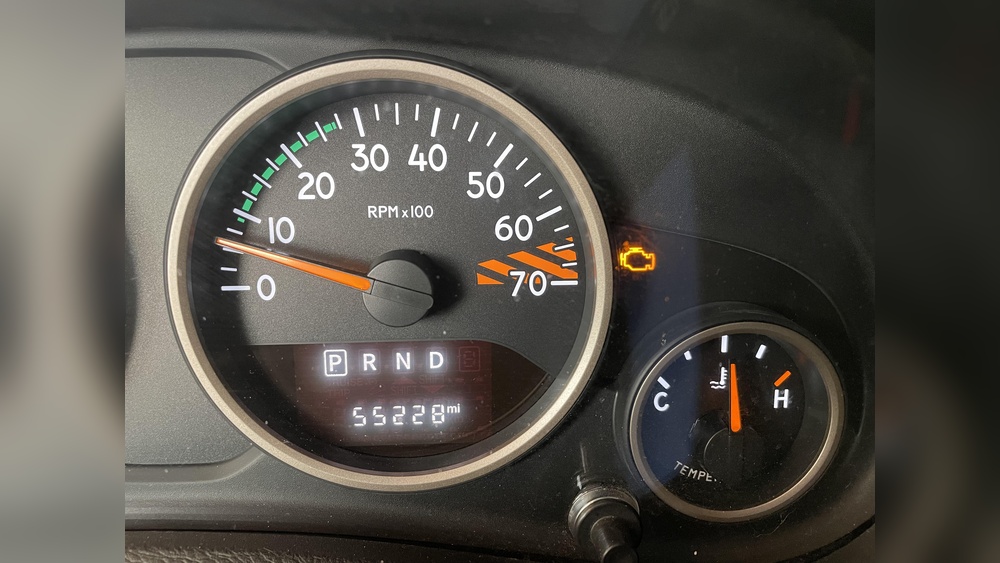
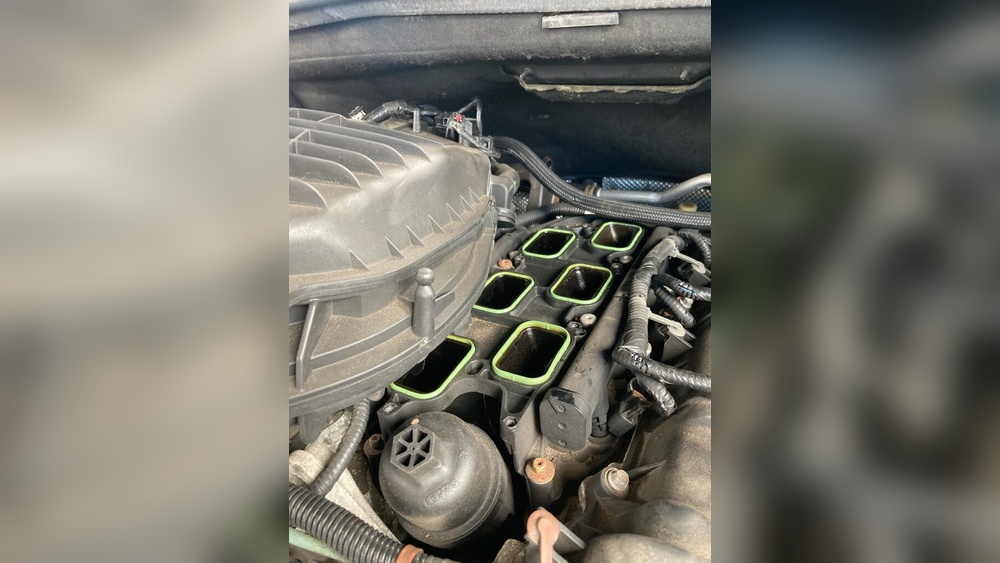
If you’ve seen the Jeep DTC P0340 code pop up on your dashboard, you’re probably wondering what it means and how it affects your ride. This trouble code points to a problem with your camshaft position sensor, a small but crucial part that helps your engine run smoothly.
Ignoring this warning can lead to rough starts, poor performance, or even bigger engine issues down the road. You’ll learn exactly what causes the P0340 code, how to spot the symptoms, and what steps you can take to fix it—so you can get back on the road with confidence.
Keep reading to make sure your Jeep stays in top shape.

P0340 Code Basics
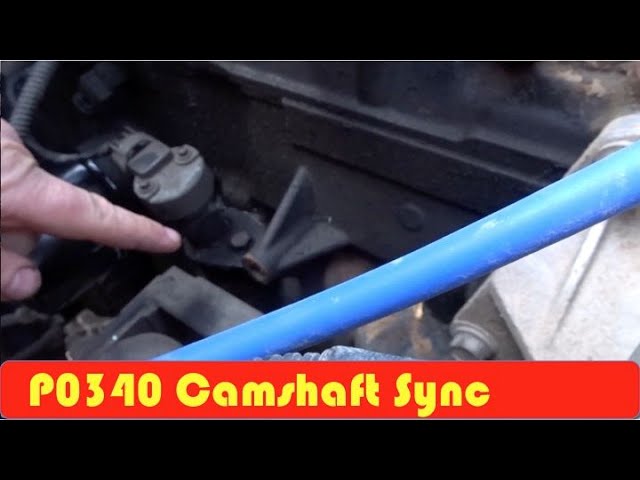
The P0340 code is a common trouble code for Jeep vehicles. It points to a problem with the camshaft position sensor circuit. This sensor helps the engine control unit (ECU) know the camshaft’s position. The ECU uses this data to control fuel injection and ignition timing. A faulty sensor or wiring issue can cause the P0340 code to appear.
Understanding the basics of the P0340 code helps Jeep owners diagnose and fix issues faster. This reduces the risk of engine damage and improves vehicle performance. Here, you will find key details about what triggers the code and the symptoms to watch for.
What Triggers P0340
The P0340 code triggers when the ECU detects no signal from the camshaft position sensor. This can happen due to a bad sensor, damaged wiring, or a loose connection. Sometimes, the timing chain or belt may be worn or broken. This affects the sensor’s ability to read the camshaft position correctly. Engine control module problems can also cause this code to set.
Symptoms To Watch For
One common symptom is the check engine light turning on. The engine may also run rough or stall unexpectedly. You might notice poor acceleration or hesitation during driving. Some Jeeps experience a hard start or long crank time. Fuel efficiency can drop, and the engine might misfire. These signs indicate the camshaft sensor or related parts need inspection.
Camshaft Position Sensor Role
Diagnosing the Jeep DTC P0340 code requires a clear and step-by-step approach. This code points to a camshaft position sensor issue. Following proper diagnostic steps helps identify the exact cause. It saves time and avoids unnecessary repairs.
Using A Scan Tool
Start with a scan tool to read the trouble code. The scan tool connects to the vehicle’s OBD-II port. It retrieves stored codes and live data. Check if P0340 is present or if other codes exist. Look at the camshaft sensor data for irregular signals. This helps confirm sensor failure or wiring issues.
Visual Inspection
Inspect the camshaft position sensor and its wiring harness. Look for broken wires, loose connectors, or corrosion. Check the sensor’s mounting to ensure it is secure. Damaged or dirty sensors can cause false readings. Clean the sensor and connectors if needed. Replace any visibly damaged parts.
Testing Sensor Resistance And Voltage
Use a multimeter to test the sensor’s resistance and voltage. Compare readings with the Jeep’s service manual specifications. Measure resistance across sensor terminals for proper values. Test voltage supply at the sensor connector. A weak or missing voltage can cause the P0340 code. Replace the sensor if tests show it is faulty.
Checking Timing Components
Inspect timing components related to the camshaft sensor. Check the timing chain or belt for wear or slack. Verify the camshaft position sensor’s alignment with the timing marks. Misalignment can cause inaccurate sensor signals. Repair or adjust timing parts as needed. Faulty timing components can trigger the P0340 code.
Common Causes Of P0340
Estimating the cost and time to fix Jeep DTC P0340 helps plan your repair better. This code usually means a problem with the camshaft position sensor or its circuit. Knowing the expenses and labor involved makes the process smoother. Below are typical costs and time frames for this repair.
Sensor Replacement Costs
The camshaft position sensor price ranges from $50 to $150. The price varies by Jeep model and sensor brand. OEM sensors cost more but offer better reliability. Aftermarket sensors are cheaper but may last less. Parts stores and online shops offer different prices, so compare before buying.
Labor Time Expectations
Replacing the camshaft position sensor usually takes 1 to 2 hours. Mechanics need to locate the sensor, remove the old one, and install the new one. Some Jeep models have sensors in hard-to-reach places, increasing labor time. Expect labor costs around $80 to $150 per hour depending on the shop.
Additional Repair Expenses
Sometimes, wiring or connectors cause the P0340 code. Repairing or replacing these parts adds extra cost. If the engine control module (ECM) has issues, reprogramming or replacement may be needed. Diagnostic fees may apply, typically $50 to $100. Always ask for a full estimate before repairs.
Frequently Asked Questions
How Do I Fix Error Code P0340?
Check and replace the camshaft position sensor if faulty. Inspect wiring and connectors for damage or corrosion. Clear the error code and test drive to confirm the fix.
How Much Does It Cost To Replace A Camshaft Position Sensor On A Jeep Wrangler?
Replacing a camshaft position sensor on a Jeep Wrangler typically costs between $150 and $300. This includes parts and labor. Prices vary by model year and mechanic rates. DIY replacement can reduce costs to around $50 for the sensor alone.
Can I Still Drive My Vehicle With A P0340 Code?
You can drive with a P0340 code, but expect rough idling, poor acceleration, and longer starting times. Fix soon.
Where Is The P0340 Camshaft Position Sensor A Circuit Bank 1?
The P0340 camshaft position sensor circuit bank 1 is located near the top of the engine, usually on the valve cover. It may also be found at the front or back of the cylinder head.
Conclusion
The Jeep DTC P0340 code signals a camshaft position sensor issue. This sensor helps the engine run smoothly and on time. Ignoring this code can cause poor engine performance or starting problems. Fixing the sensor or related wiring usually solves the problem.
Regular checks keep your Jeep reliable and safe to drive. Understanding this code helps you make smart repair choices. Stay alert to symptoms and address them quickly for best results.