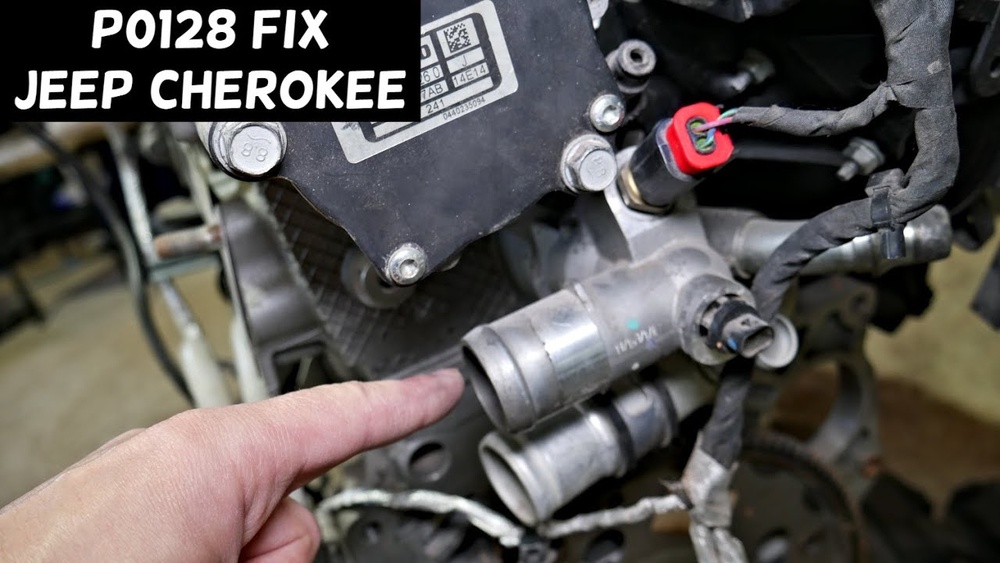
If you’ve ever seen the P0128 code pop up on your Jeep Cherokee’s dashboard, you know it can be confusing and a bit worrying. This code means your engine isn’t reaching the proper operating temperature, which can affect your vehicle’s performance and fuel efficiency.
But don’t panic—understanding what causes this issue and how to fix it can save you time, money, and stress. You’ll discover exactly what the P0128 code means for your Jeep Cherokee, why it happens, and simple steps you can take to get your engine running smoothly again.
Keep reading to protect your ride and keep it performing at its best.
Symptoms Of P0128 Code
Fixing the P0128 code on your Jeep Cherokee requires some essential tools. Having the right equipment saves time and effort. These tools help identify problems and perform quick repairs. Below are key tools for a fast and efficient fix.
Basic Hand Tools
Basic hand tools include wrenches, screwdrivers, and pliers. These tools help remove parts like the thermostat housing. A ratchet set speeds up loosening bolts. A flathead screwdriver can pry off covers carefully. Keep these tools handy for simple repairs.
Coolant Drain Equipment
Draining the coolant is necessary to replace the thermostat safely. Use a drain pan to catch old coolant. A funnel helps refill the system without spills. Gloves protect your hands from hot coolant. This equipment keeps the process clean and easy.
Diagnostic Scanners
A diagnostic scanner reads trouble codes from your Jeep’s computer. It confirms the P0128 code and resets it after repair. Some scanners show live data like coolant temperature. This information helps verify if the fix worked. A scanner is crucial for accurate diagnostics.

Causes Behind P0128
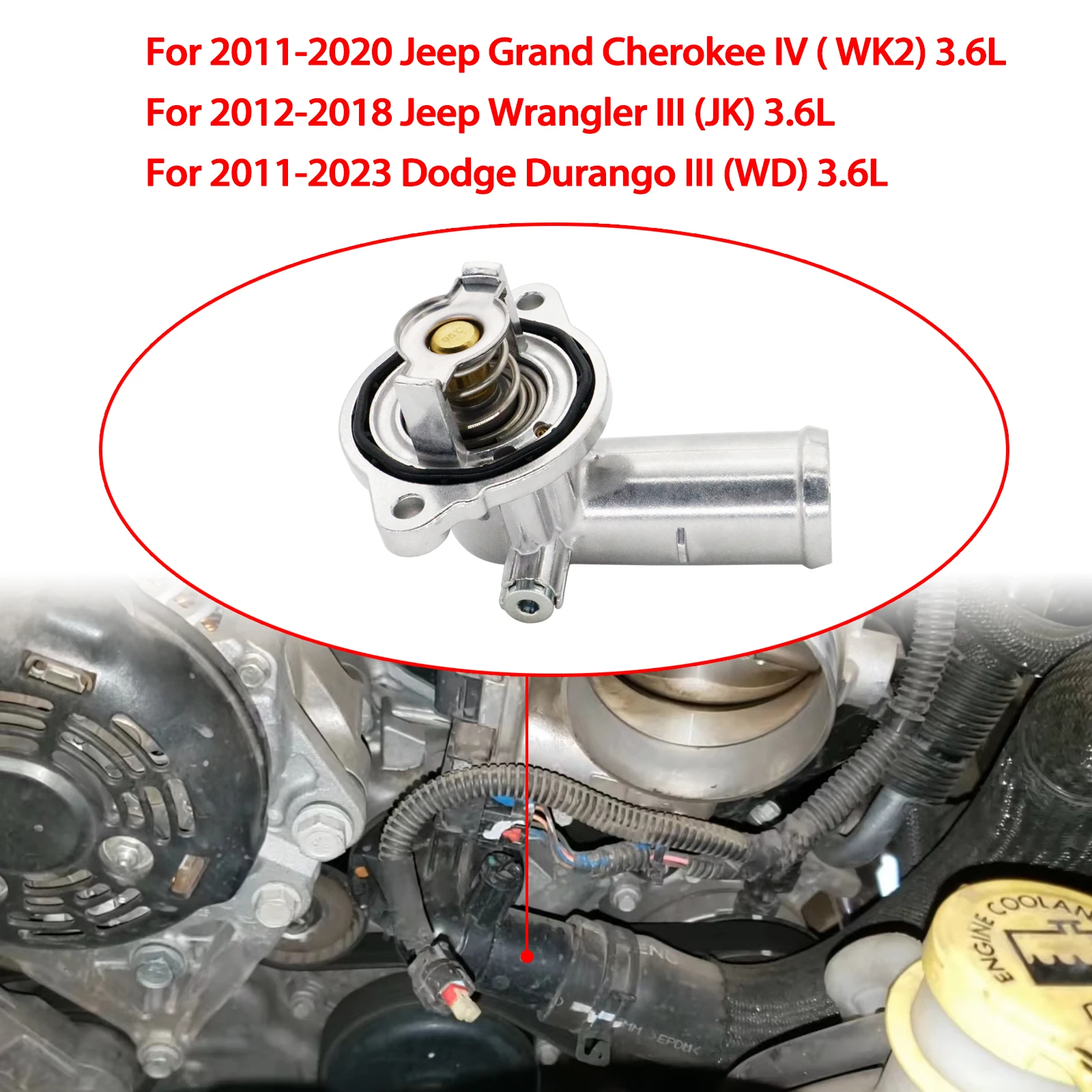
Replacing the thermostat in a Jeep Cherokee is key to fixing the P0128 code. This code points to the engine not reaching the right temperature. A stuck open thermostat often causes this. Follow these simple steps to replace the thermostat and help your engine warm up properly.
Draining The Coolant
Start by letting the engine cool down completely. Place a drain pan under the radiator. Open the drain valve to let the coolant flow out. This prevents spills when removing the thermostat. Make sure to dispose of old coolant safely.
Locating The Thermostat
Find the thermostat by tracing the upper radiator hose to the engine. It connects to a housing at the engine’s front. The housing holds the thermostat inside. Knowing this spot helps you avoid unnecessary parts removal.
Removing The Thermostat Housing
Use a wrench to unscrew the bolts on the thermostat housing. Remove the housing carefully to avoid breaking it. Set the housing aside once free. You will see the thermostat seated inside the housing now.
Installing The New Thermostat
Take out the old thermostat and clean the housing surface. Place the new thermostat in the same position. Ensure the spring side faces the engine. Replace the thermostat housing and tighten the bolts securely.
Refilling Coolant And Bleeding Air
Close the radiator drain valve. Pour new coolant into the radiator until full. Start the engine and let it run with the radiator cap off. Watch for air bubbles and add coolant as needed. Once bubbles stop, replace the cap.
Tools For Quick Fixes
The P0128 code on a Jeep Cherokee signals a problem with the coolant temperature sensor. Fixing this sensor is crucial to keep the engine running efficiently. A faulty sensor can cause poor fuel economy and engine overheating. This section guides you through locating, testing, and replacing the coolant temperature sensor.
Identifying Sensor Location
The coolant temperature sensor sits near the engine’s thermostat housing. It usually screws into the cylinder head or intake manifold. Look for a small sensor with an electrical connector and a threaded base. The exact spot varies by engine model and year. Consult your Jeep Cherokee’s manual to pinpoint the sensor quickly.
Testing Sensor Functionality
Test the sensor with a multimeter to check resistance. Disconnect the sensor’s electrical connector first. Measure resistance across the sensor terminals at room temperature. Then, compare the reading to your vehicle’s specifications. If readings are out of range, the sensor is likely faulty. You can also test voltage signals while the engine warms up.
Replacing The Sensor
Start by draining some coolant to avoid spills. Disconnect the electrical connector from the old sensor. Use a wrench to unscrew the sensor carefully. Install the new sensor by threading it into place. Tighten it snugly but avoid over-tightening. Reconnect the electrical plug and refill the coolant. Start the engine and check for leaks and proper function.
Thermostat Replacement Steps
Checking and refilling the coolant is vital for your Jeep Cherokee’s engine health. Coolant keeps the engine from overheating and prevents freezing in cold weather. Maintaining the right coolant level ensures the engine runs smoothly and avoids the P0128 error code, which signals a thermostat problem or low coolant.
Inspecting Coolant Levels
Park your Jeep on level ground and let the engine cool. Open the hood and find the coolant reservoir. Check the markings on the side for minimum and maximum levels. The coolant should be between these marks. If it looks low, your engine might overheat or run inefficiently.
Choosing The Right Coolant
Use the coolant type recommended in your Jeep Cherokee’s manual. Avoid mixing different coolant types to prevent damage. Most Jeep models use a specific antifreeze blend. Choose a coolant with corrosion inhibitors to protect the engine and radiator. Using the right coolant helps avoid engine problems and extends its life.
Proper Refilling Techniques
Make sure the engine is cool before opening the coolant reservoir cap. Slowly pour the coolant into the reservoir until it reaches the maximum level mark. Avoid overfilling as it can cause leaks or pressure issues. After refilling, close the cap tightly. Start the engine and let it run for a few minutes. Check again for leaks or level drops. Proper refilling keeps your Jeep’s cooling system working well.
Fixing Coolant Temperature Sensor
Preventing future overheating in your Jeep Cherokee is crucial for engine health and vehicle safety. Overheating can cause serious damage and costly repairs. Taking simple steps can keep your engine cool and running smoothly.
Regular Maintenance Schedule
Follow the recommended maintenance schedule for your Jeep Cherokee. Change the coolant regularly as old coolant loses its effectiveness. Inspect hoses and belts for cracks or leaks. Replace worn parts promptly to avoid overheating issues. Check the radiator for blockages and clean it if needed. Consistent upkeep prevents many overheating problems before they start.
Monitoring Engine Temperature
Keep an eye on your engine’s temperature gauge while driving. If the temperature rises above normal, stop and let the engine cool down. Use a scanner tool to check for trouble codes like P0128 early. Address any warning signs immediately to avoid damage. Early detection helps maintain your Jeep’s performance and safety.
Using Quality Parts
Always use high-quality parts when replacing components related to cooling. Choose OEM or trusted aftermarket thermostats, sensors, and coolant. Cheap parts may fail quickly and cause overheating. Quality parts ensure reliable operation and longer service life. Investing in good parts protects your engine from future issues.
Frequently Asked Questions
Can You Drive A Jeep With A P0128 Code?
You can drive a Jeep with a P0128 code, but the engine may run inefficiently. Fix the thermostat soon.
How Do I Fix A P0128 Engine Code?
Fix a P0128 code by replacing a stuck-open thermostat. Check and top off coolant levels. Inspect the coolant temperature sensor for faults. Clear the code after repairs.
What Is The Most Common Cause Of P0128?
The most common cause of P0128 is a thermostat stuck open. This prevents the engine from reaching proper operating temperature.
How Much Does It Cost To Replace A Thermostat In A 2015 Jeep Cherokee?
Replacing a thermostat in a 2015 Jeep Cherokee typically costs between $150 and $300. This includes parts and labor. Prices vary by location and mechanic. Using OEM parts may increase the cost. DIY replacement can reduce expenses significantly. Always check local rates for accurate pricing.
Conclusion
The P0128 code in a Jeep Cherokee usually means the engine is too cold. Most often, the thermostat stays open and stops the engine from warming up. This can lower fuel efficiency and cause poor performance. Fixing it quickly helps your Jeep run better and saves money on fuel.
Always check the thermostat and coolant sensor first. Regular maintenance keeps your vehicle healthy and avoids this issue. Stay alert to warning signs and act fast to keep your Jeep in top shape.