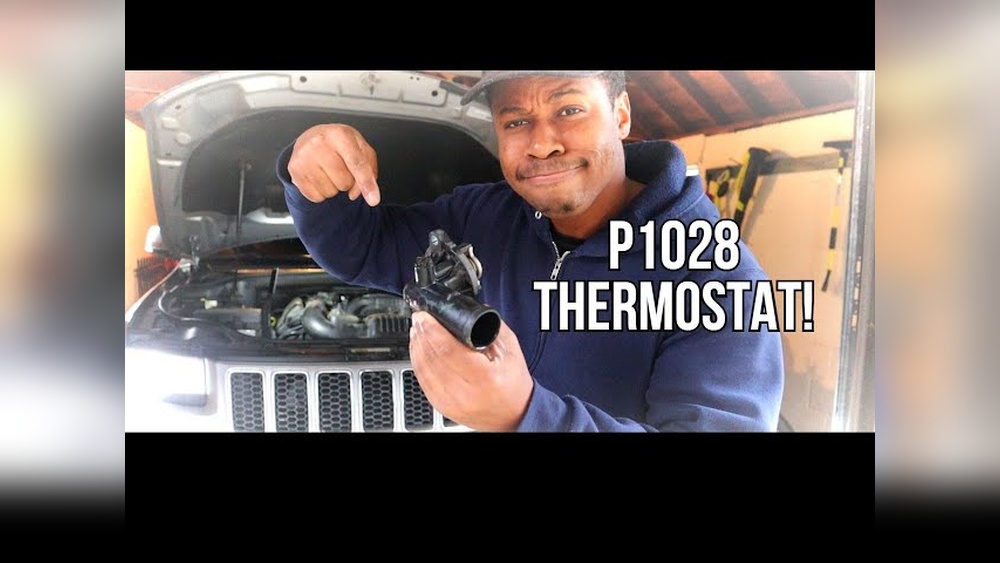
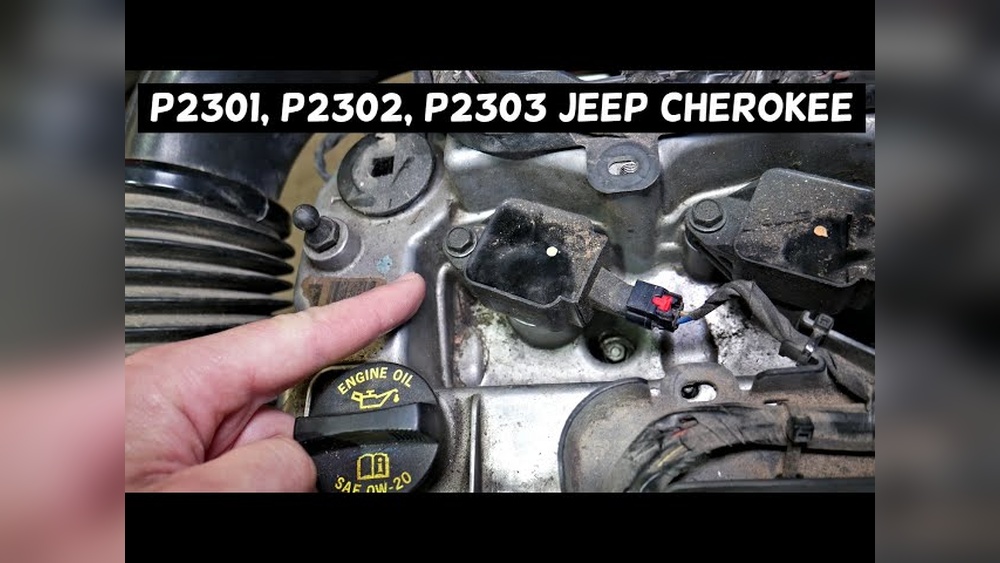
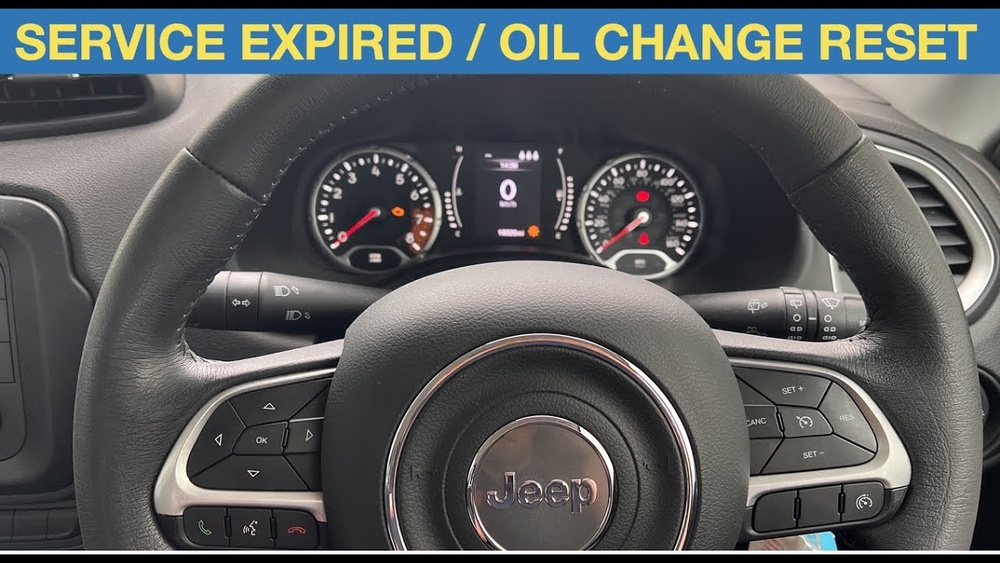
If you own a Jeep Wrangler, you know how important it is to keep your vehicle running smoothly. But when that check engine light comes on or your Wrangler starts acting up, you might feel lost.
That’s where knowing your Jeep Wrangler codes comes in handy. These codes are like a secret language that tells you exactly what’s wrong under the hood. Whether you’re a seasoned off-roader or just want to save time and money on repairs, understanding this Jeep Wrangler codes list will empower you to diagnose issues quickly and confidently.
Ready to unlock the mystery behind those flashing lights and warning signals? Keep reading to get the full rundown on what each code means and how you can use them to keep your Jeep in top shape.
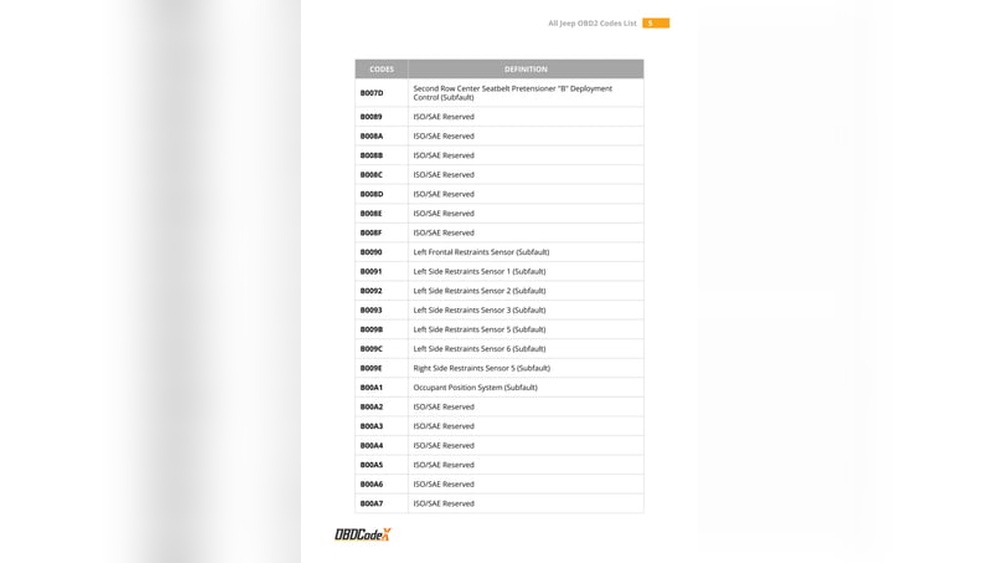
Jeep Wrangler Code Basics
Understanding Jeep Wrangler codes helps keep your vehicle running well. These codes give important details about your Jeep’s health. They show problems early, so you can fix them on time.
Knowing the basics of these codes helps you read and react to them. This guide covers what Jeep codes mean, the types you may see, and how these codes affect your Jeep Wrangler.
What Jeep Codes Mean
Jeep codes are messages from your vehicle’s computer. They point out specific issues or warnings. Each code has a letter and numbers that describe the problem. For example, “P” codes relate to the powertrain, like the engine or transmission. These codes help mechanics find and fix faults quickly.
Types Of Jeep Wrangler Codes
There are several types of Jeep Wrangler codes. Diagnostic Trouble Codes (DTCs) are the most common. They reveal engine, transmission, and emission system faults. Other codes include Body Control Module codes and ABS codes. Each type targets different parts of your Jeep. These codes appear on the dashboard or can be read with a scan tool.
How Codes Affect Your Vehicle
Codes impact how your Jeep performs. Some cause warning lights to come on, like the check engine light. This alerts you to a problem that needs attention. Ignoring codes can lead to bigger issues and costly repairs. Timely diagnosis and repair keep your Jeep safe and efficient.
How To Retrieve Jeep Wrangler Codes
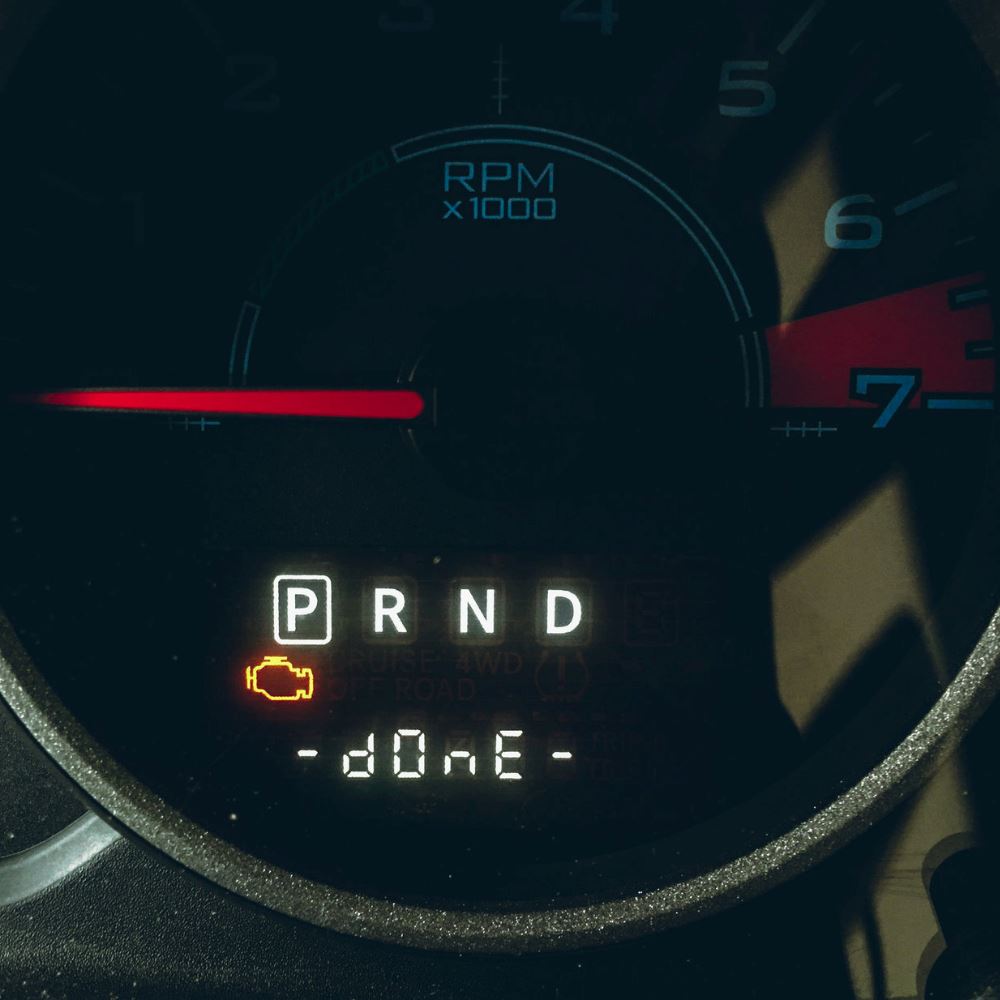
Retrieving Jeep Wrangler codes helps identify issues in your vehicle. These codes reveal problems with engine, transmission, or other systems. Knowing how to get these codes saves time and money on repairs. There are several ways to retrieve Jeep Wrangler codes depending on your model and tools available. Follow these simple methods to check your Jeep’s health.
Using The Ignition Key Method
This method works on many Jeep Wrangler models without needing extra tools. Insert the ignition key and turn it to the “ON” position without starting the engine. Then, turn the key off and on several times in a specific pattern. Usually, the sequence is ON-OFF-ON-OFF-ON within a few seconds. Watch the odometer or dashboard display for blinking codes. These flashes represent trouble codes that you can write down.
Count the number of blinks to identify each code. For example, two blinks followed by three blinks means code 23. Pause between codes to separate them clearly. Use your Jeep’s manual to interpret the codes or check an online Jeep Wrangler codes list.
Reading Codes With A Scan Tool
A scan tool or OBD-II scanner is the easiest and most accurate way to read Jeep codes. Plug the scanner into the vehicle’s OBD-II port, usually located under the dashboard. Turn the ignition to the ON position without starting the engine. Follow the scanner’s instructions to scan for trouble codes. The tool will display any stored diagnostic trouble codes (DTCs).
Many scanners also provide code definitions, making it simple to understand the problem. Some smartphone apps work with Bluetooth OBD-II adapters for added convenience. This method requires buying or borrowing a scanner but offers detailed information quickly.
Interpreting Dashboard Signals
The Jeep Wrangler dashboard uses warning lights and signals to alert you about issues. The check engine light is the most common indicator. It usually lights up steady or blinks when there is a problem. Other lights include battery, oil pressure, and temperature warnings. Each light corresponds to different systems and helps narrow down the issue.
Some models show error codes directly on the dashboard screen. Others require the ignition key method or scan tool to see detailed codes. Always pay attention to dashboard signals and act fast to prevent further damage.
Common Jeep Wrangler Codes
Jeep Wrangler owners often encounter diagnostic trouble codes. These codes help identify issues quickly. Understanding common Jeep Wrangler codes saves time and repair costs. This section explains key codes related to engine, transmission, throttle, fuel, ignition, and sensors.
Engine And Transmission Codes
Engine and transmission codes show problems with power and shifting. Common codes include P0300 for random misfires and P0700 for transmission faults. These codes indicate issues like worn spark plugs or transmission sensor failures. Fixing these early prevents further damage.
Throttle And Fuel System Codes
Throttle and fuel system codes point to fuel delivery and air control problems. Codes like P0171 mean the engine runs too lean, while P0120 relates to throttle position sensor errors. These issues affect engine performance and fuel efficiency. Timely checks keep your Jeep running smoothly.
Ignition And Sensor Codes
Ignition and sensor codes highlight problems with spark and engine monitoring. Codes such as P0351 indicate ignition coil faults, and P0135 shows oxygen sensor heater malfunctions. These codes help pinpoint faulty parts that impact starting and emissions. Addressing these keeps your Jeep reliable.

Frequently Asked Questions
What Are The Most Common Check Engine Codes?
The most common check engine codes include P0300 (random misfire), P0171 (lean fuel), P0420 (catalyst efficiency), P0442 (evap system leak), and P0135 (oxygen sensor heater). These codes indicate issues with ignition, fuel, emissions, or sensors.
Where Is The Secret Compartment On The Jeep Wrangler?
The secret compartment in the Jeep Wrangler is located under the rear seat cushion. Lift the seat to access the hidden storage space. This compartment is ideal for storing small valuables securely while off-roading or traveling. It keeps items out of sight and protected from the elements.
What Are The Jeep Codes?
Jeep codes are diagnostic trouble codes (DTCs) that identify vehicle issues. Use a scan tool or ignition key sequence to retrieve them.
How To Check Codes On Jeep Wrangler?
Insert the key into the ignition and turn it On-Off-On-Off-On. Read codes displayed on the odometer screen. Use an OBD-II scanner for detailed codes.
Conclusion
Knowing your Jeep Wrangler codes helps you spot issues fast. This list makes decoding simple and clear. Use it anytime your warning light comes on. Staying informed keeps your Jeep running smoothly. Save time and money by checking codes early.
Keep this guide handy for quick reference. Understanding codes brings confidence to your Jeep care. Drive smarter, not harder.