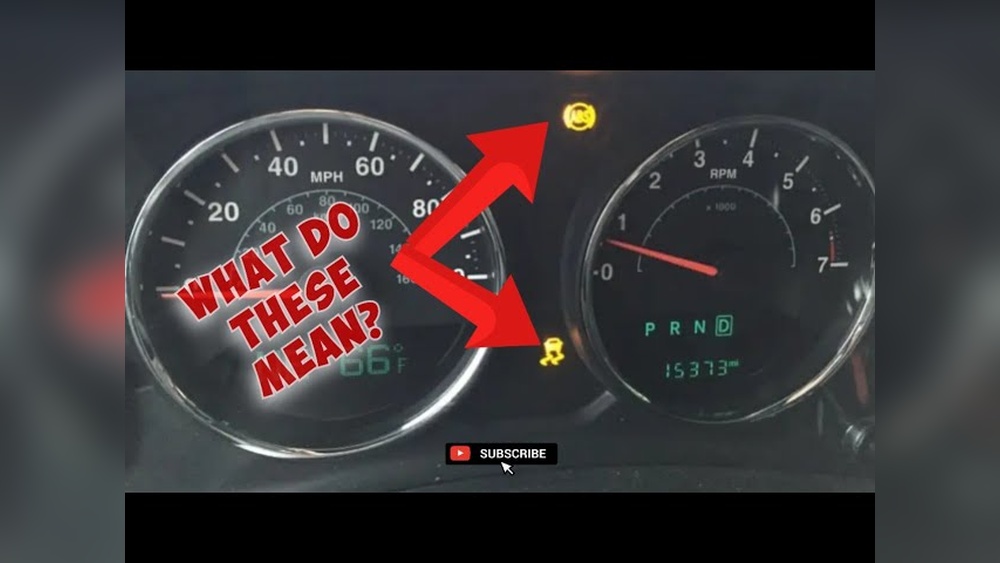
If you’ve just changed your tires or replaced a sensor on your 2014 Jeep Grand Cherokee, you might notice the TPMS (Tire Pressure Monitoring System) light staying on. This can be frustrating and distracting, especially when you know your tires are properly inflated.
The good news? You don’t need to visit a dealer or mechanic right away. With a simple TPMS relearn process, you can reset the system yourself and get that warning light to turn off. In this guide, you’ll discover easy-to-follow steps to relearn your Jeep’s TPMS sensors, helping you stay safe on the road and avoid unnecessary worries.
Keep reading, and you’ll have your Jeep’s tire pressure system back in perfect working order in no time.

Tpms Basics
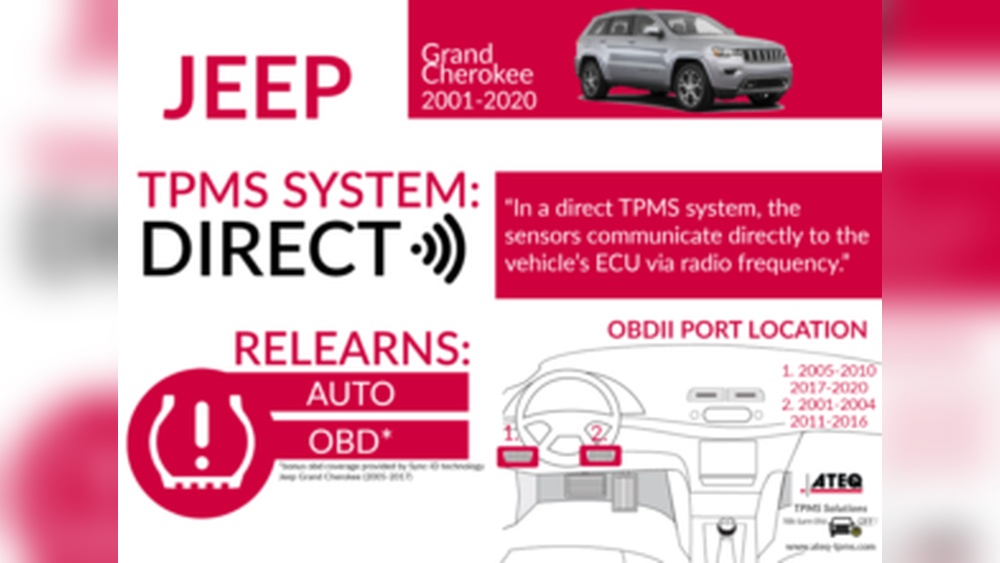
Understanding the basics of the Tire Pressure Monitoring System (TPMS) is key for Jeep Grand Cherokee owners. The TPMS keeps track of your tire pressure. It alerts you if the pressure is too low. This helps keep driving safe and saves fuel.
The system uses sensors inside each tire. These sensors send data to your vehicle’s computer. If the pressure drops below the recommended level, the TPMS light on your dashboard will turn on. This warns you to check your tires.
What Tpms Does
TPMS watches the air pressure in your tires all the time. It helps prevent unsafe driving caused by underinflated tires. Low tire pressure can cause poor handling and increase the chance of a blowout. TPMS lets you fix this before it becomes a problem.
It also improves fuel efficiency. Proper tire pressure reduces rolling resistance. This means your Jeep uses less gas. The system works quietly and automatically. You do not need to check pressure manually as often.
Common Tpms Issues
Sometimes the TPMS light stays on even if tire pressure is correct. This can happen if sensors get damaged or batteries run out. Another issue is sensor miscommunication with the vehicle’s computer. This often requires a system relearn.
Changing tires or rotating them can confuse the system. The sensors must be relearned to match new positions. Ignoring TPMS warnings may cause tire damage or unsafe driving. Regular checks and relearns keep the system working right.
Signs Of Tpms Problems
The Tire Pressure Monitoring System (TPMS) in your 2014 Jeep Grand Cherokee helps keep your tires at the right pressure. It alerts you if a tire is too low or too high. Recognizing the signs of TPMS problems can prevent bigger issues. Watch for warning lights and unusual alerts. These signs mean it is time to check the system or relearn the sensors.
Ignoring TPMS problems can lead to poor fuel economy, uneven tire wear, and unsafe driving. Knowing what to look for helps keep your Jeep running smoothly and safely.
Tpms Warning Light
The most common sign of TPMS trouble is the warning light on your dashboard. This light looks like a cross-section of a tire with an exclamation mark inside. It turns on if the system detects low tire pressure or sensor issues. Sometimes, the light stays on even when tires are properly inflated. This means the system needs a reset or sensor relearn. Pay attention to this light and act quickly to avoid tire damage.
False Alerts And Causes
False TPMS alerts happen often. Cold weather makes tire pressure drop, triggering the warning light. Rapid temperature changes can confuse the sensors. Other causes include dirty or damaged sensors and low battery in the sensor. After tire rotation or replacement, the system may lose track of sensor positions. This causes false alerts until the system relearns. Understanding these causes helps you avoid unnecessary worry and fixes.
Preparing For Relearn
Preparing your 2014 Jeep Grand Cherokee for a TPMS relearn is a simple process. It ensures your tire pressure monitoring system works correctly. Proper preparation helps avoid errors and saves time during the relearn procedure.
Start by checking the tire pressure on all four tires. Correct pressure is essential for accurate sensor readings. Next, locate the TPMS reset button inside your vehicle. This button initiates the relearn process after adjustments.
Check Tire Pressure
Use a tire pressure gauge to measure each tire’s pressure. Compare the values to the recommended PSI on the driver’s door sticker. Inflate or deflate tires to reach the correct pressure. Balanced tire pressure improves sensor accuracy and vehicle safety.
The TPMS reset button is usually found below the steering wheel. It may also be near the fuse box or on the dashboard. Press and hold this button for about 10 seconds until the TPMS light blinks three times. This signals the start of the relearn process.

Relearn Process For 2014 Jeep Grand Cherokee
The relearn process for the 2014 Jeep Grand Cherokee’s Tire Pressure Monitoring System (TPMS) ensures the vehicle correctly detects tire pressures after sensor replacement or rotation. This process is vital to maintain accurate alerts and vehicle safety. The Jeep Grand Cherokee uses a relearn procedure to sync the TPMS sensors with the vehicle’s onboard computer.
The relearn process can be done manually, with a scan tool, or by driving the vehicle. Each method helps the system identify sensor locations and pressures properly. Follow the steps carefully to avoid TPMS warning light issues.
Manual Reset Steps
Locate the TPMS reset button, usually under the steering wheel. Press and hold the button until the TPMS light blinks three times. Release the button immediately after the blinking stops. Start the engine and wait for the TPMS light to turn off. This process resets the system and begins the relearn mode.
Using A Tpms Scan Tool
Connect the TPMS scan tool to the vehicle’s OBD-II port. Turn on the ignition without starting the engine. Follow the scan tool’s prompts to read sensor IDs. Program the tool to relearn each tire sensor in order. Complete the procedure by confirming the relearn on the tool. This method is precise and recommended for sensor replacement.
Driving To Complete Relearn
After initiating the relearn, drive the Jeep Grand Cherokee at speeds above 25 mph. Maintain this speed for at least 10 minutes without stopping. The vehicle’s computer will automatically recognize each sensor during this drive. Once complete, the TPMS light should turn off. This step finalizes the relearn and ensures sensor accuracy.
Troubleshooting Relearn Issues
Troubleshooting TPMS relearn issues on a 2014 Jeep Grand Cherokee can be tricky. Problems may occur due to sensor faults or battery failure. Understanding these common issues helps fix the TPMS quickly and avoid warning lights. Focus on sensor health and correct relearn steps for best results.
Sensor Battery Life
TPMS sensors have batteries that last about 5 to 10 years. Low battery power causes sensor failure and relearn errors. If the TPMS light stays on after reset, check sensor battery status. Replace the sensor if the battery is dead or weak. Old sensors may not send signals correctly to the vehicle’s system.
Sensor Replacement Tips
Choose sensors compatible with the 2014 Jeep Grand Cherokee. Install them carefully to avoid damage. Use a TPMS tool to program new sensors to the vehicle. Reset the TPMS system after sensor replacement to clear error codes. Drive the vehicle for a few minutes to complete the relearn process. Proper installation and programming prevent future TPMS issues.
Maintaining Tpms
Maintaining the Tire Pressure Monitoring System (TPMS) in your 2014 Jeep Grand Cherokee ensures safety and efficiency. Proper care keeps the sensors working well and prevents warning lights from staying on unnecessarily. Simple steps help you avoid costly repairs and keep your tires in good condition.
Regular Pressure Checks
Check your tire pressure at least once a month. Use a reliable pressure gauge for accuracy. Follow the recommended PSI found on the driver’s door sticker. Low pressure affects fuel economy and tire wear. High pressure can reduce traction and cause uneven wear. Correct pressure helps the TPMS sensors work correctly.
Seasonal Tpms Care
Temperature changes impact tire pressure. Check your tires when seasons change. Cold weather lowers tire pressure, while heat increases it. Inspect sensors for damage or dirt buildup. Clean sensors gently to avoid damage. Replace batteries if your TPMS uses external sensors. Regular care prevents false warnings and sensor failure.
Frequently Asked Questions
How Do You Relearn The Tpms On A 2014 Jeep Grand Cherokee?
To relearn TPMS on a 2014 Jeep Grand Cherokee, press and hold the reset button below the steering wheel. Release when the light blinks three times. Then, drive the vehicle above 15 mph for about 10 minutes to complete the relearn process.
How Do You Calibrate The Tpms On A Jeep Grand Cherokee?
To calibrate the TPMS on a Jeep Grand Cherokee, press and hold the reset button below the steering wheel. Hold it until the TPMS light blinks three times, then release. Drive the vehicle for about 10 minutes to complete the reset.
Can You Relearn Tpms Sensors Without A Scan Tool?
You can relearn some TPMS sensors without a scan tool by using the vehicle’s reset button and driving. This method works on select models only. For others, a scan tool is necessary to program sensors accurately. Always check your vehicle’s manual for specific instructions.
The TPMS reset button is usually located below the steering wheel, near the dashboard. Press and hold it until the TPMS light blinks three times, then release.
Conclusion
Resetting the 2014 Jeep Grand Cherokee TPMS is simple and important. Properly relearning the sensors helps keep tire pressure accurate. This improves safety and tire life. Use the reset button under the steering wheel and follow the steps. Drive a short distance to complete the process.
Regular checks prevent warning light surprises. Taking a few minutes now saves time and stress later. Stay safe and keep your Jeep running smoothly on every trip.