If your Jeep’s Check Engine Light just came on and you found the code P0700, it means your Transmission Control Module (TCM) has detected a problem. This isn’t something to ignore because your transmission is key to how your Jeep shifts gears and drives smoothly.
You might be wondering what’s causing this issue and how serious it really is. You’ll discover the common reasons behind the P0700 code, the symptoms you should watch for, and simple steps you can take to diagnose and fix the problem.
Keep reading to protect your Jeep’s transmission and avoid costly repairs down the road.
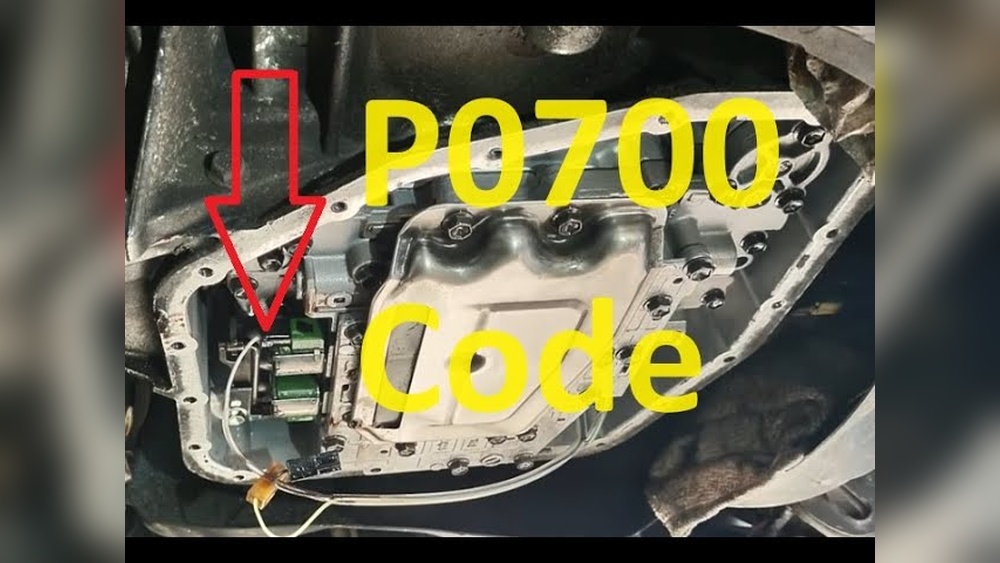
Symptoms Of P0700 Code
The P0700 code signals a transmission control system problem in your Jeep. Recognizing the symptoms early can help prevent bigger issues. This code mainly affects how your vehicle shifts and alerts you with warning lights. Understanding these signs is key to timely repair and safe driving.
Warning Lights
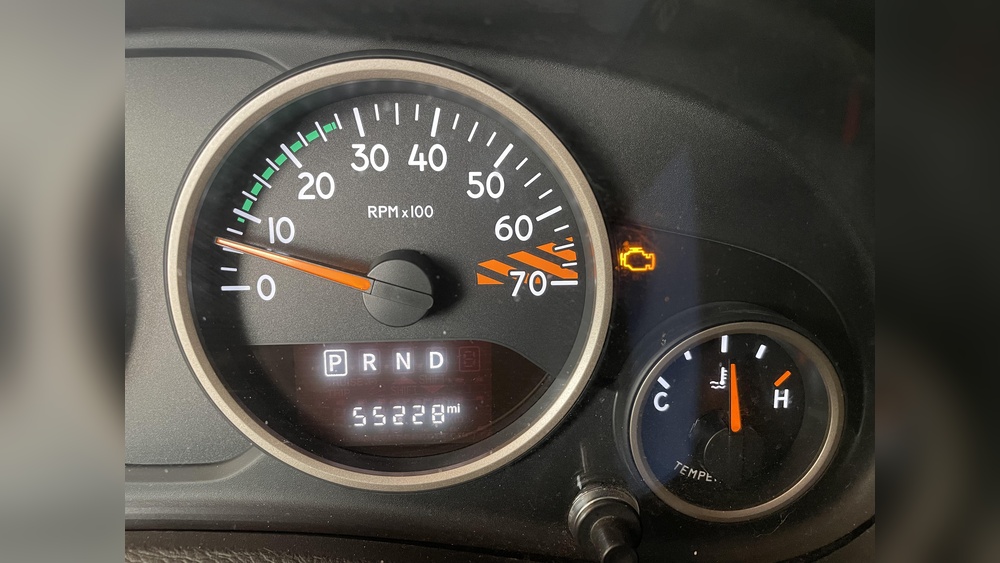
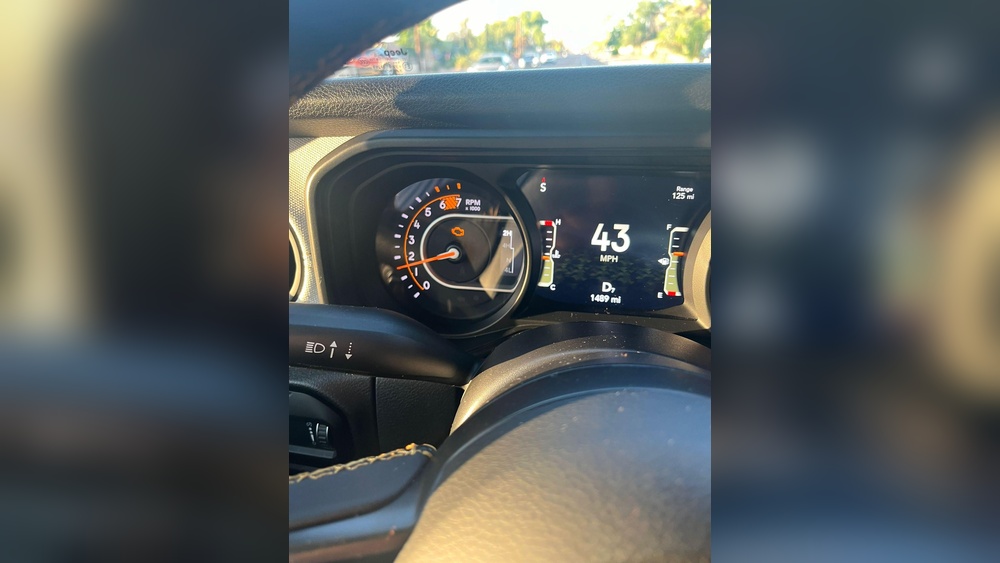
The Check Engine Light often comes on with the P0700 code. Sometimes, the Transmission Warning Light also illuminates. These lights warn that the Transmission Control Module has detected a fault. Ignoring these lights can lead to serious transmission damage. Always check for these warning signals when driving.
Shifting Problems
Shifting may become harsh, delayed, or erratic due to this code. You might feel the Jeep slipping out of gear or stuck in one gear. The vehicle could enter limp mode, limiting speed and gear changes. These issues reduce driving comfort and may cause unsafe conditions. Notice any odd shifting behavior and have it checked promptly.
Common Causes In Jeeps
The Jeep code P0700 signals a problem with the transmission system. This code means the Transmission Control Module (TCM) found an error. Several common causes lead to this code in Jeeps. Knowing these helps find the problem faster. Below are the frequent reasons behind the P0700 code in Jeep vehicles.
Low Or Contaminated Transmission Fluid
Transmission fluid plays a key role in shifting gears smoothly. Low fluid levels cause poor pressure and shifting problems. Contaminated fluid, dark or burnt, harms transmission parts. It often triggers the P0700 code. Regular fluid checks keep the transmission healthy. Changing fluid and filter can clear many issues.
Faulty Transmission Control Module
The TCM is the brain of the transmission system. It controls gear shifts using sensor data. A faulty TCM may have cracked solder joints or internal failures. This causes wrong signals and triggers the P0700 code. TCM issues need special diagnostic tools to confirm. Repair or replacement might be necessary.
Defective Sensors And Solenoids
Sensors and solenoids monitor and control transmission functions. Faulty output shaft speed sensors or transmission range sensors cause errors. Internal shift solenoids may stick or fail. These defects confuse the TCM and cause the P0700 code. Testing sensors and solenoids helps identify the faulty part. Replacing them restores proper function.
Wiring And Connector Issues
Wiring connects the transmission parts to the TCM. Damaged, corroded, or loose wires disrupt communication. Connectors may get dirty or loose over time. These wiring problems cause false signals and trigger the P0700 code. Inspecting and repairing wiring and connectors often solves the issue quickly.
Checking Transmission Fluid
Checking the transmission fluid is a key step in diagnosing Jeep Code P0700. The fluid affects how well the transmission shifts gears. Regular inspection helps spot problems early. Always check the fluid with the engine warm and running at idle. Use the dipstick if your Jeep has one. Look closely at the fluid’s color and level to find any issues.
Fluid Color And Level
Healthy transmission fluid is bright red or pink. This means it is clean and working well. Dark or brown fluid shows it is old or burnt. Low fluid level can cause shifting problems. Check the dipstick to see the fluid level. Add fluid if it is below the minimum mark. Use the type of fluid recommended in your Jeep’s manual.
Signs Of Contamination
Contaminated fluid looks cloudy or has particles. It may smell burnt or sour. Metal shavings or debris in the fluid mean internal damage. Dirty fluid can block valves and sensors. This leads to poor transmission performance and error codes. Changing the fluid and filter can fix contamination issues. Always replace with fresh fluid to keep your transmission healthy.
Inspecting Wiring And Connectors
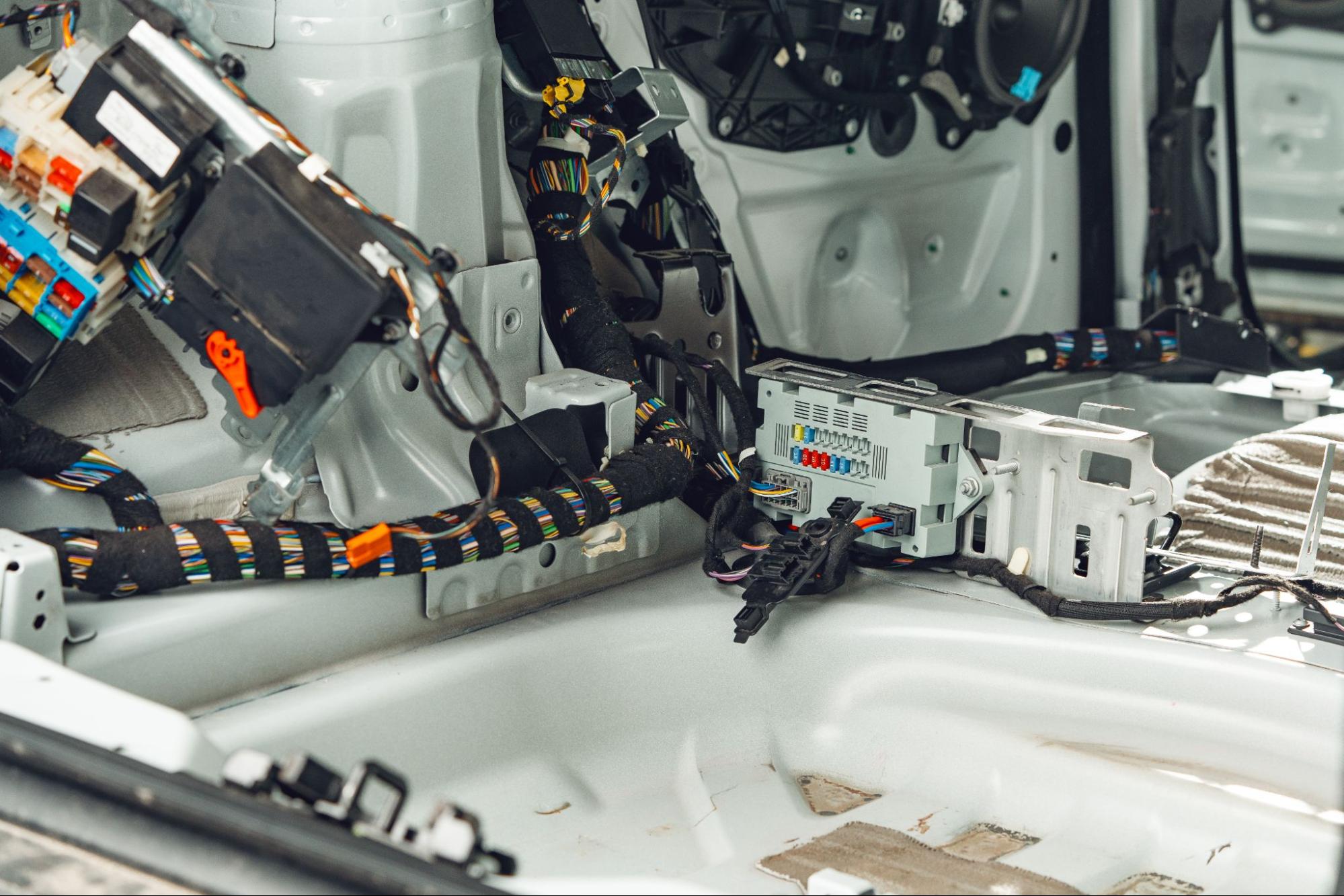
Inspecting the wiring and connectors is crucial when diagnosing Jeep Code P0700. This code often points to issues with the Transmission Control Module (TCM) signals. Faulty wires or dirty connectors can disrupt communication, causing the transmission to act strangely. Careful inspection helps identify hidden problems that simple fixes can solve.
Visual Wire Damage
Start by examining all wires near the transmission and TCM. Look for cuts, frays, or worn insulation. Damaged wires can cause shorts or open circuits. Check for signs of corrosion or burnt spots on the wiring. Bent or pinched wires may also interrupt signal flow. Pay attention to areas where wires bend or pass through tight spaces.
Cleaning Connectors
Dirty or corroded connectors can block electrical signals. Unplug the transmission wiring connectors carefully. Use electrical contact cleaner to remove dirt and corrosion. Avoid using water or harsh chemicals. Let the connectors dry fully before reconnecting. Secure all connectors firmly to prevent loose connections. Clean connectors often restore proper signal flow and clear the P0700 code.
Testing Transmission Components
Testing transmission components is essential when diagnosing Jeep Code P0700. This code signals a transmission control module issue. Checking key parts helps find the exact problem. Proper testing can prevent costly repairs and ensure smooth shifting.
Sensor Functionality
Transmission sensors monitor speed and gear position. The output shaft speed sensor is critical. It sends data to the transmission control module (TCM). Faulty sensors cause incorrect signals, triggering the P0700 code. Use a multimeter to test sensor resistance and voltage. Compare results to manufacturer specifications. Clean sensor connectors to avoid false readings. Replace any sensor that shows signs of damage or fails tests.
Solenoid Operation
Shift solenoids control fluid flow inside the transmission. They enable gear changes by opening and closing valves. Solenoids can stick or fail electrically. Test solenoids using an ohmmeter for proper resistance. Listen for clicking sounds when energized with power. Check wiring and connectors for corrosion or breaks. Replace solenoids that do not respond or have out-of-spec resistance. Proper solenoid function ensures smooth gear shifting and prevents error codes.

Simple Fixes To Try
When the Jeep code P0700 appears, it signals an issue with the transmission system. Some fixes are simple and can save time and money. Trying these easy steps may solve the problem quickly.
Fluid Top-up Or Change
Check the transmission fluid level first. Low fluid can cause shifting problems and trigger code P0700. Use the dipstick to see if the fluid is low or dirty. The fluid should be bright red and clean. If it is dark or smells burnt, replace the fluid. Topping up or changing the fluid often restores proper transmission function.
Resetting The Transmission Control Module
The Transmission Control Module (TCM) controls shifting patterns. Sometimes it needs a reset to clear errors. Disconnect the Jeep’s battery for about 15 minutes. This can reset the TCM and turn off the warning light. After reconnecting, start the engine and see if the code returns. A reset is a quick fix for minor glitches.
Repairing Wiring Issues
Wiring problems are common causes of code P0700. Inspect the wiring harness around the transmission for damage. Look for broken, frayed, or corroded wires and connectors. Clean any dirty connectors with electrical cleaner. Fix or replace damaged wires to restore proper communication between sensors and the TCM. Good wiring ensures accurate transmission signals.
When To Seek Professional Help
Knowing when to seek professional help for Jeep code P0700 is key to avoiding costly repairs. This code signals a transmission control issue that needs careful attention. Some problems may seem simple but can hide serious faults. Getting expert advice early can save time and money. Watch for signs that suggest the problem is beyond basic fixes.
Persistent Codes
Sometimes the P0700 code returns even after basic repairs. Persistent codes often mean a deeper problem with the transmission control module or wiring. Troubleshooting these issues requires special tools and knowledge. DIY fixes might only mask the real problem. A professional mechanic can perform detailed diagnostics to find the root cause. Ignoring persistent codes can lead to bigger transmission damage.
Complex Transmission Repairs
Transmission repairs can be complicated and require skill. Issues like solenoid failure, valve body problems, or torque converter faults need expert handling. Opening the transmission without experience can cause more harm than good. Professionals have the right equipment and parts to fix these issues properly. Complex repairs done right restore safe shifting and protect your Jeep’s longevity.
Preventing Future Transmission Issues
Preventing future transmission issues in your Jeep is essential for smooth driving and long vehicle life. Taking simple steps can avoid costly repairs. Focus on care and awareness to keep your transmission healthy. Here are key ways to protect your Jeep’s transmission from problems like the P0700 code.
Regular Maintenance
Follow the manufacturer’s maintenance schedule closely. Regular checks help catch problems early. Change transmission fluid and filter as recommended. This prevents dirt and grime buildup inside the transmission. Inspections allow mechanics to spot worn parts or leaks. Timely repairs reduce the risk of major failures.
Using Quality Fluids
Use only the right type of transmission fluid for your Jeep. High-quality fluids protect internal parts from wear and overheating. Cheap or wrong fluids can cause slipping and poor shifting. Fresh fluid ensures smooth gear changes and proper hydraulic pressure. Always check fluid levels and top off with the correct product.
Monitoring Warning Signs
Pay attention to your Jeep’s warning lights and driving behavior. The Check Engine or transmission light may signal early trouble. Notice any harsh or delayed gear shifts. Strange noises or slipping gears also indicate a problem. Early detection helps you fix issues before they worsen. Keep your vehicle’s performance steady by acting fast.
Frequently Asked Questions
How To Fix Transmission Code P0700?
To fix transmission code P0700, check and top off transmission fluid. Inspect and repair wiring or connectors. Test and replace faulty sensors or solenoids. Reset the Transmission Control Module if needed. Seek professional help if issues persist.
What Is The Most Common Reason For The Code P0700?
The most common reason for code P0700 is a transmission control module (TCM) malfunction. This often results from faulty sensors, low transmission fluid, or wiring issues.
Can I Still Drive With A P0700 Code?
You can drive with a P0700 code, but it may cause shifting issues or transmission damage. Have it checked promptly.
Does P0700 Always Mean A New Transmission?
P0700 signals a transmission control system fault, not always a new transmission. Issues may involve sensors, wiring, fluid, or the TCM.
Conclusion
The Jeep code P0700 signals a transmission issue needing attention. Check fluid levels and quality first. Inspect wiring and connectors for damage or corrosion. Faulty sensors or solenoids can also cause this code. Address problems early to avoid costly repairs later.
Regular maintenance helps keep your Jeep running smoothly. Stay alert to warning lights and unusual shifting behavior. Taking simple steps can prevent bigger transmission troubles. Keep your Jeep safe and reliable on the road.