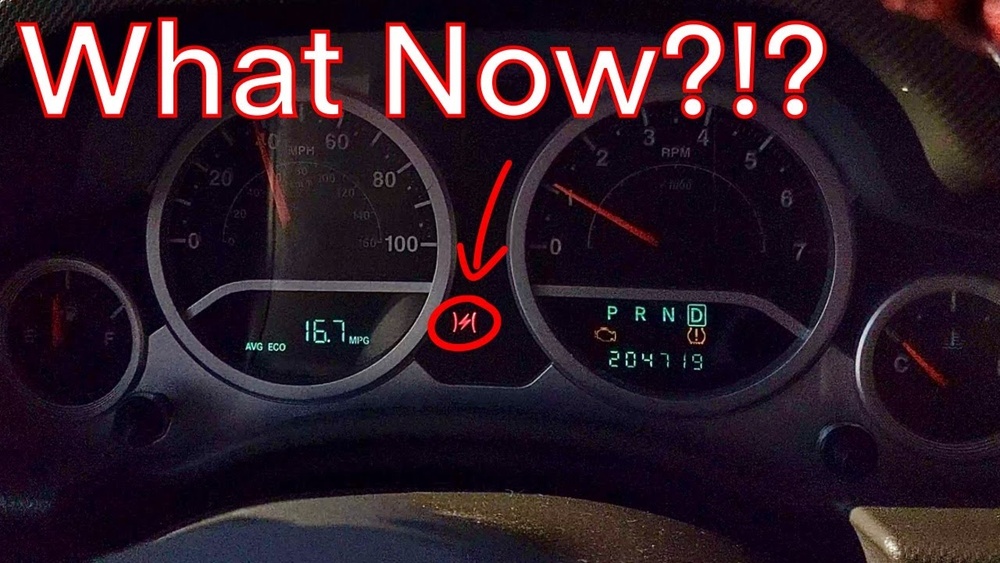
If you’ve seen the P000B code pop up on your Jeep’s dashboard, you’re probably wondering what it means and how it affects your ride. This code points to an issue with your engine’s camshaft timing, which can lead to performance problems if left unchecked.
But don’t worry—understanding what causes this trouble and how to fix it can save you time, money, and headaches down the road. You’ll learn exactly what the P000B Jeep code is, why it happens, and the simple steps you can take to get your Jeep running smoothly again.
Keep reading to take control of your Jeep’s health and avoid costly repairs.
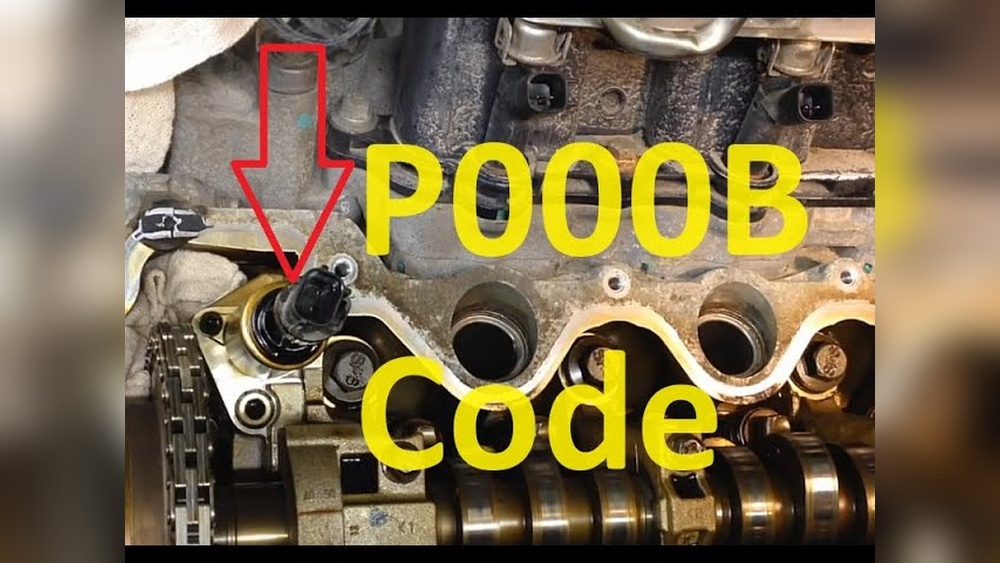
P000b Code Basics
The P000B code relates to your Jeep’s engine timing system. It signals a problem with camshaft position timing. This timing controls how the engine valves open and close. Precise timing is vital for smooth engine performance and fuel efficiency.
Understanding the P000B code helps you spot issues early. This code often points to the Variable Valve Timing (VVT) system. The VVT system adjusts the camshaft timing to optimize power and fuel use. If the timing is off, the engine runs poorly and may lose power.
What P000b Means
P000B means “Intake Camshaft Position Timing Over-Advanced or Retarded.” This means the camshaft is not in the position the engine’s computer expects. The camshaft controls the intake valves that let air into the engine cylinders. If the camshaft timing is off, the engine cannot run properly.
The engine’s computer uses sensors to monitor camshaft position. When the position is too far ahead or behind, it triggers the P000B code. This code helps mechanics find the timing problem quickly.
Symptoms To Watch For
Several symptoms may appear with the P000B code. The engine might feel rough or hesitate during acceleration. You could notice a drop in fuel efficiency. The check engine light usually comes on to warn you.
Other signs include engine misfires and reduced power. Sometimes, the engine may stall or be hard to start. These symptoms indicate the camshaft timing is incorrect. Addressing these issues early can prevent more serious engine damage.
Common Causes
The P000B code on a Jeep signals trouble with the camshaft timing system. This problem can cause poor engine performance and needs quick attention. Several factors can trigger this code. Understanding these common causes helps in spotting the issue early. The following sections describe typical reasons behind the P000B error.
Engine Oil Issues
Dirty or old engine oil can block the flow needed for camshaft timing. Low oil pressure reduces the hydraulic force that moves camshaft parts. Using the wrong oil thickness can also affect timing control. These oil problems stop the system from working as it should. Regular oil changes and using the correct oil grade are crucial.
Vvt Solenoid Problems
The Variable Valve Timing (VVT) solenoid controls oil flow to adjust camshaft timing. If it clogs or breaks, the timing cannot adjust properly. A stuck or failed solenoid causes the P000B code. Cleaning or replacing the solenoid often fixes the issue. This part is key for smooth engine timing changes.
Camshaft Phaser Failures
The camshaft phaser moves the camshaft to improve engine performance. When it sticks or fails, the camshaft timing goes off. This failure can trigger the P000B code. Worn phasers may need repair or replacement. Proper phaser function keeps the engine running efficiently.
Oil System Checks
Performing regular oil system checks is vital for your Jeep’s engine health. These checks help spot issues early and keep the engine running smoothly. The oil system ensures proper lubrication, cooling, and cleaning of engine parts. Neglecting it can cause serious engine damage and costly repairs.
Checking Oil Level And Quality
Start by checking the oil level using the dipstick. Pull it out, wipe clean, then reinsert fully. Pull it out again to see the oil level. It should be between the minimum and maximum marks. Check the oil color and consistency. Clean oil is amber and smooth. Dark or gritty oil needs to be changed.
Oil Pressure Testing
Oil pressure affects how well the oil flows through the engine. Low pressure can cause poor lubrication and engine wear. Use an oil pressure gauge to test the pressure. Connect it to the oil gallery and run the engine. Compare readings to the Jeep’s service manual specs. Low readings may indicate a faulty oil pump or clogged filter.
Choosing The Right Oil Viscosity
Selecting the correct oil viscosity is crucial for engine performance. Viscosity means how thick or thin the oil is. Use the oil grade recommended in your Jeep’s owner manual. Thicker oil may not flow well in cold weather. Thinner oil might not protect well in high heat. The right viscosity ensures proper lubrication and engine protection.
Inspecting Vvt Components
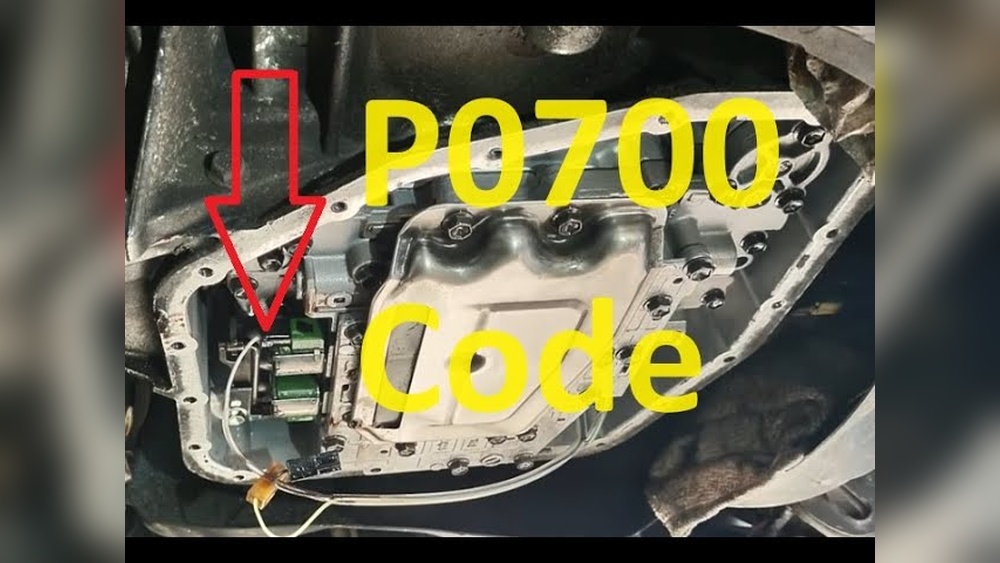
The P000B code on a Jeep points to an issue with the Variable Valve Timing (VVT) system. Inspecting the VVT components is key to fixing this problem. This system controls the timing of the engine valves. Proper timing improves engine performance and fuel efficiency. Faulty VVT parts can cause rough running or reduced power.
Checking these components involves testing the VVT solenoid and managing the oil control valve. Both parts work together to adjust the camshaft timing. Understanding how to test and clean or replace these parts helps solve the P000B code.
Testing The Vvt Solenoid
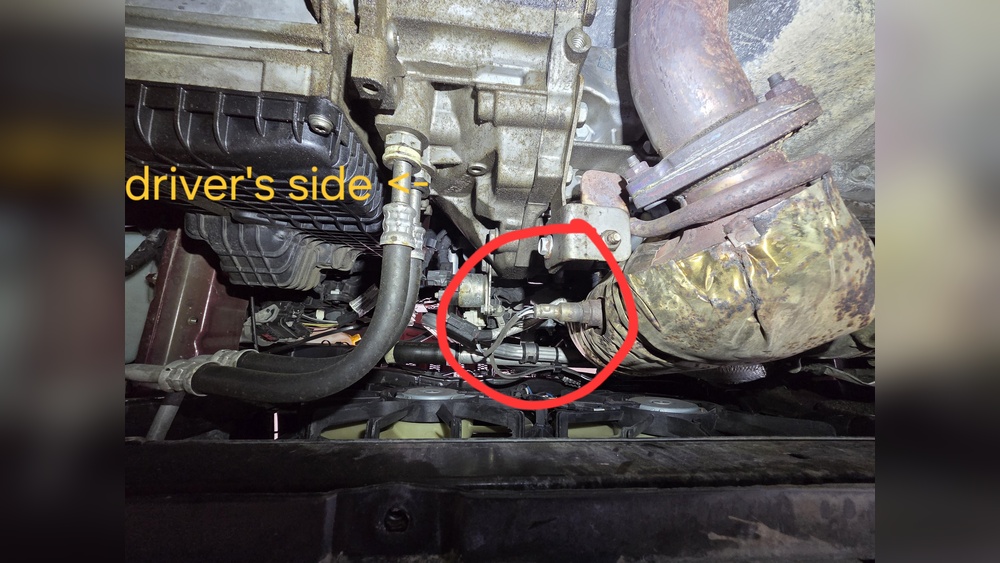
The VVT solenoid controls oil flow to the camshaft phaser. Start by locating the solenoid on the engine. Disconnect the electrical connector to check for damage or corrosion. Use a multimeter to test the solenoid’s resistance. A reading outside the manufacturer’s range means the solenoid may be bad. You can also apply power to the solenoid and listen for a clicking sound. No sound means the solenoid might be stuck or failed.
Cleaning Or Replacing The Oil Control Valve
The oil control valve, also called the VVT solenoid, can get clogged with dirty oil or debris. Remove the valve carefully and inspect it for dirt buildup. Soak the valve in a suitable cleaner to remove sludge. Clean the valve screen with a soft brush if needed. If cleaning does not restore function, replace the valve with a new one. Always use the correct oil type to prevent future clogging.
Camshaft Phaser And Timing
The camshaft phaser and timing play a crucial role in your Jeep’s engine performance. The camshaft phaser adjusts the timing of the camshaft to optimize engine power and efficiency. Proper timing ensures the valves open and close at the right moments during the engine cycle.
When the camshaft phaser malfunctions, the engine may run rough or lose power. Timing issues can trigger the P000B code, indicating a mismatch between the camshaft position and the engine’s control module settings. Understanding these components helps in diagnosing and fixing the problem quickly.
Diagnosing Phaser Issues
Start by checking for symptoms like rough idling or poor acceleration. Listen for unusual noises from the engine. Use a scan tool to read trouble codes and live data. Watch for erratic camshaft position readings. Inspect the camshaft phaser for physical damage or wear. A stuck or failing phaser can cause timing errors and trigger the P000B code.
Examining The Timing Chain Assembly
Inspect the timing chain for signs of stretching or damage. A loose or worn chain can cause timing to slip. Check the camshaft and crankshaft sprockets for wear or damage. Verify the timing chain guides and tensioners are intact and properly positioned. Faulty components can lead to incorrect camshaft timing and engine issues.
Timing Chain Tension And Wear
The timing chain tensioner keeps the chain tight during engine operation. A weak or failing tensioner lets the chain slacken. Slack in the chain causes timing to jump and engine performance loss. Regularly check the tensioner and chain for wear signs. Replace worn parts to maintain precise camshaft timing and avoid P000B errors.
Diagnostic Tools And Techniques
Diagnosing the P000B code in your Jeep requires the right tools and clear techniques. Accurate diagnosis saves time and money. Using proper methods helps identify the root cause quickly. This section covers common diagnostic tools and step-by-step techniques.
Using An Obd-ii Scanner
An OBD-II scanner reads error codes from your Jeep’s computer. Connect the scanner to the vehicle’s port, usually under the dashboard. Turn the ignition on without starting the engine. The scanner will display stored codes, including P000B.
This tool shows live data from sensors related to camshaft timing. You can monitor engine oil pressure and camshaft position values. The scanner helps confirm if the issue is consistent or intermittent. Clear the codes after repairs and test drive to verify the fix.
Performing A Camshaft Position Sensor Test
Testing the camshaft position sensor pinpoints if it causes the P000B code. First, locate the sensor near the camshaft. Use a digital multimeter to check sensor resistance and voltage.
Inspect the sensor connector and wiring for damage or corrosion. A faulty sensor may send incorrect signals to the engine control module. Replace the sensor if readings are out of the normal range. Reinstall and clear error codes before retesting the engine.
Repair And Replacement Tips
Repair and replacement are key for fixing the P000B Jeep code. Understanding how to handle parts can save time and money. This guide breaks down important steps to repair or replace components properly.
Replacing The Vvt Solenoid
The VVT solenoid controls oil flow to adjust camshaft timing. Start by disconnecting the battery to avoid shorts. Locate the solenoid on the engine and remove the electrical connector. Unscrew the mounting bolts carefully. Remove the old solenoid and clean the area before installing the new one. Tighten bolts to the correct torque. Reconnect the electrical plug and battery. Run the engine to check for proper operation and no warning lights.
Camshaft Phaser Replacement Advice
The camshaft phaser adjusts the camshaft position for better performance. Begin by removing the timing cover to access the phaser. Align the engine to top dead center to avoid timing errors. Remove the phaser bolts slowly and keep track of their order. Inspect the phaser for wear or damage. Install the new phaser in the exact position as the old one. Reassemble the timing cover and check the timing marks. Always use a service manual for torque specifications and procedures.
Timing Chain Repair Guidelines
The timing chain links the crankshaft and camshaft for synchronized motion. Inspect the chain for stretch or damage. Replace the chain if it is loose or noisy. Remove the timing cover and carefully release chain tension. Replace the timing chain tensioner and guides if worn. Install the new chain, aligning all timing marks perfectly. Reassemble all parts and double-check timing before starting the engine. Proper timing chain repair prevents engine misfires and code recurrence.

Preventative Maintenance
Preventative maintenance plays a key role in keeping your P000B Jeep running smoothly. It helps avoid costly repairs and extends the vehicle’s life. Simple care steps keep the engine and timing systems healthy. This section covers essential maintenance tips to protect your Jeep’s performance and reliability.
Regular Oil Changes
Clean oil is vital for the engine’s health. Old or dirty oil can clog parts and lower pressure. Change the oil at the intervals recommended in your Jeep’s manual. Use the correct oil type and viscosity to ensure proper lubrication. Fresh oil supports the Variable Valve Timing (VVT) system and prevents code P000B errors.
Routine Vvt System Inspections
The VVT system controls camshaft timing for better engine efficiency. Check the VVT solenoid and actuator regularly for clogs or wear. Dirty oil can cause the solenoid to stick. Inspect wiring and connectors for damage. Early detection of VVT issues helps avoid engine timing problems and costly fixes.
Keeping Timing Components In Check
Timing chains and camshaft phasers must stay tight and aligned. Loose or worn parts cause incorrect camshaft positioning. Inspect timing components for wear or damage during service visits. Replace parts as needed to maintain proper timing. Well-maintained timing components prevent P000B trouble codes and engine misfires.
When To Seek Professional Help
Knowing when to seek professional help for the P000B Jeep code is important. Some engine issues are simple, but others need expert care. Ignoring serious problems can lead to costly repairs. Early diagnosis by a qualified mechanic saves time and money.
Signs Of Complex Engine Issues
The P000B code often relates to camshaft timing problems. Notice these signs: engine runs rough, loss of power, or poor fuel economy. Loud noises from the engine can also indicate trouble. Warning lights on the dashboard should never be ignored. These symptoms suggest deeper mechanical faults. Attempting fixes without proper tools can worsen damage.
Finding A Qualified Jeep Mechanic
Choose a mechanic with Jeep experience and good reviews. Certified technicians understand the P000B code well. Ask if they use advanced diagnostic tools for engine timing issues. Look for shops that offer warranty on repairs. Clear communication about the problem is crucial. Trust mechanics who explain the repair process simply. Their expertise ensures the Jeep runs smoothly again.
Frequently Asked Questions
How Do I Fix A P000b Code?
Fix a P000B code by checking engine oil quality and pressure. Clean or replace the VVT solenoid. Inspect and repair or replace the camshaft phaser and timing chain if needed.
Can I Drive With A P000b Code?
Driving with a P000B code is not recommended. It indicates camshaft timing issues that may cause engine damage. Have a mechanic diagnose and fix the problem promptly to avoid further damage and ensure safe driving.
Can A Bad Ecm Cause A P000b Code?
Yes, a bad ECM can cause a P000B code by mismanaging camshaft timing signals. It may trigger incorrect camshaft position readings.
What Does P000b Mean?
P000B means the intake camshaft position timing is over-advanced or retarded. It often indicates issues with the VVT system, oil quality, or camshaft phaser.
Conclusion
The P000B code signals an issue with your Jeep’s camshaft timing. Check the engine oil and VVT solenoid first. Dirty oil or a clogged valve often causes this problem. Fixing it early can prevent engine damage. Regular maintenance helps keep your Jeep running smoothly.
Stay aware of warning signs to avoid costly repairs. Taking simple steps saves time and money in the long run. Your Jeep deserves good care for better performance and reliability.